
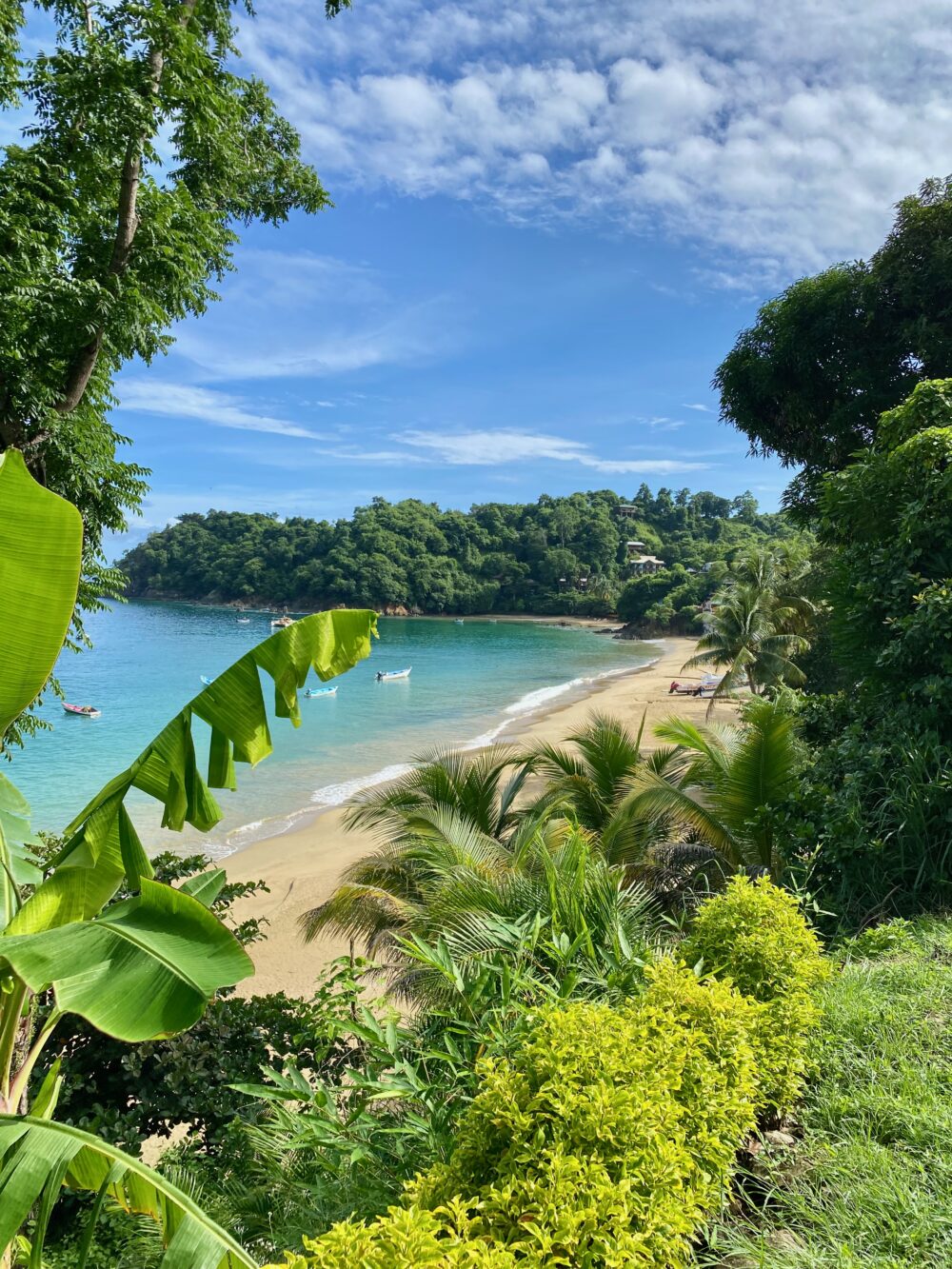
Surrounded by the waters of both the Caribbean and Atlantic Oceans, Tobago offers visitors an idyllic local island escape. I’d say Tobago is easily one of the most beautiful places I have visited. Its interior landscape consists of thick jungle and crashing waterfalls, and its perimeter is fringed with uncrowded tropical beaches. Tobago is a Caribbean island where culture and tradition remain at the heart of daily life, and its easy to get involved with island activities, even as a tourist! So read on more for my Tobago island guide!
History and background of Tobago
The tiny island of Tobago stands out in the Caribbean for its distinctive and colourful history.
Tobago was originally called ‘Tavaco’ by its First People indigenous Tribes, after the long stemmed pipe used to smoke tobacco. When the Europeans arrived, starting with Christopher Columbus in 1498, the island’s wealth of natural resources made Tobago highly sought after. Over around 250 years, European powers fought over ownership, including the Spanish, British, Latvians, French and the Dutch. In fact, no other island in the West Indies has seen such intense powers as Tobago, with hands changing over 30 times.
In the 1700s, huge numbers of African slaves were brought to the island to engage in forced work within the island’s tobacco, cotton and sugar cane industries. As such, large numbers of Tobago’s population today can trace their own heritage back to specific tribes in West Africa, especially in Ghana.
In 1889, Tobago merged with Trinidad, creating a new twin-island nation, Trinidad & Tobago. In 1962, T&T gained independence from Britain.
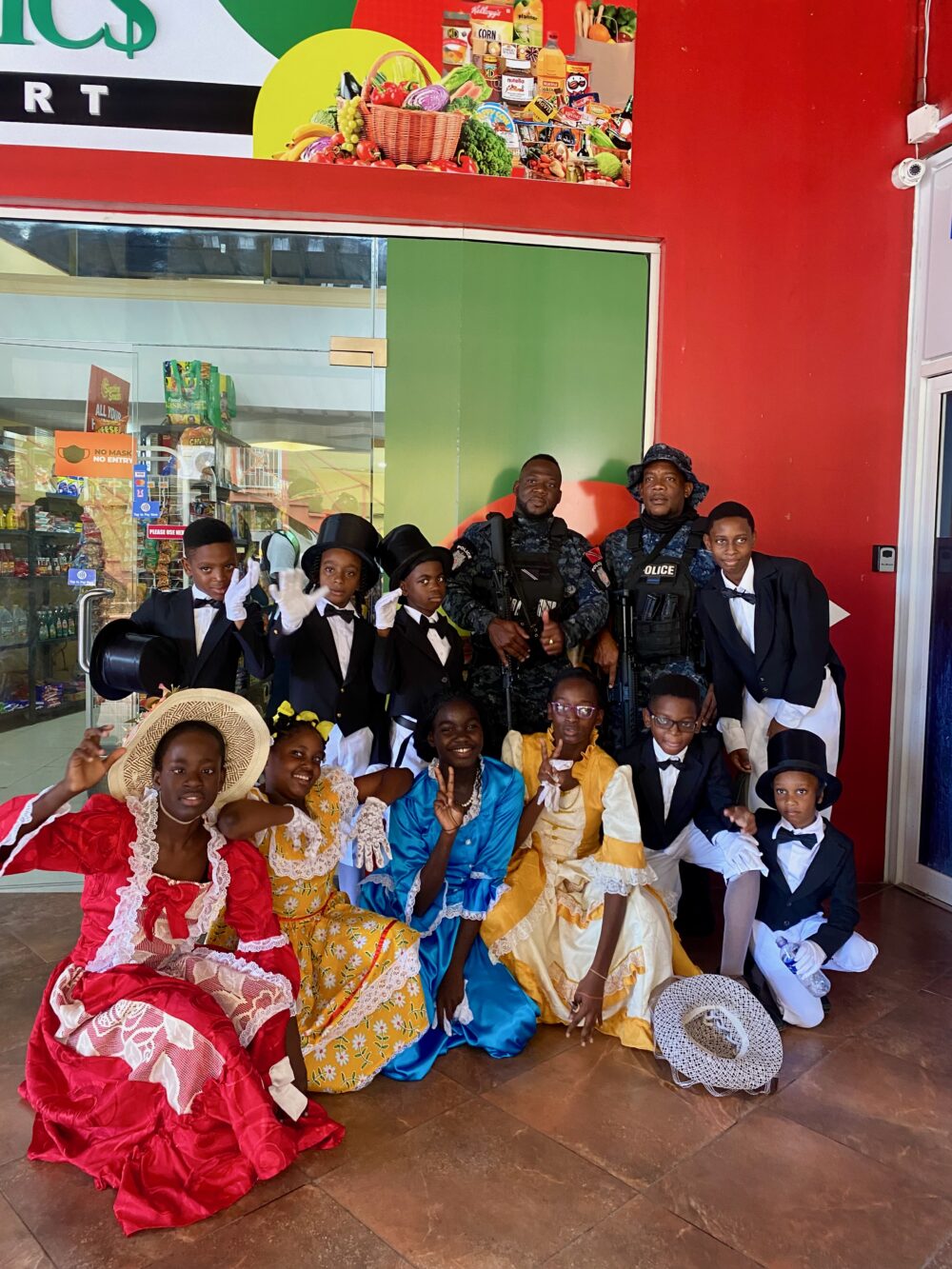
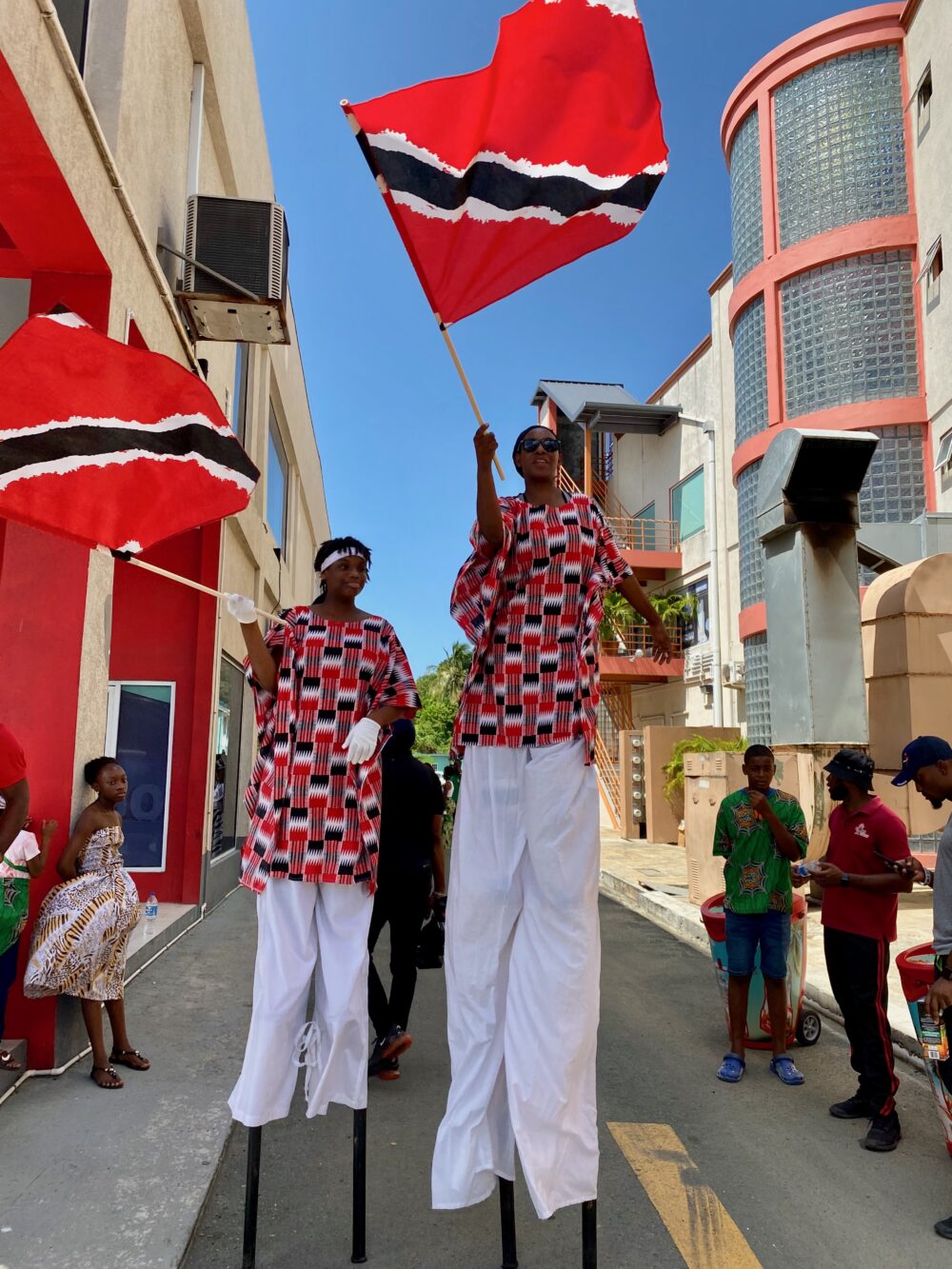
Today, this rich history and multi-cultural background has led to Tobago becoming one of the most vibrant and diverse islands in the Caribbean.
Tobago Travel Guide: Useful Information
Tobago visas and entry information
US and British citizens do not need visas for visits up to 90 days. As of March 2026, all travellers to Tobago must now submit an online Arrival/Departure Card within 72 hours of arrival. The key requirements include a passport with validity for six months beyond entry, a return ticket, and proof of funds.
How to get to Tobago?
Tobago is a tiny island located just above its nation sibling, Trinidad. The two islands sit at the very bottom of the Caribbean island chain, just near Venezuela.
The main way to arrive in Tobago from overseas destinations is by air. There are currently direct flights from London Gatwick on British Airways (twice weekly), with a brief stop in St Lucia. From the US, there are weekly direct flights from New York’s JFK and a seasonal flight from Frankfurt, Germany to Tobago. There is also a regular connection from Barbados to Tobago with Caribbean Airlines.
From Trinidad, the quickest way to get to Tobago is on a 25 min flight, with regular departures throughout the day. There are more direct flights into Trinidad from overseas places, so it can make an easy connection.
Alternatively, there is the inter-island ferry service, with regular daily services by high speed catamaran.
How to get around Tobago?
Tobago is a small island (just 120sq miles). You can easily drive from the south to the north of the island in around 1hr 30 or so.
You can either explore the island on your own steam by renting a car or a bike, or by taxi. There is a maxi-taxi service too (in small minibuses) which spans the island, but can be quite infrequent.
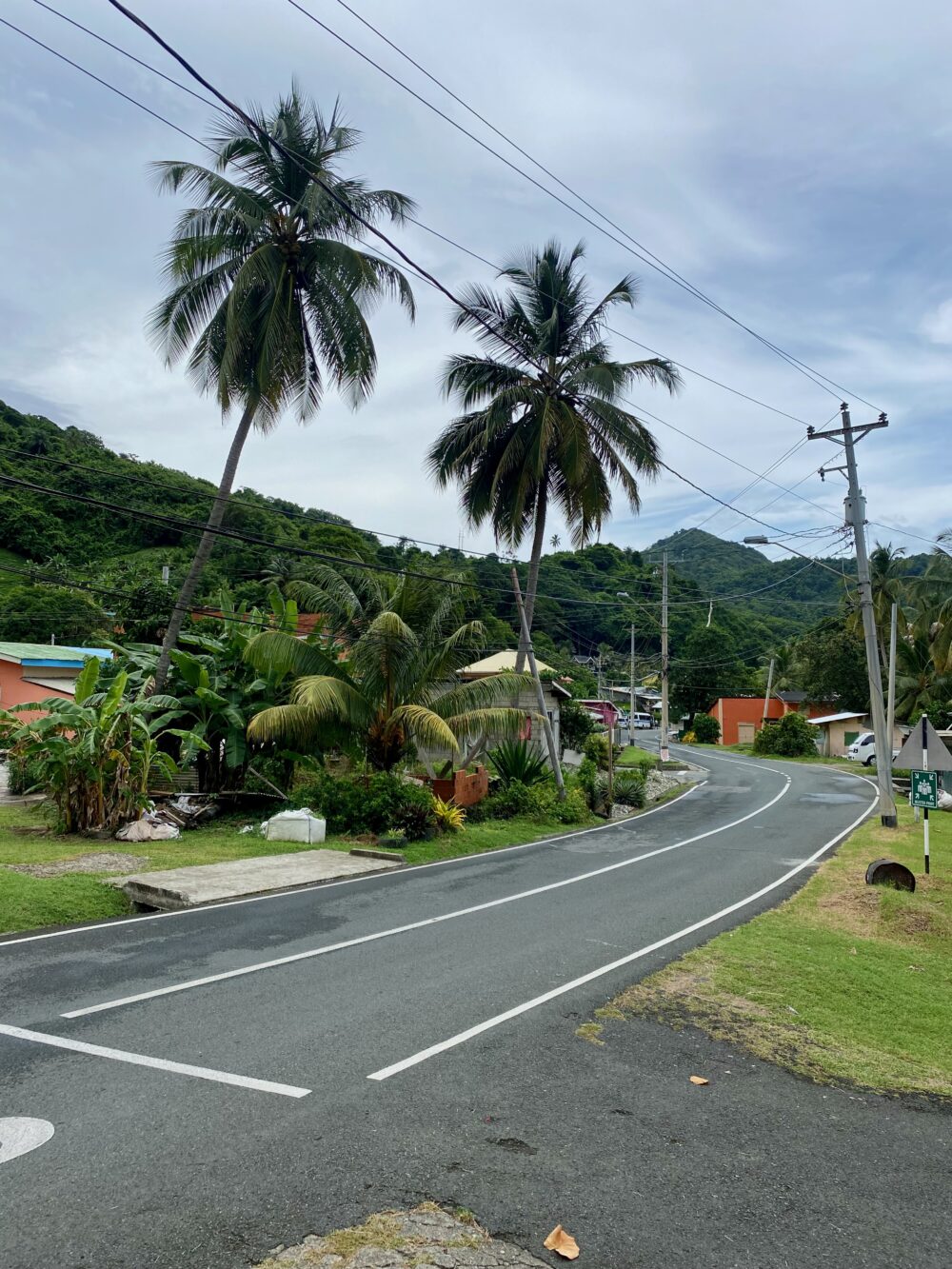
If you do rent your own car, you’ll be driving on the left (like in the UK). Make sure to be ready for some drives with hairpin turns and potholes! There are several petrol stations dotted across the island as well as by the airport.
Taking a taxi can be a great option if you don’t want to drive, and their license plate has a H if they’re available for hire. You can either arrange them to come to your hotel or flag them down on the street.
Finally, you can use a local tour operator such as TTT Excursions or arrange a full island day tour with a local operator here (from £113 per person).
When is the best time to go to Tobago?
The best time of year to visit Tobago is during the dry season which spans from January to May. This is also the busiest time to visit but offers the best conditions for hiking, diving and beaching. Daily temperatures will be around 28°C-30°C.
It is quieter and cheaper to visit from June to November, and the weather is still pretty delightful. I’ve been in July and had fantastic weather for a week!
Tobago sits south of the hurricane belt, so the island isn’t prone to tropical storms, but the highest risk is from June to November.
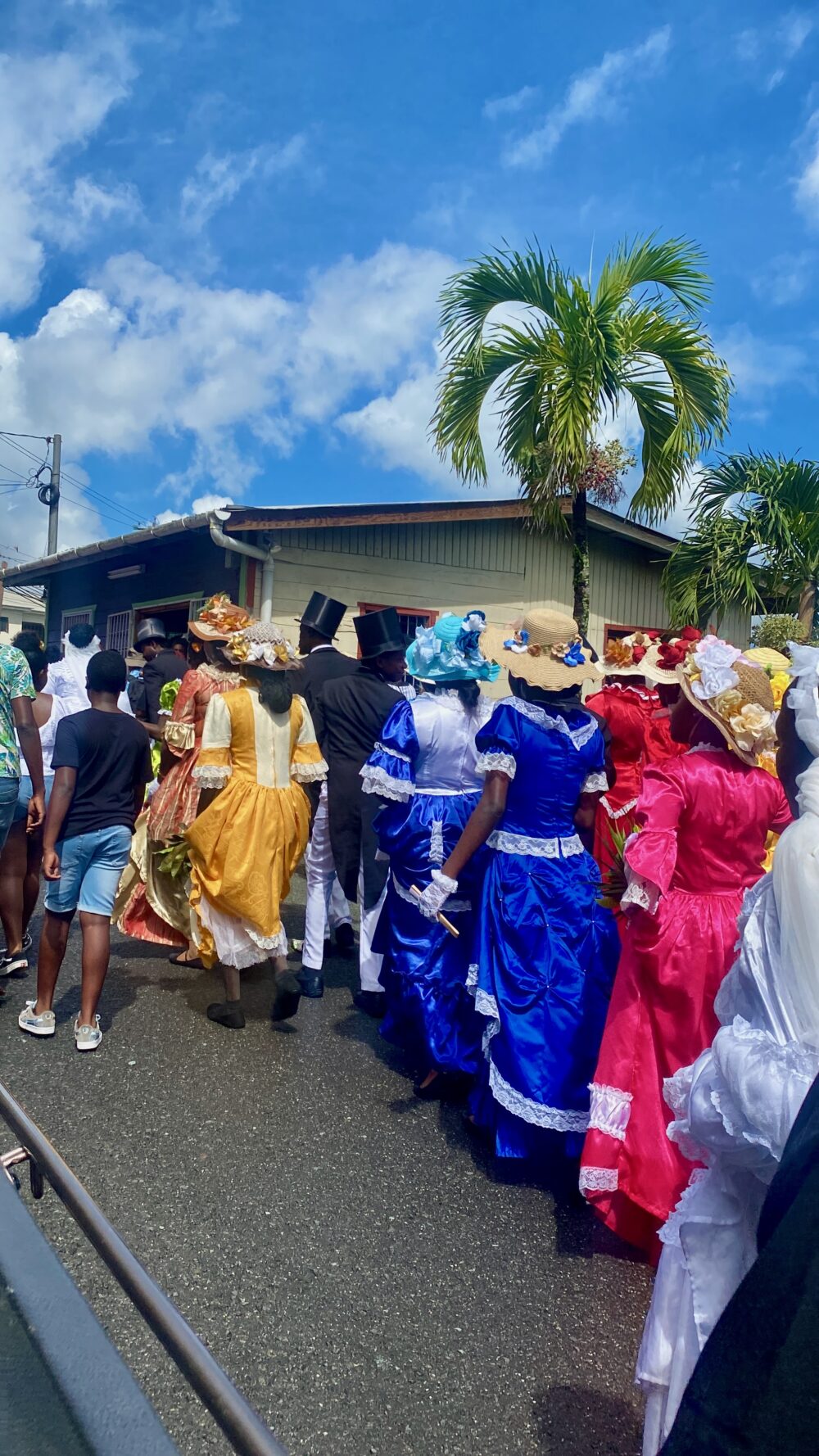
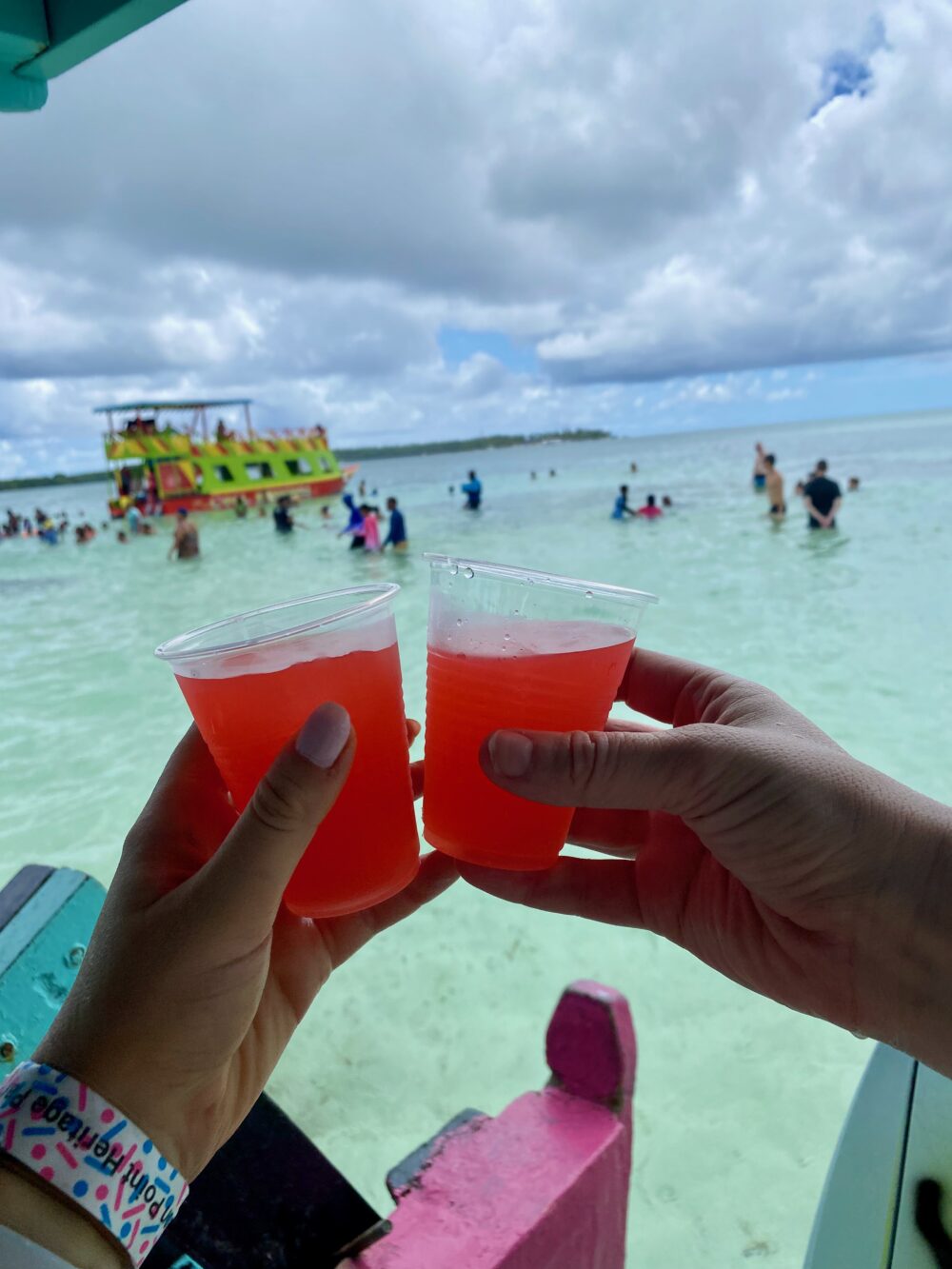
In terms of visiting around major events, there is the Trinidad and Tobago Carnival (in early February each year) and the Tobago Carnival (in late October each year). I’ve visited for Tobago’s Heritage Festival, which is late July/early August and had an incredible experience.

Currency and language
The currency in Trinidad and Tobago is the TTD. TTD$1 = around 10p or USD 0.14. Or TTD$10 = £1 or just under USD 1.50. Cash is still widely used but you will also find a lot of hotels, activities and restaurants will take cards.
What to eat in Tobago, and where?
Tobago’s cuisine is a reflection of a variety of rich influences, including Caribbean, Indian, African and Creole.
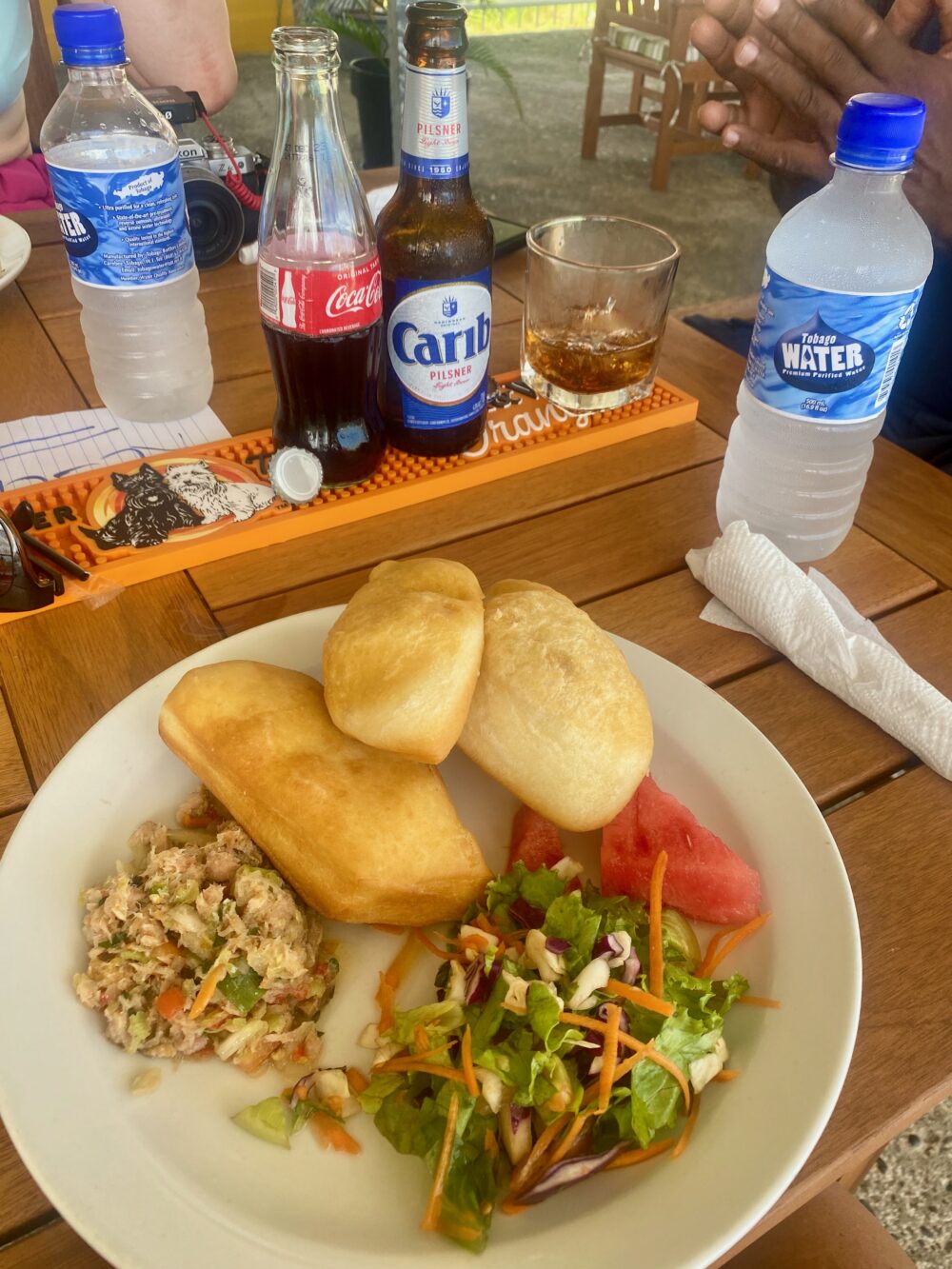
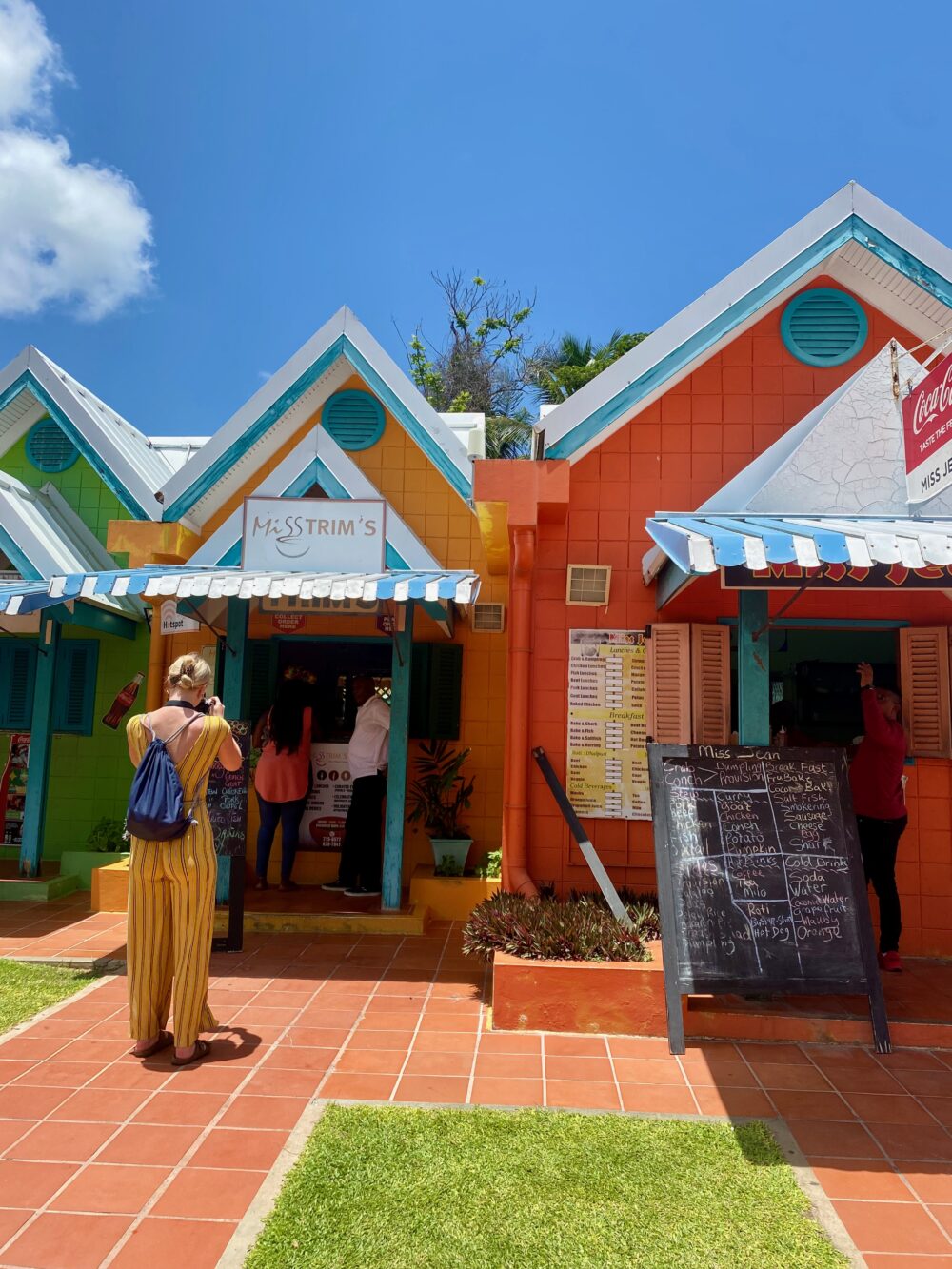
The national dish, as such, is curried crab and dumplings, with Ms Trim’s stall in Store Bay being the place to sample the dish. Another key dish is bake and shark, which is fried bread stuffed with fried shark meat and spiced sauces.
From curried pumpkin in roti, to Doubles ‘chana’ (curried chickpeas) sandwiched between two ‘bara’ (lightly fried bread), Tobago’s culinary scene defies the usual stereotypes of Caribbean cuisine.
Across the island is a great array of family-run restaurants and cafes. But some of the best food can be found at the small shacks or street food stands. In terms of value for money, prices on the island are on the lower side of reasonable.
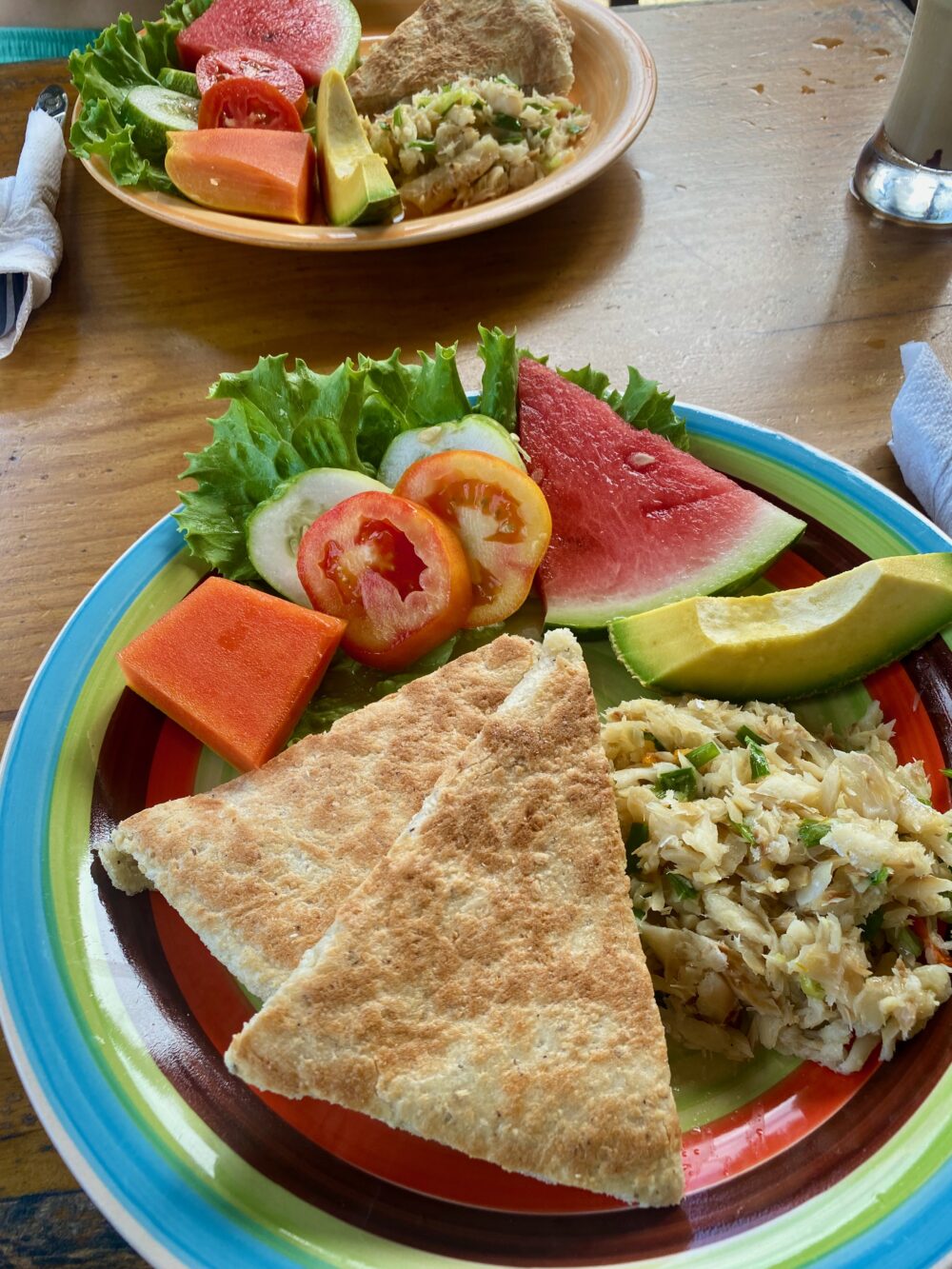
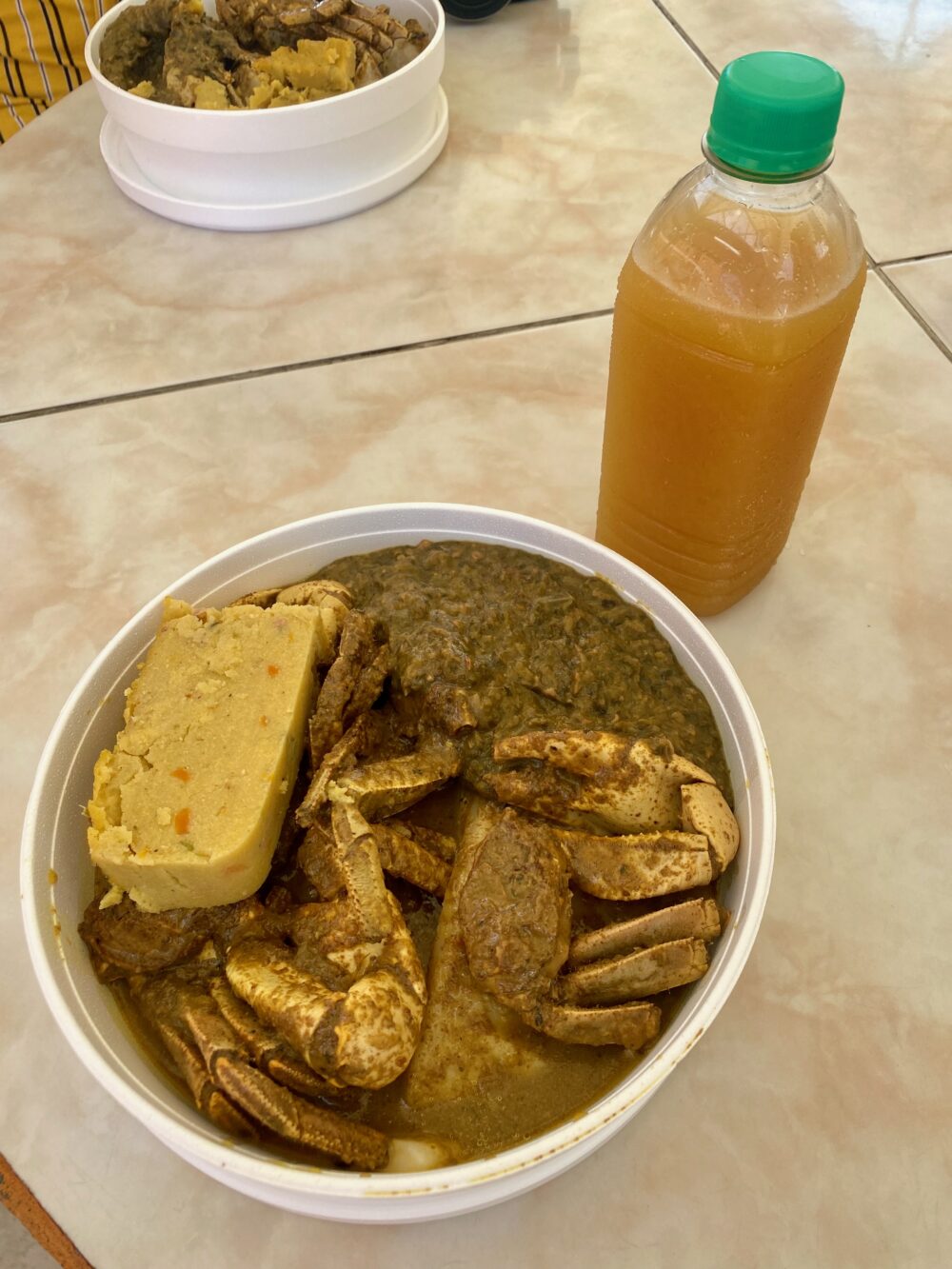
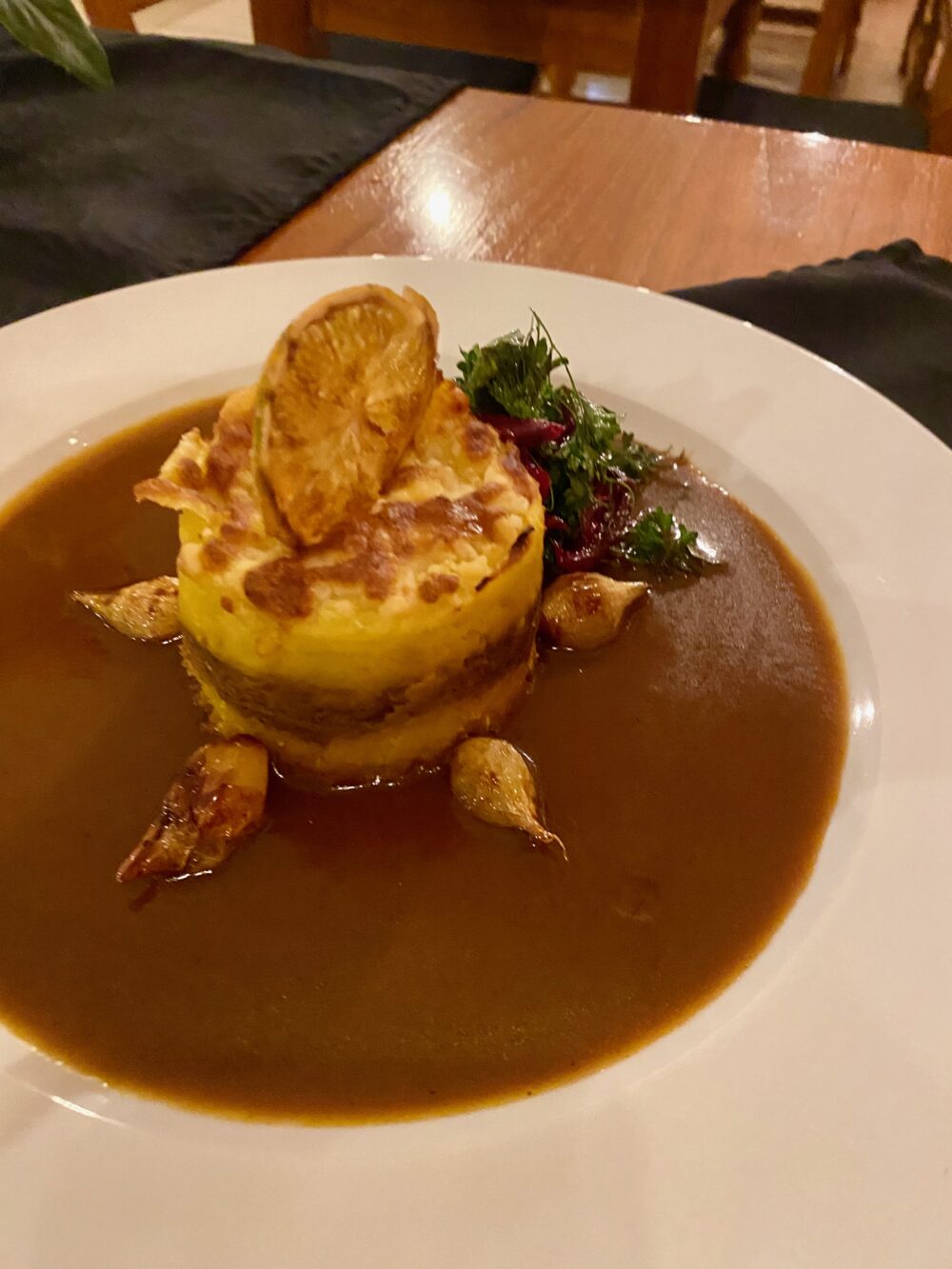
Some of the best spots to eat include:
- The Blue Crab is run by Ken and Alison Sardinha who have been married for 52 years. The Sardinhas see good, healthy, subtly-flavoured Tobagonian food as key to life lived well. The Blue Crab serves real Tobagonian food – blue crab cakes, coal pot chicken and crab chowder are some of the most popular dishes on the menu.
- Jemma’s Seaview Kitchen offers a simple but delicious menu – crunchy Tania fritters, catch of the day and shrimp chicken/ lobster are all recommended.
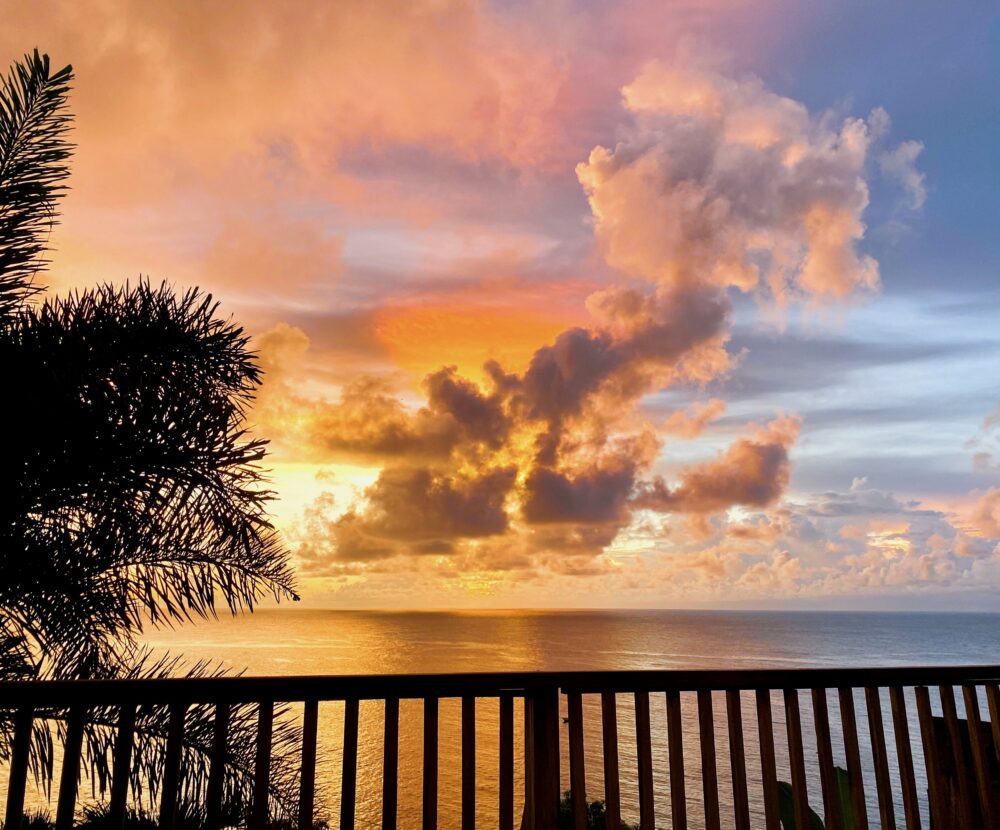
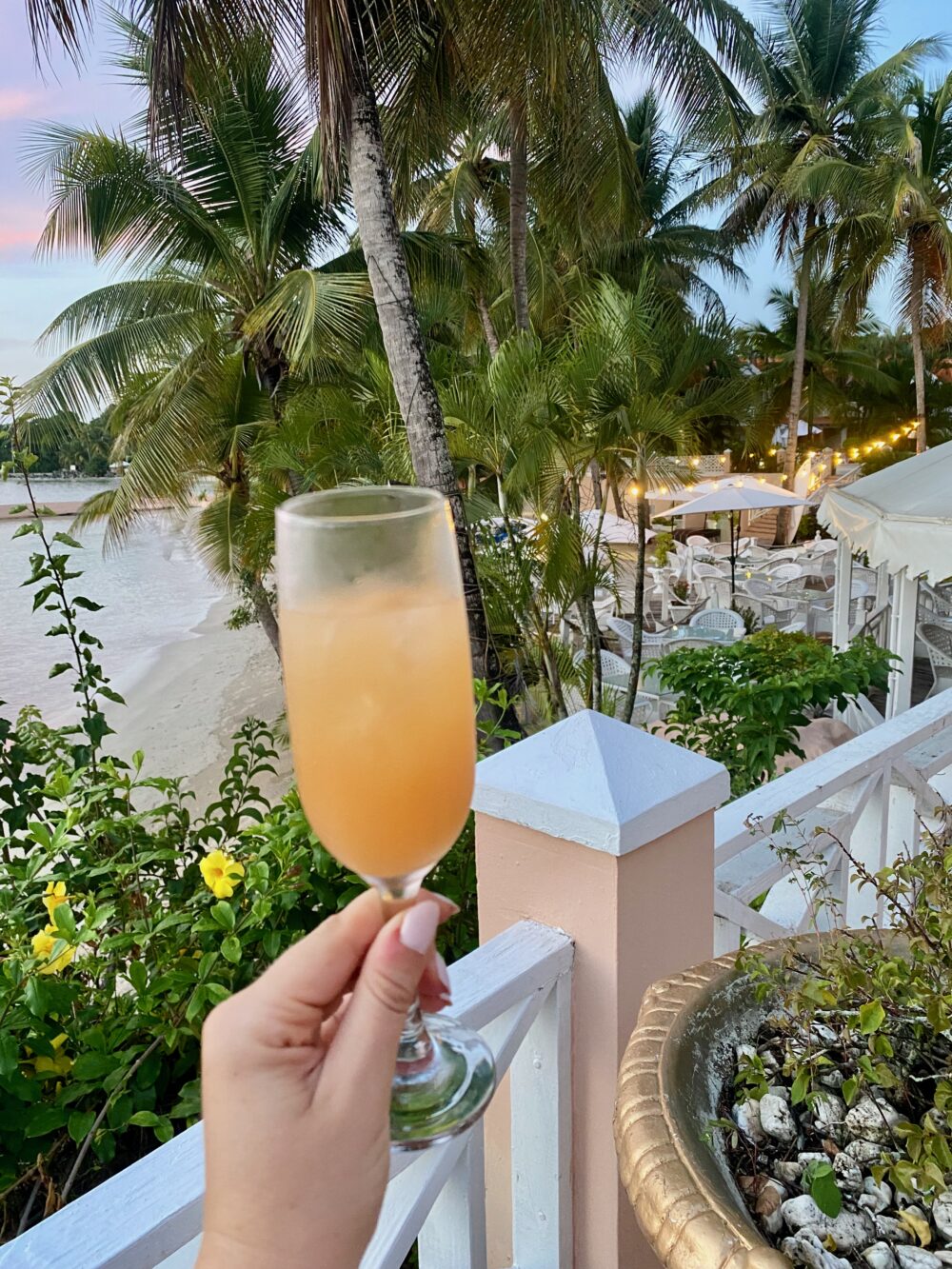
- Waves offers unrivalled views and the perfect spot for a sundowner. The new menu specialises in seafood, steak and freshly made salads.
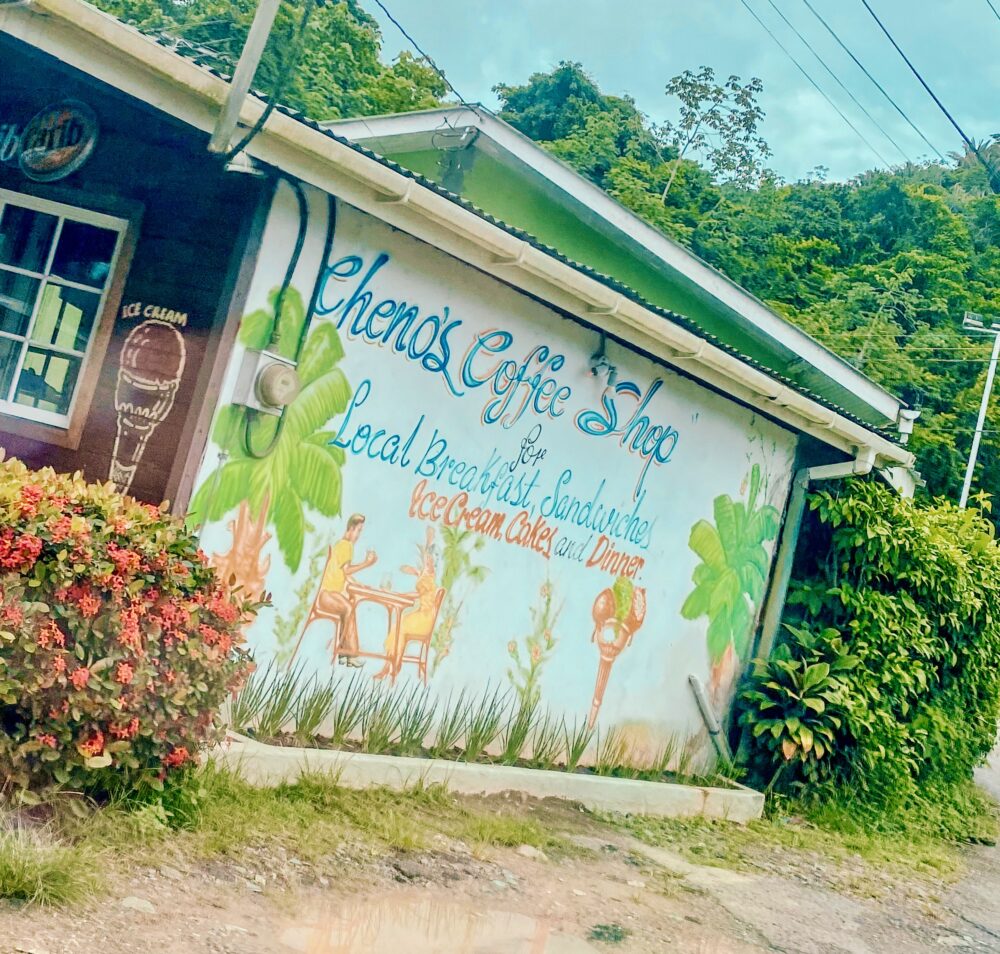
- Cheno’s Coffee Shop in Castara for delicious local breakfast items.
Liming is the concept of social drinking and ‘to lime’ simply means to gather or hang out. The main nightlife areas are in Crown Point (try Jade Monkey or Shades Nightclub). Alternatively, for a more laidback vibe, try Boatview Beach Bar in Castara.
Lastly, Tobago is where cocoa is grown for some of the world’s best chocolate! One place to visit is the Tobago Cocoa Estate to explore its plantation. You can also sample tasters of the cocoa pod as the start of its journey.
Best Things to Do in Tobago
Watersports
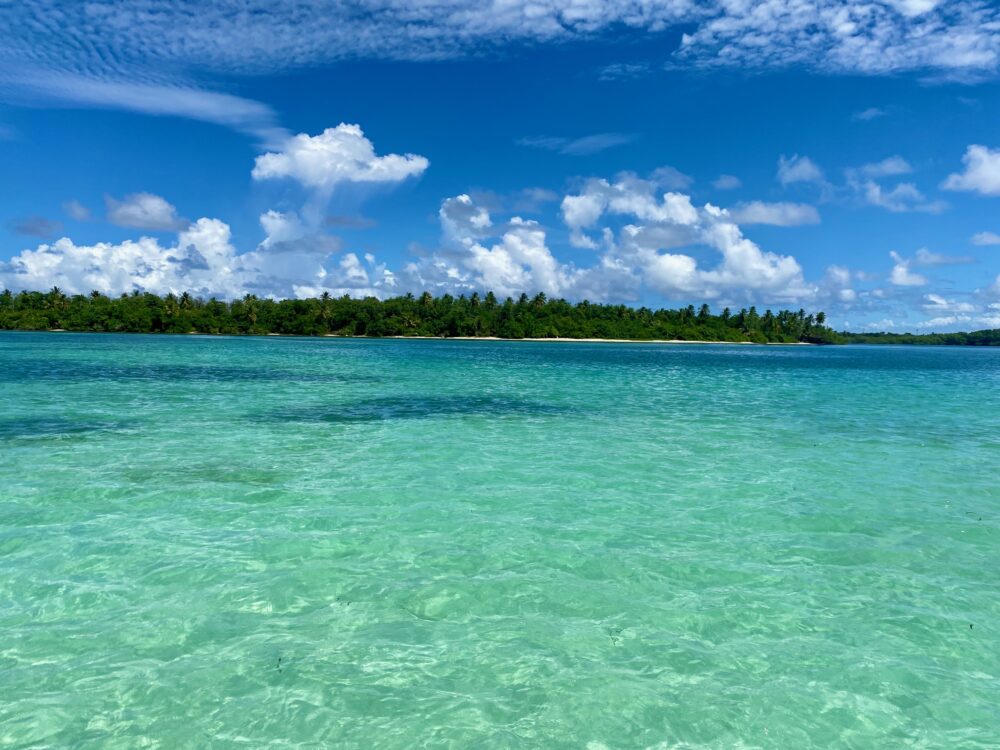
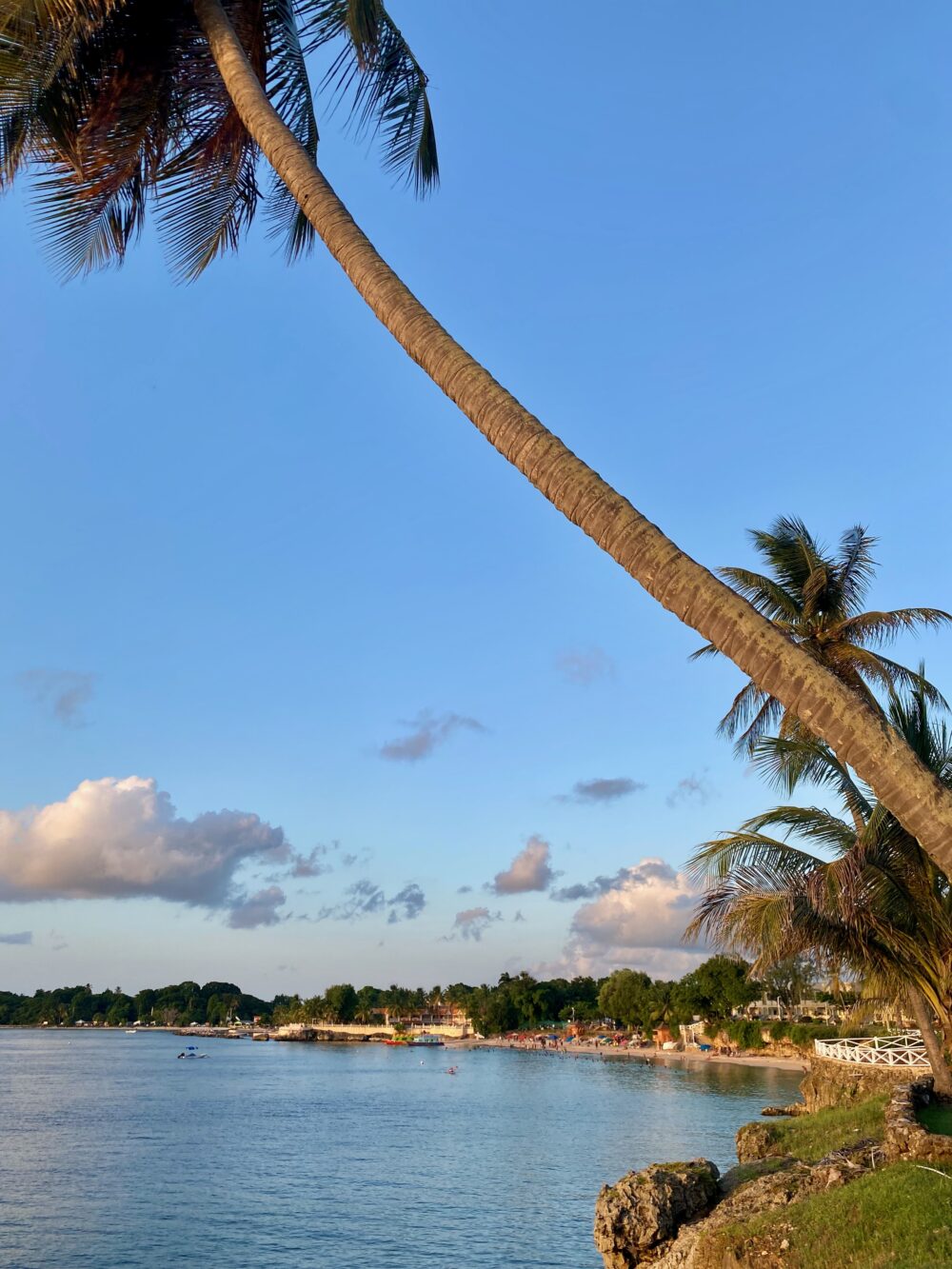
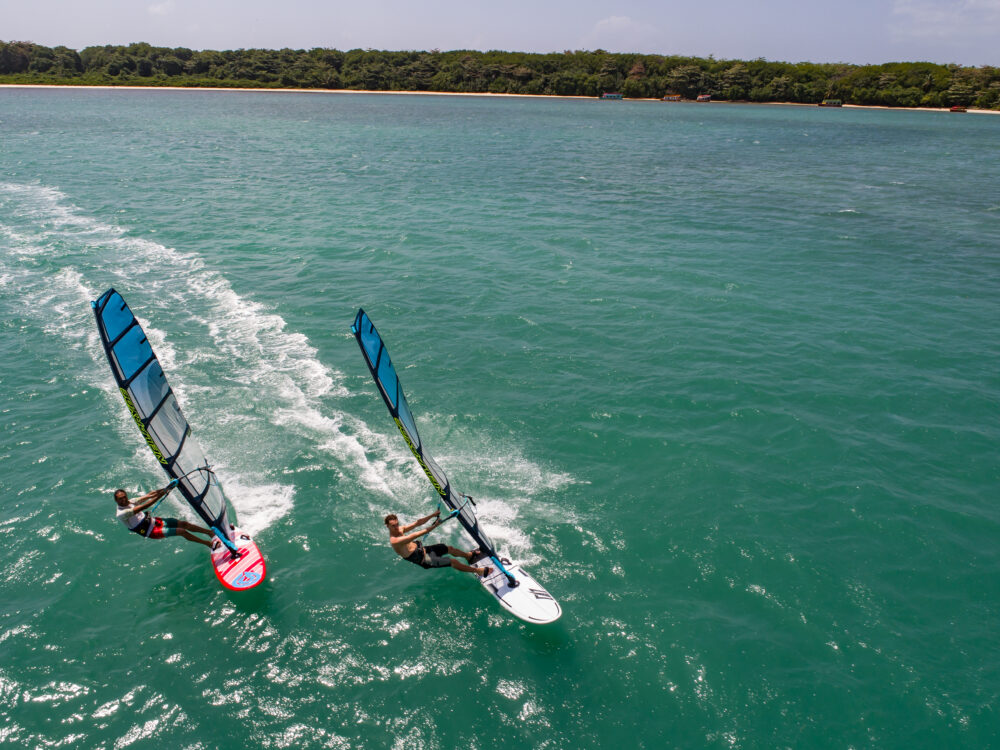
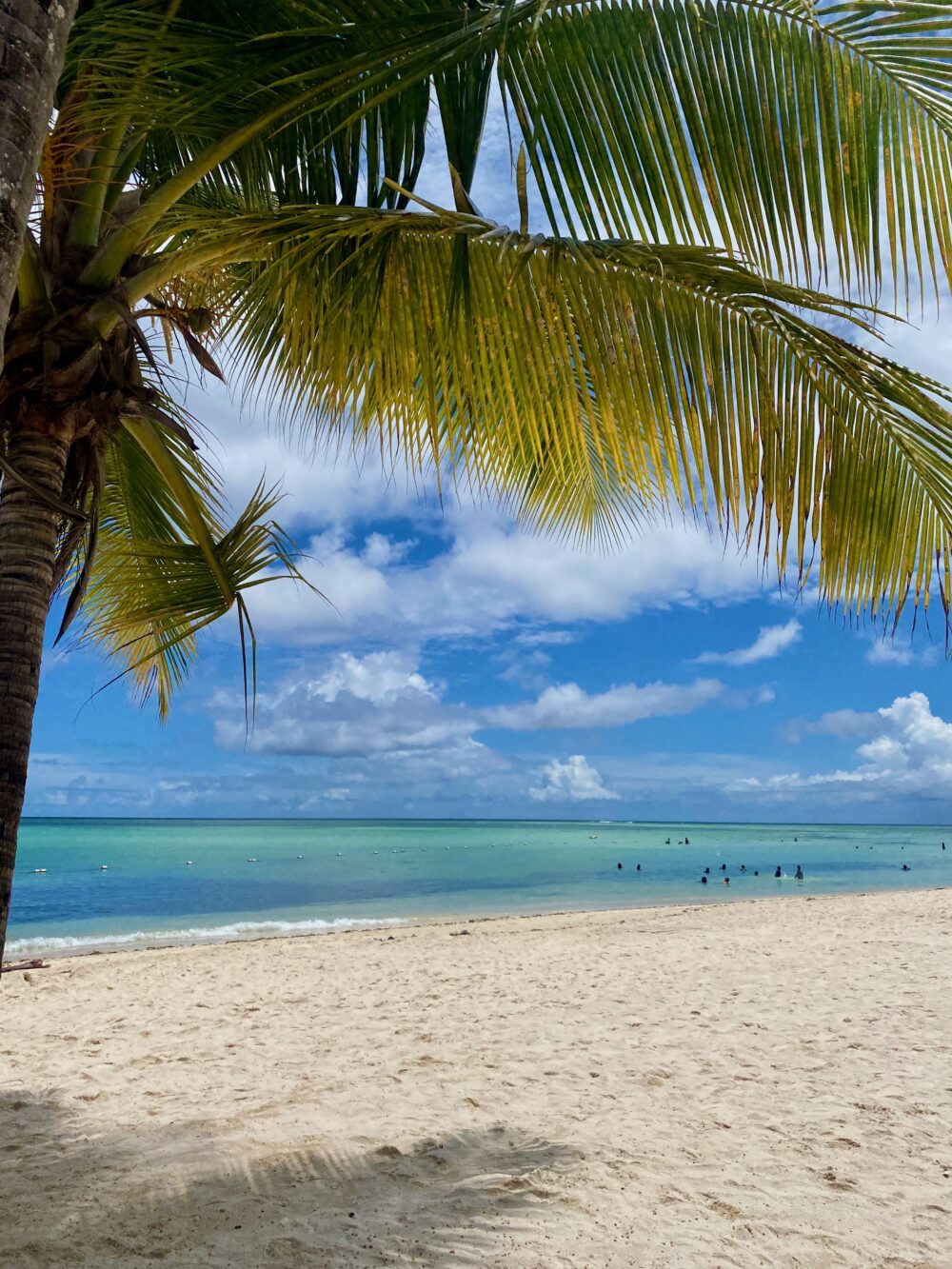
The beautiful island of Tobago is renowned for its abundance of beaches. On one side, facing the Caribbean coast, you’ll find pristine white sands, and on the other side, dark, ash grey volcanic sands of the Atlantic coast. Adventures are endless in Tobago, from kayaking among the magical bioluminescence to world-class diving and excellent surfing. Tobago is also a top destination when it comes to kitesurfing, especially in the winter months.
Book your nighttime bioluminescence tour here! (From £120 per person)
Tobago is arguably one of the best diving locations in the Caribbean, with some of the best underwater adventures to be found off-shore near Crown Point, Charlotteville, and Speyside. At these sites, divers will find sloping gentle reefs, interesting rock formations, underwater canyons and plankton rich waters. There’s also various types of diving on offer, from drift and wreck diving to reef and shore diving, with an array to suit complete novices as well as experts. One of the most spectacular drift dives in the Caribbean is where the Gulf Stream merges with the Guyana current.
The coast also boasts Tobago’s finest wreck. Known as the Maverick, this was a former car ferry which was intentionally sunk in 1997 and lies 30m deep.
The reefs surrounding Tobago are healthy, boasting more than three hundred species, including one of the biggest examples of brain coral in the region at Speyside. There are also leatherback turtles, stingrays, an array of shark species, barracuda and exotic shoals of fish.
Outdoor adventure
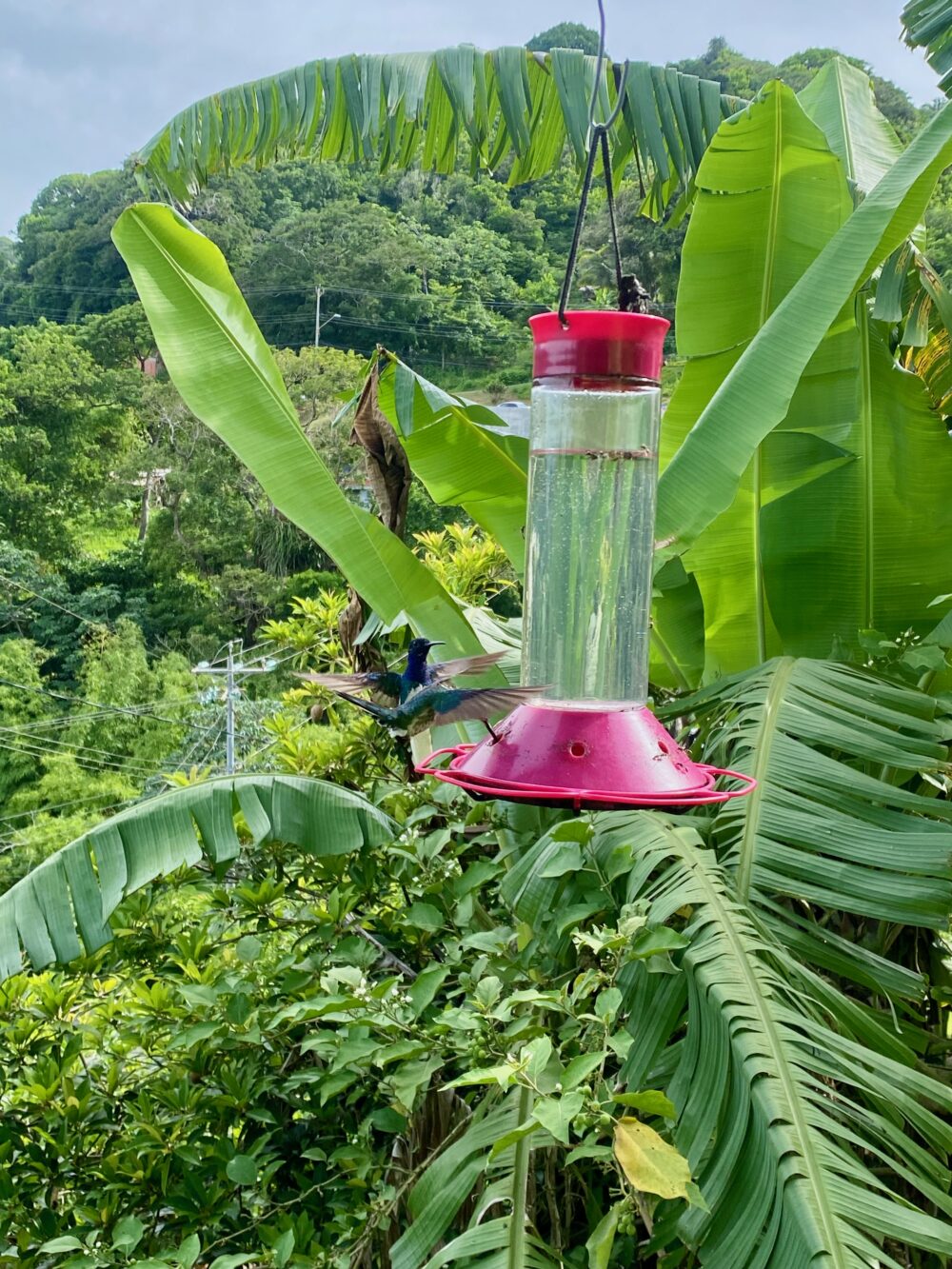
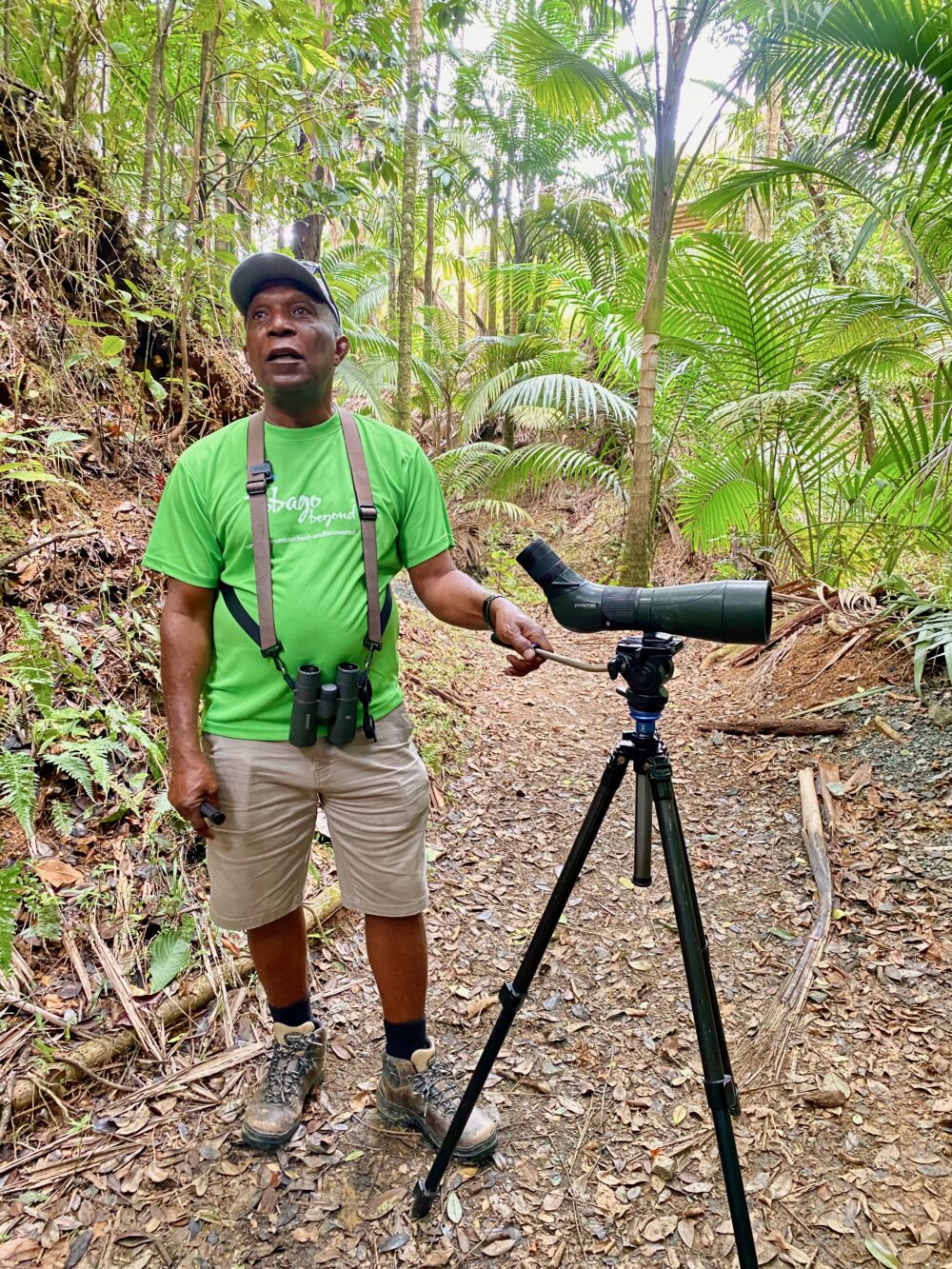
Inland is home to some fantastic hiking and bird-watching. Tobago is one of the best destinations in the Caribbean for bird-watching, especially within its thick, green vegetation within the world’s oldest protected rainforest. There are over 230 species of bird on Tobago, including one of the world’s rarest hummingbirds – the white-tailed Sabrewing, which was believed to be extinct before its rediscovery in 1974.
Wellbeing
If you’d like to include some wellness activities on your trip, then Tobago is home to some excellent, affordable spa and wellness centres.
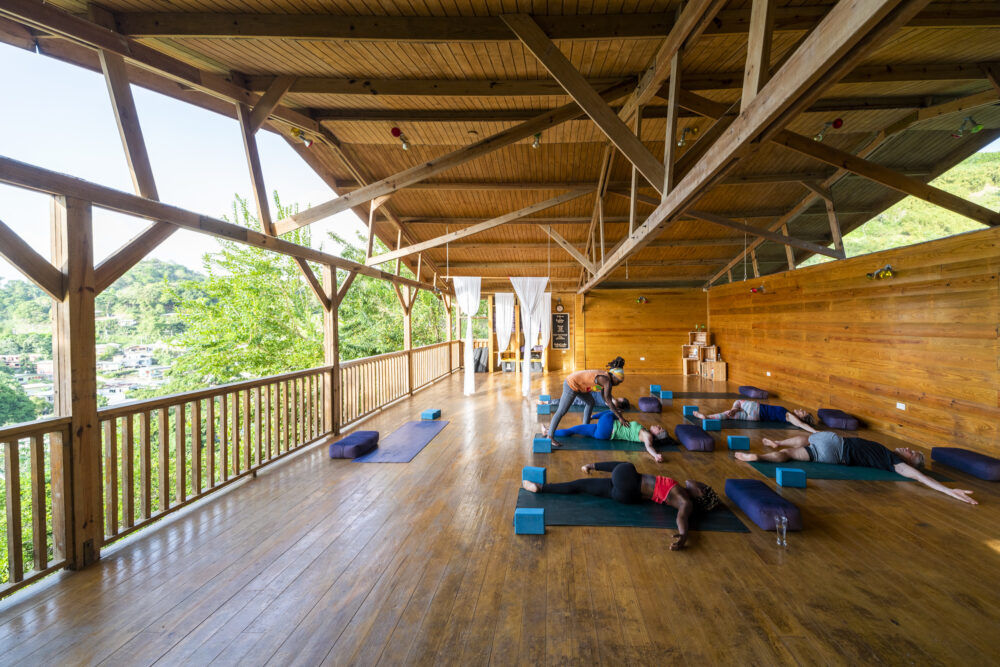
Thou Art Yoga in Kariwak Village in Crown Point specialises in Kundalini Yoga classes (solo and group), workshops and weekend retreats. Under the guidance of a certified instructor, beginner and advanced students are welcome to enjoy creative and transformative experiences.
Alternatively, opt for a soothing massage from a fully trained therapist at the local gem, Crown Point Medical Spa, as well as other wellness services and therapies on offer. For a pamper day, head to Exhale Spa by Haley, where customers can take in the stress free zone and enjoy massage treatments, facials, beauty and spa packages.
Castara Retreats is a much-loved destination for yogis and those seeking wellness. This beautiful treetop eco-friendly retreat offers guests a healthy, revitalising stay.
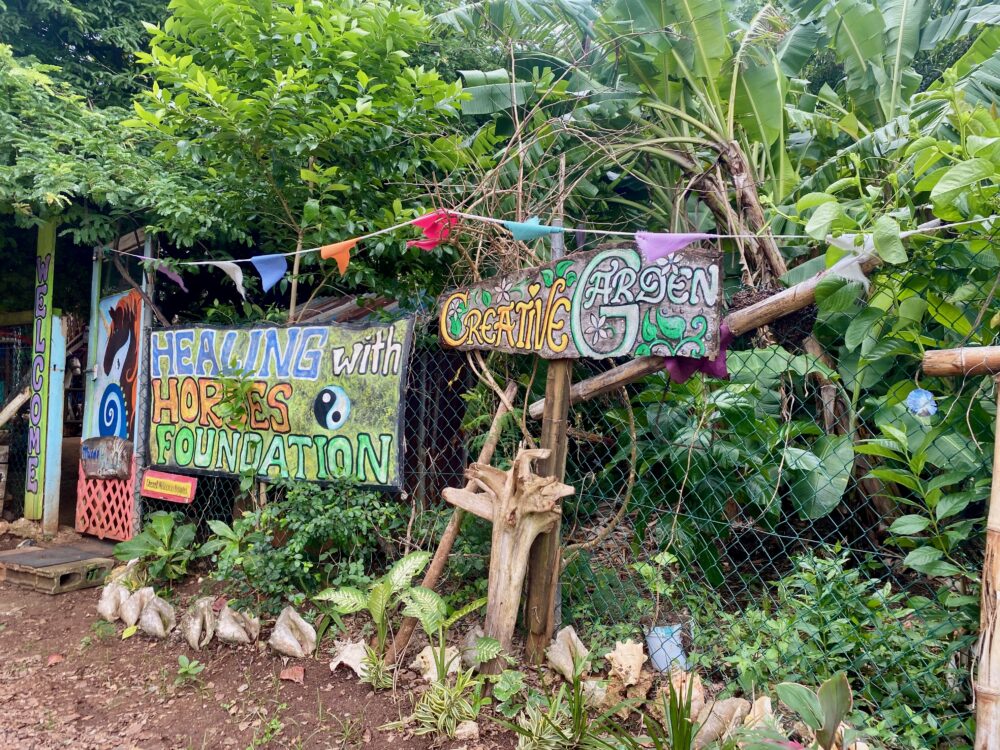
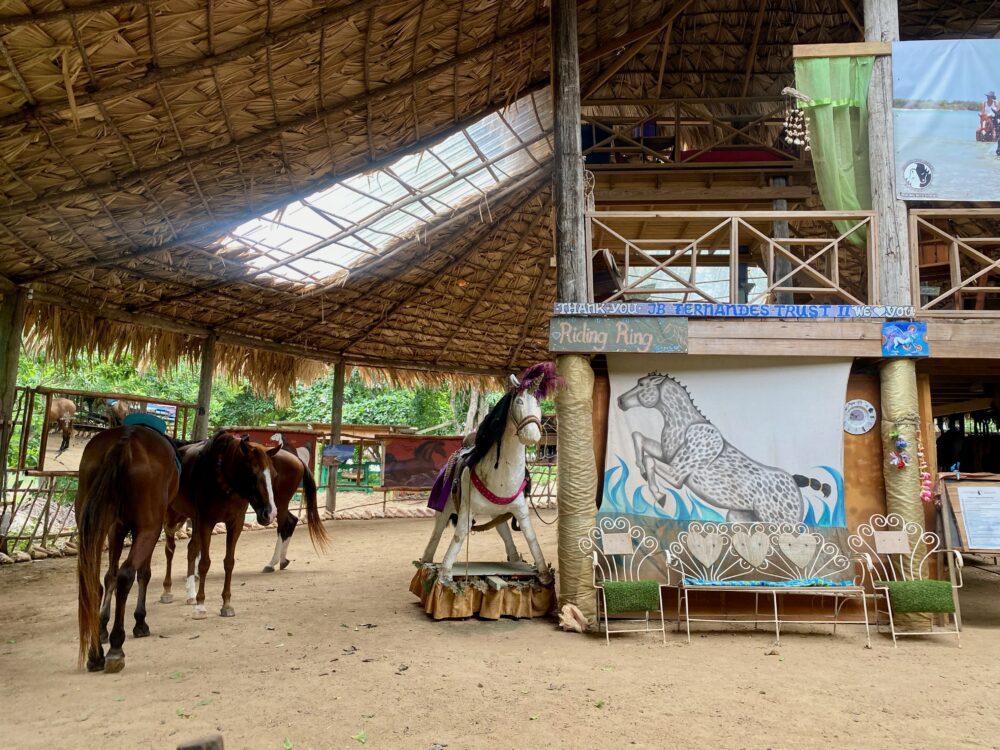
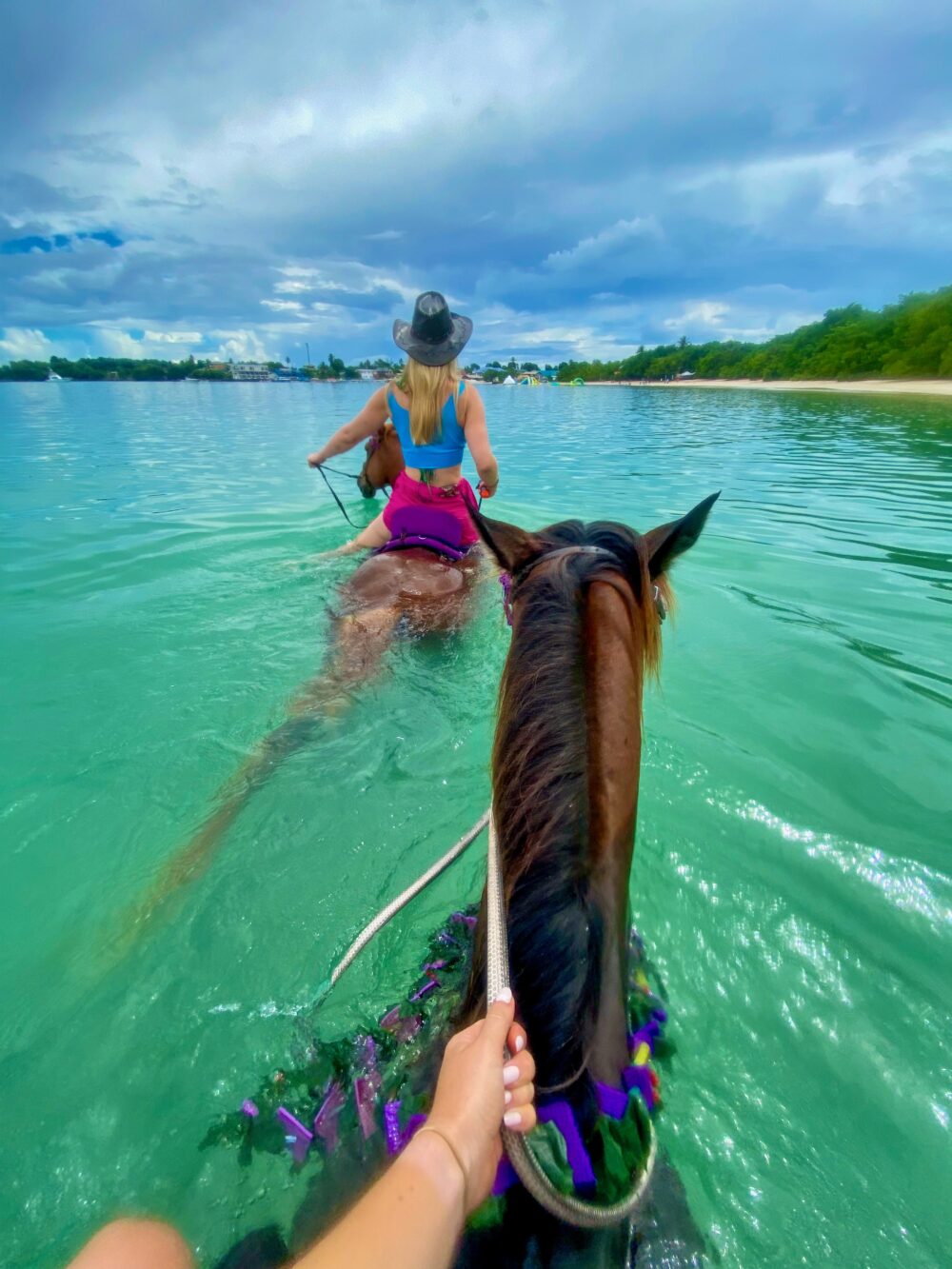
Another mindful activity on the island is Healing with Horses. This is a local charity that helps people of all ages to realise their full potential through therapeutic interactions with nature, specifically horses. They also run sessions covering arts and crafts, music, dance, yoga, nature walks and gardening, sports and of course, the exceptional experience of being with horses. Their healthy herd of rescue horses give people a way to experience a strong sense of bonding and affection. As a visitor, you can get involved and join gentle horse rides along the beach with the glistening sea and the experienced instructor right beside you.
Historical Attractions
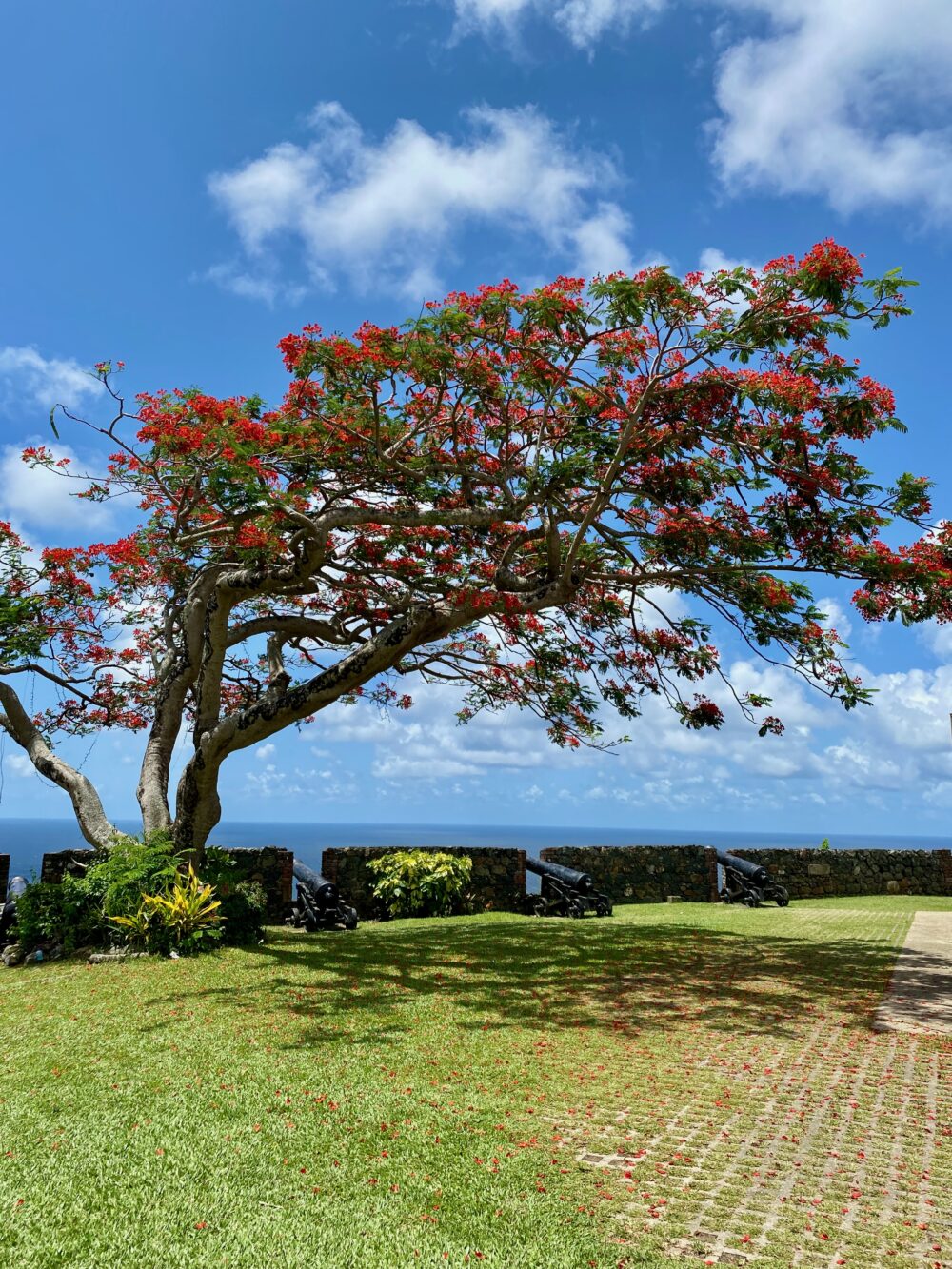
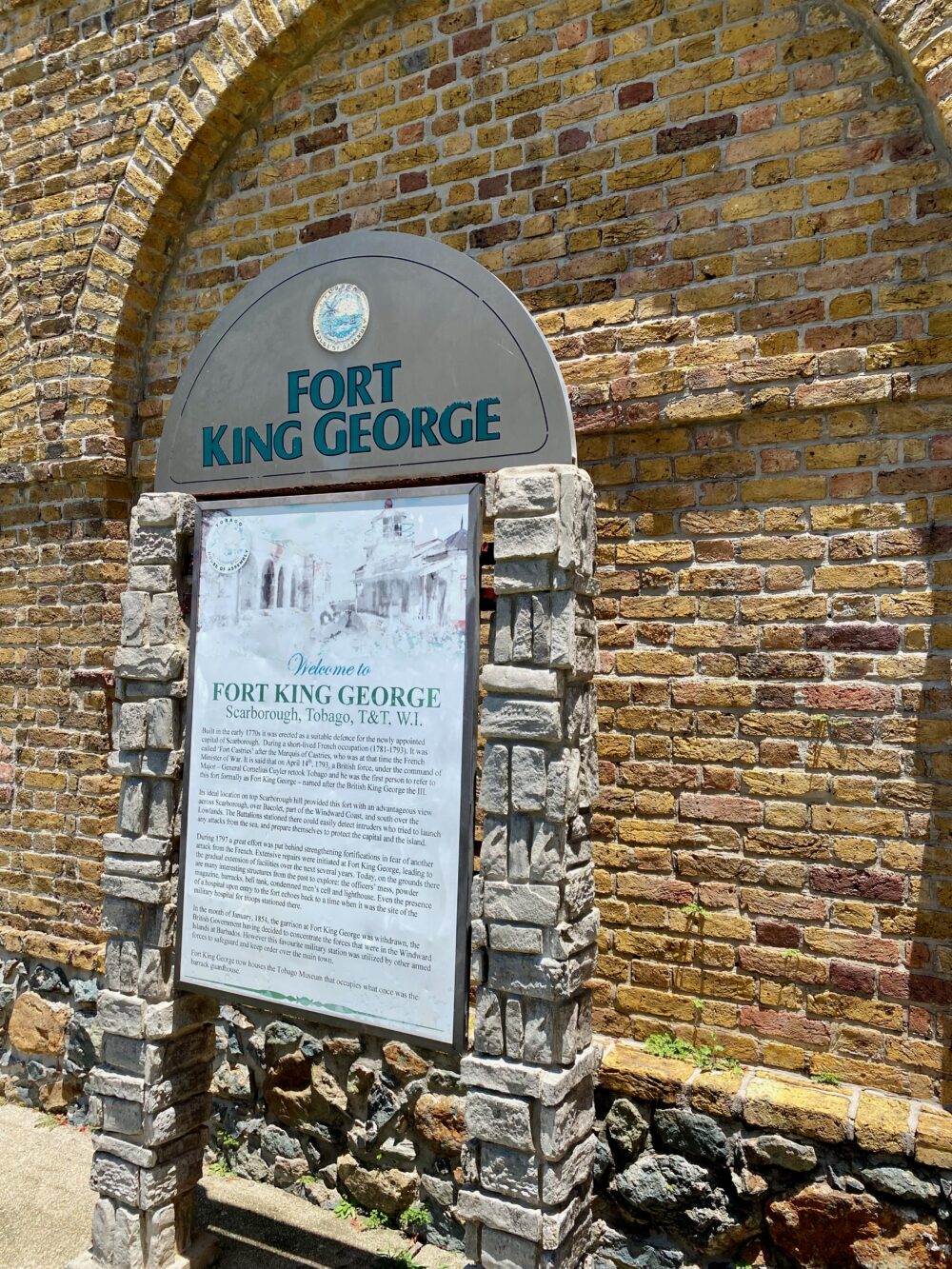
For a small island, there are a number of important sites across Tobago, all well worth visiting to understand more about its complex and layered history. In Scarborough, there is Fort King George which was built by the British. It played a key role in defending Tobago from attacks from the French and the Dutch. Today, you can explore the site, including the cannons, the guardhouse and its small museum, which is a really insightful exhibit.
In the north of the island, near Charlottesville is Fort James, which was also built to protect Tobago from invasions. Back in the capital of Scarborough, there’s a library which serves as more of a historical hub and offers a wealth of photos, documents and maps detailing Tobago’s history and colonial past.
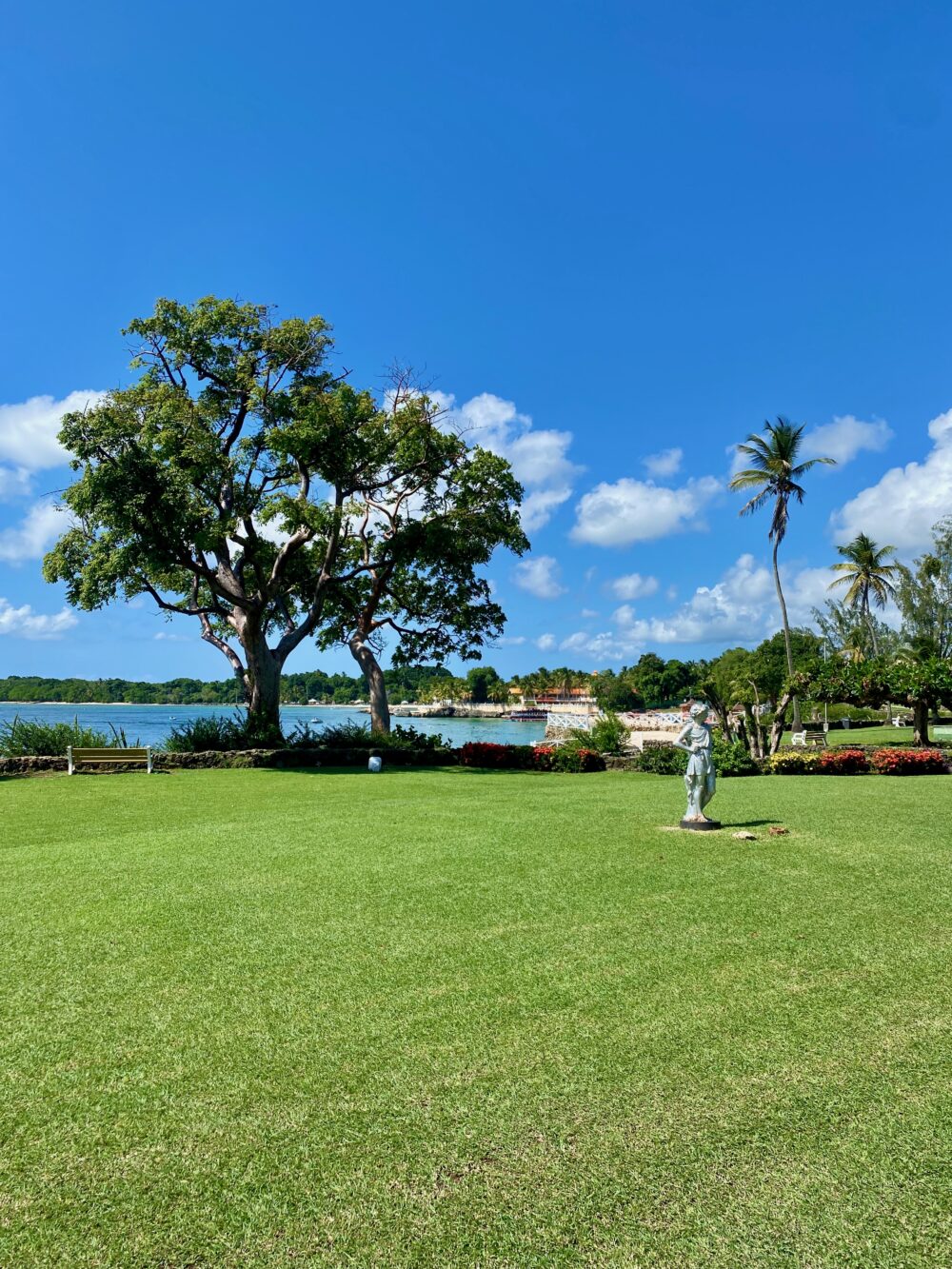
Areas in Tobago to Visit and Where to Stay
Crown Point and Store Bay
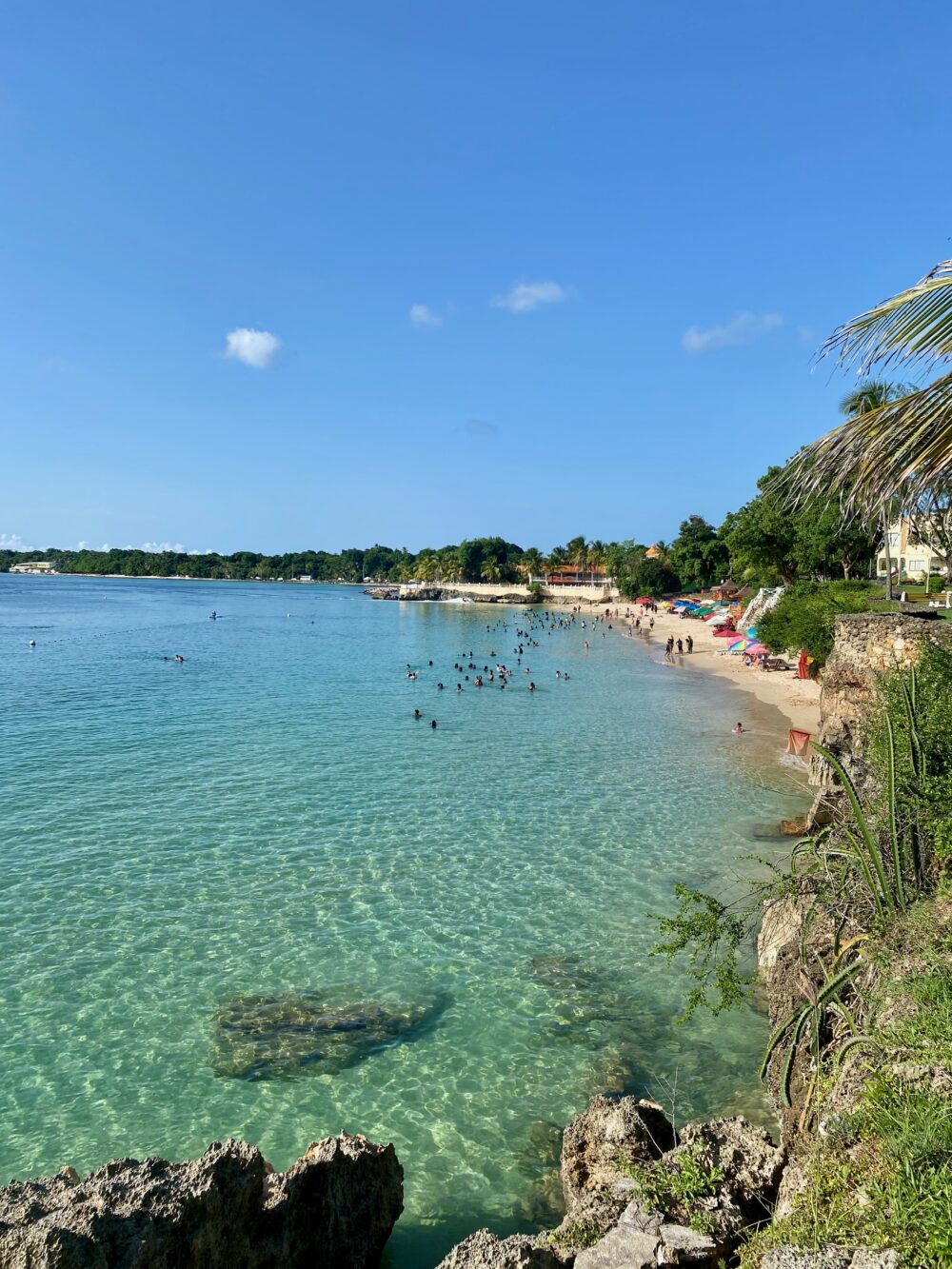
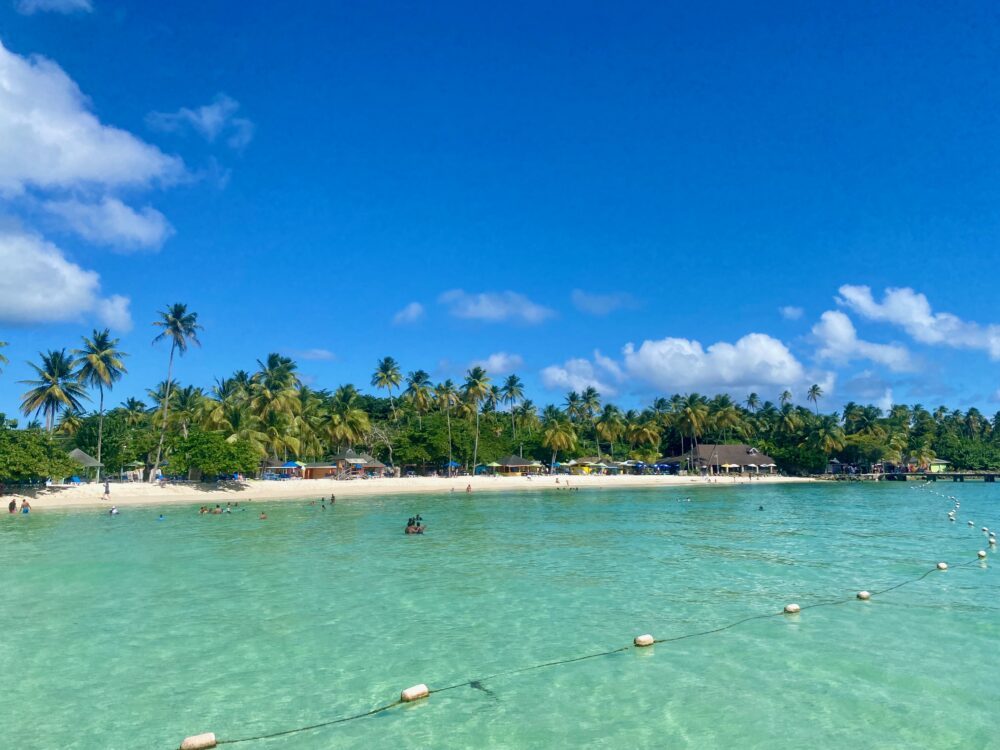
Crown Point is Tobago’s main tourism area and is located near the island’s international airport. This busy and popular neighbourhood is known for its lively nightlife, variety of restaurants, key hotels, and beaches. In fact, Crown Point is widely considered one of the best places to stay in Tobago for its convenience and entertainment options. Furthermore, its main beach, Store Bay is gorgeous, as is the nearby Pigeon Point Heritage Park.
Where to stay
Coco Reef Resort & Spa
One of Tobago’s best-known upscale resorts, located at Crown Point beside Store Bay and close to the airport. It’s popular for its private beach, landscaped grounds, and convenient location near restaurants and nightlife. Frequently recommended for couples and first-time visitors. Rates for a double room from around £200 per night. Check latest rates here.
Crown Point Beach Hotel
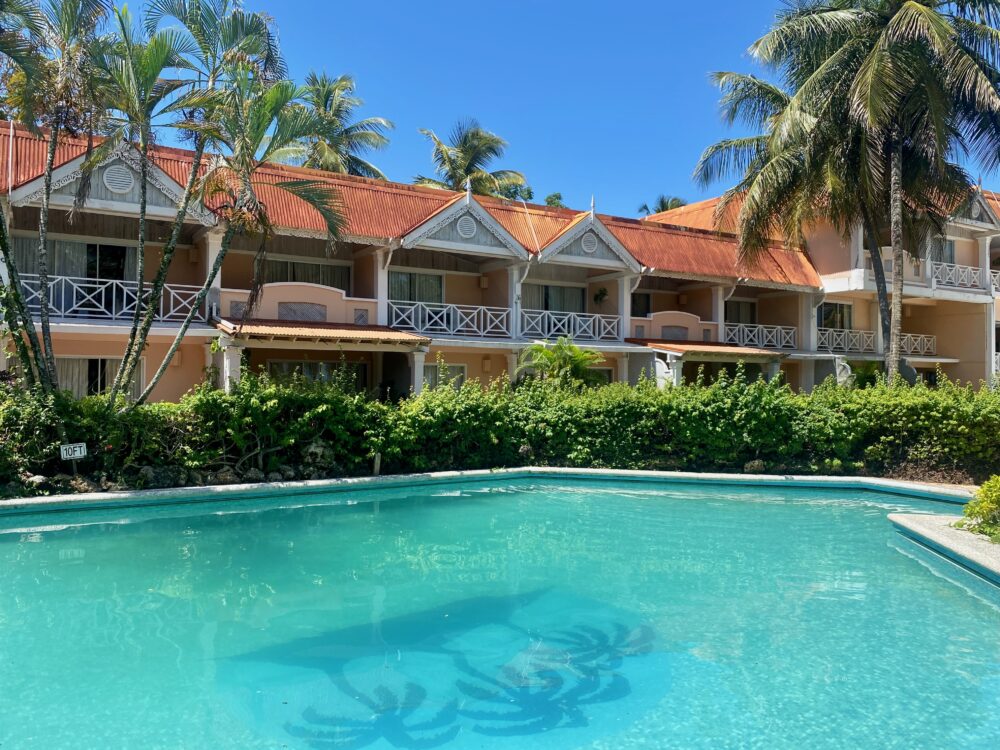
Set directly back from Store Bay Beach, this hotel puts you at the heart of the action, and also just a minute or two from the airport! Luckily, the incoming planes don’t affect your beach or poolside experience too much. Rates for a double room from around £130 per night. Check latest rates here.
Kariwak Village and Holistic Haven
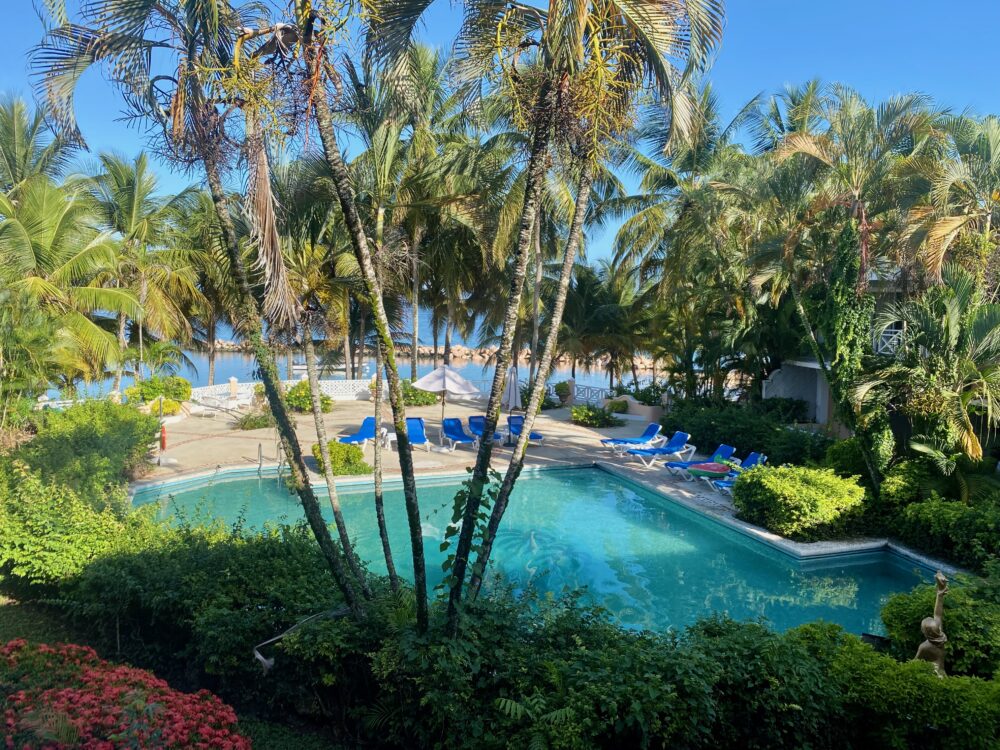
A wellness-focused boutique hotel near Crown Point known for yoga, healthy food, gardens, and a peaceful atmosphere. It is especially popular with repeat visitors and travellers seeking relaxation. Rates for a double room from around £140 per night. Check latest rates here.
Pigeon Point
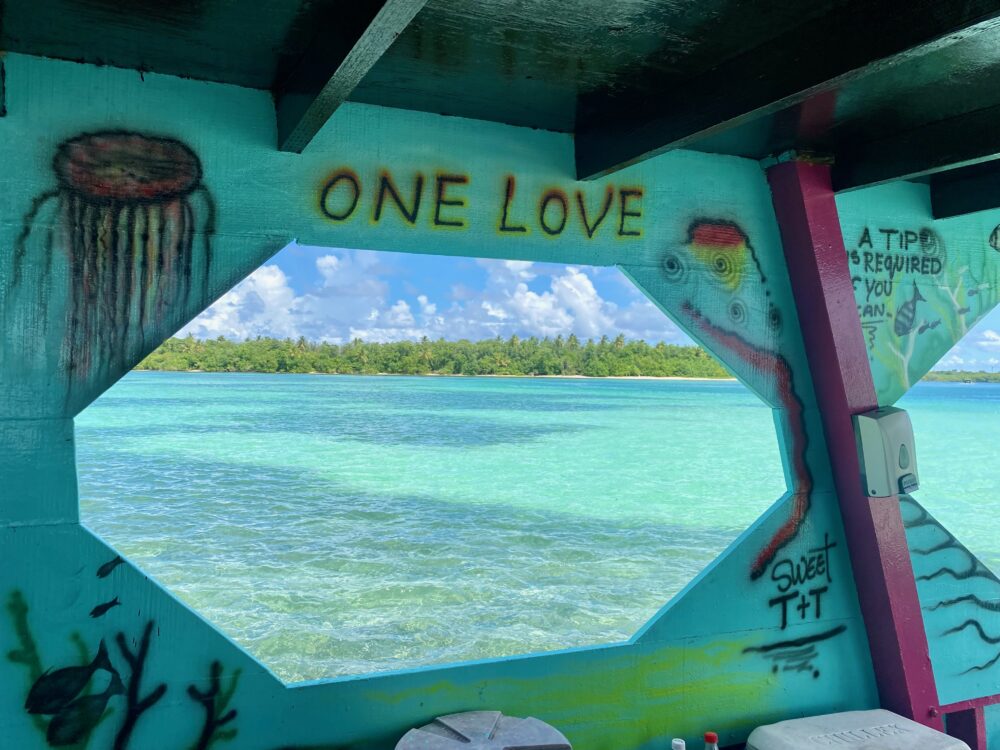
Pigeon Point is one of the best beaches on the island for watersports, as well as being the starting point for lots of boat excursions. One of the most popular tours is to visit the stunning Nylon Pool, which is a natural swimming pool in the middle of the ocean.
Kitesurfing at Pigeon Point is also very popular due to its consistent winds. Radical Sports kitesurfing shop has IKO certified instructors, who offer structured land lessons before taking you out on the shallow, clear blue waters.
In terms of where to stay, as this is a Heritage Park, there is no accommodation here and you would need to stay in nearby Crown Point.
Book your tour to the stunning Nylon Pool and Buccoo Reef here! (From £19 per person)
Castara
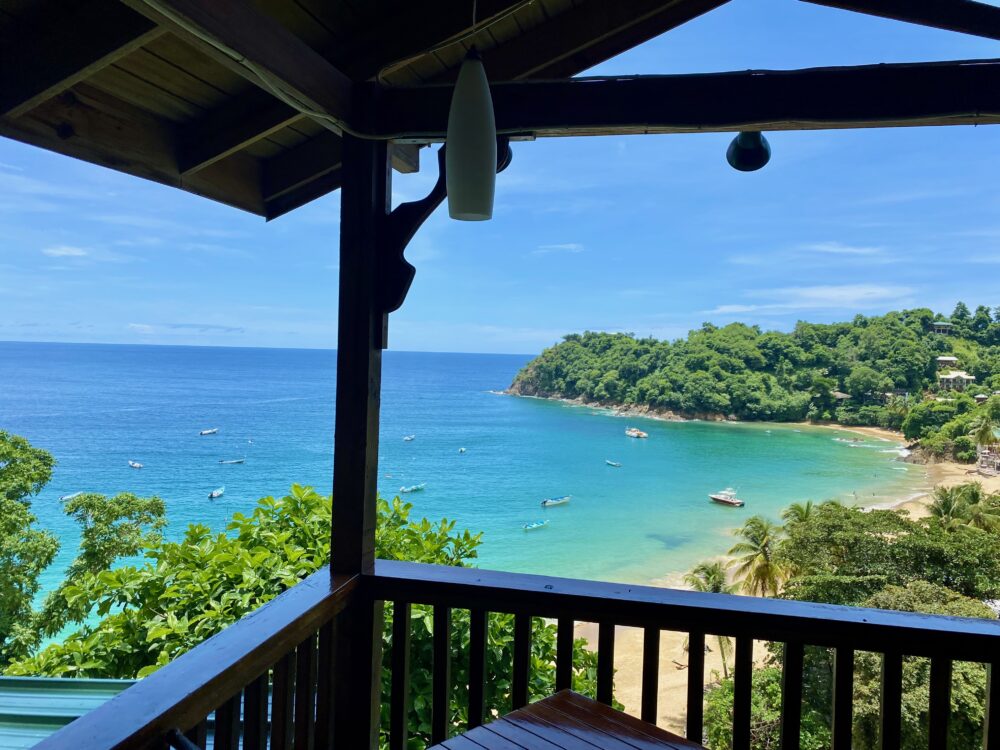
One picturesque beach worth heading to is Castara Bay. This crescent-shaped beach is dotted with several fishing boats and is the quintessential Caribbean beach. What it lacks in facilities, it makes up for in charm and setting. Our afternoons spent here were so idyllic.
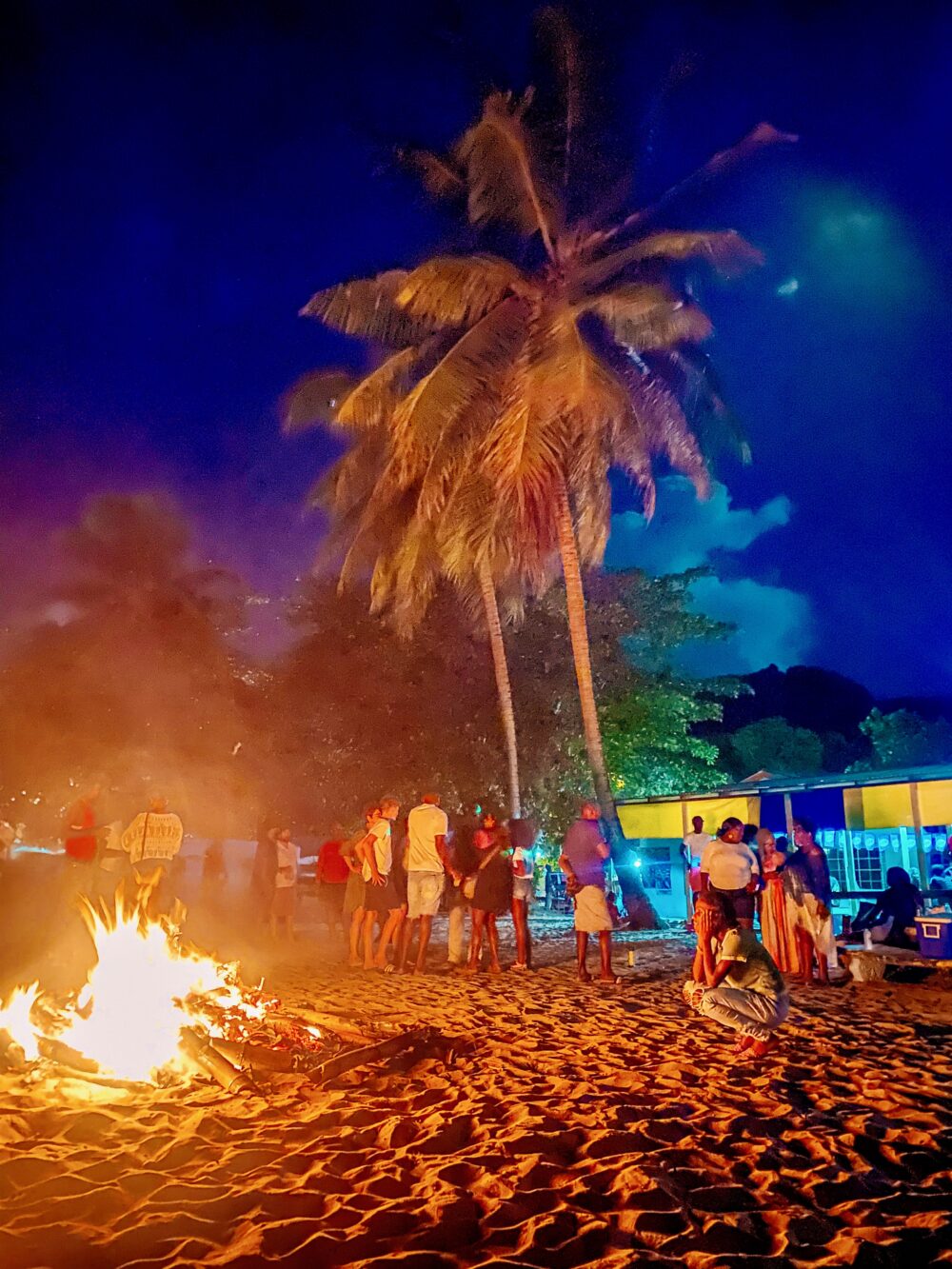
On Thursdays, there is the famous (free) Castara Bonfire, a great local experience and perfect for liming.
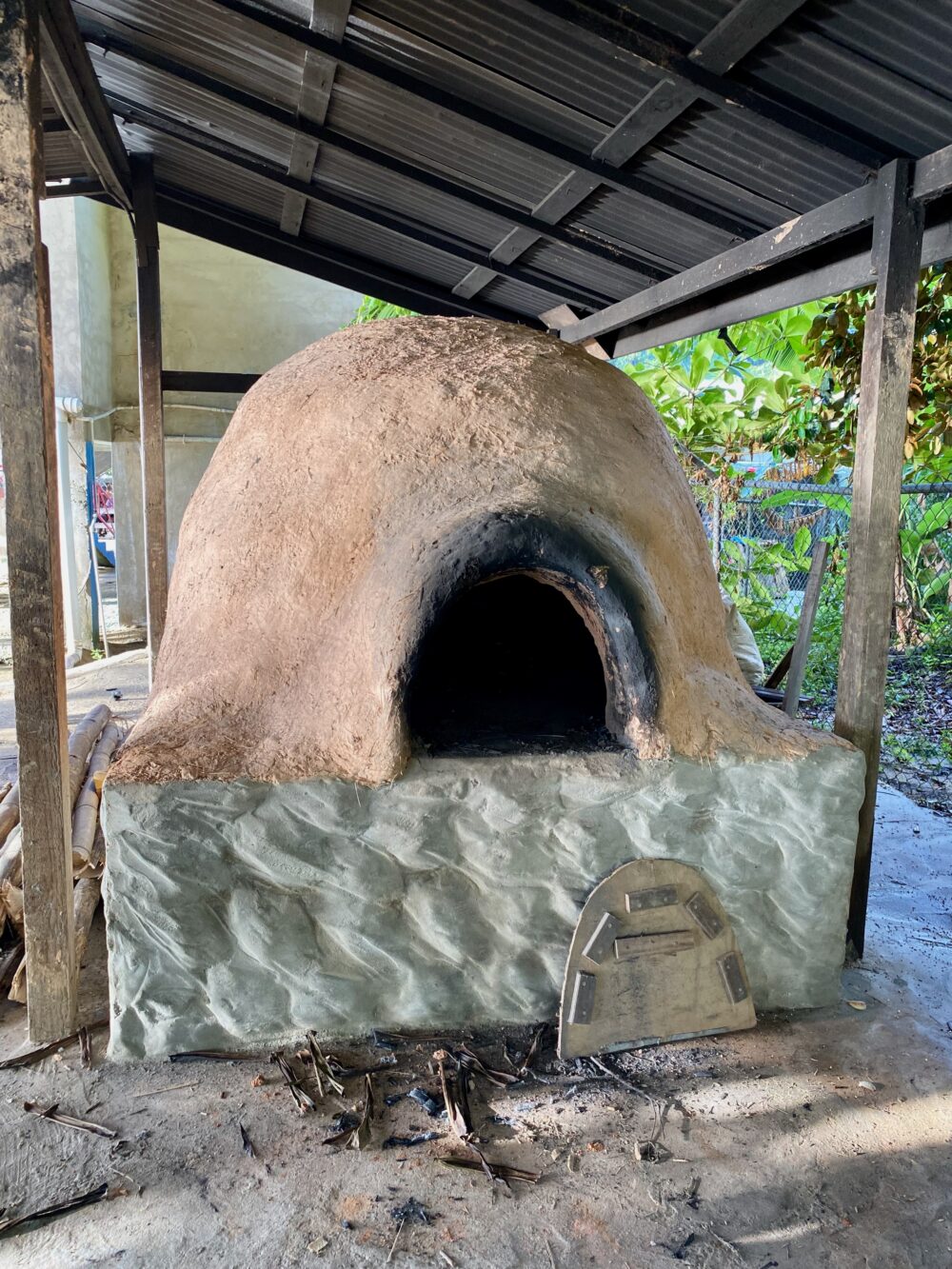
Castara is also a hub for community-run tourist development and therefore a great location to get involved with local initiatives. There is also a famous dirt oven here, which is well worth visiting on their bake days (Wednesday and Saturdays).

Castara Retreats
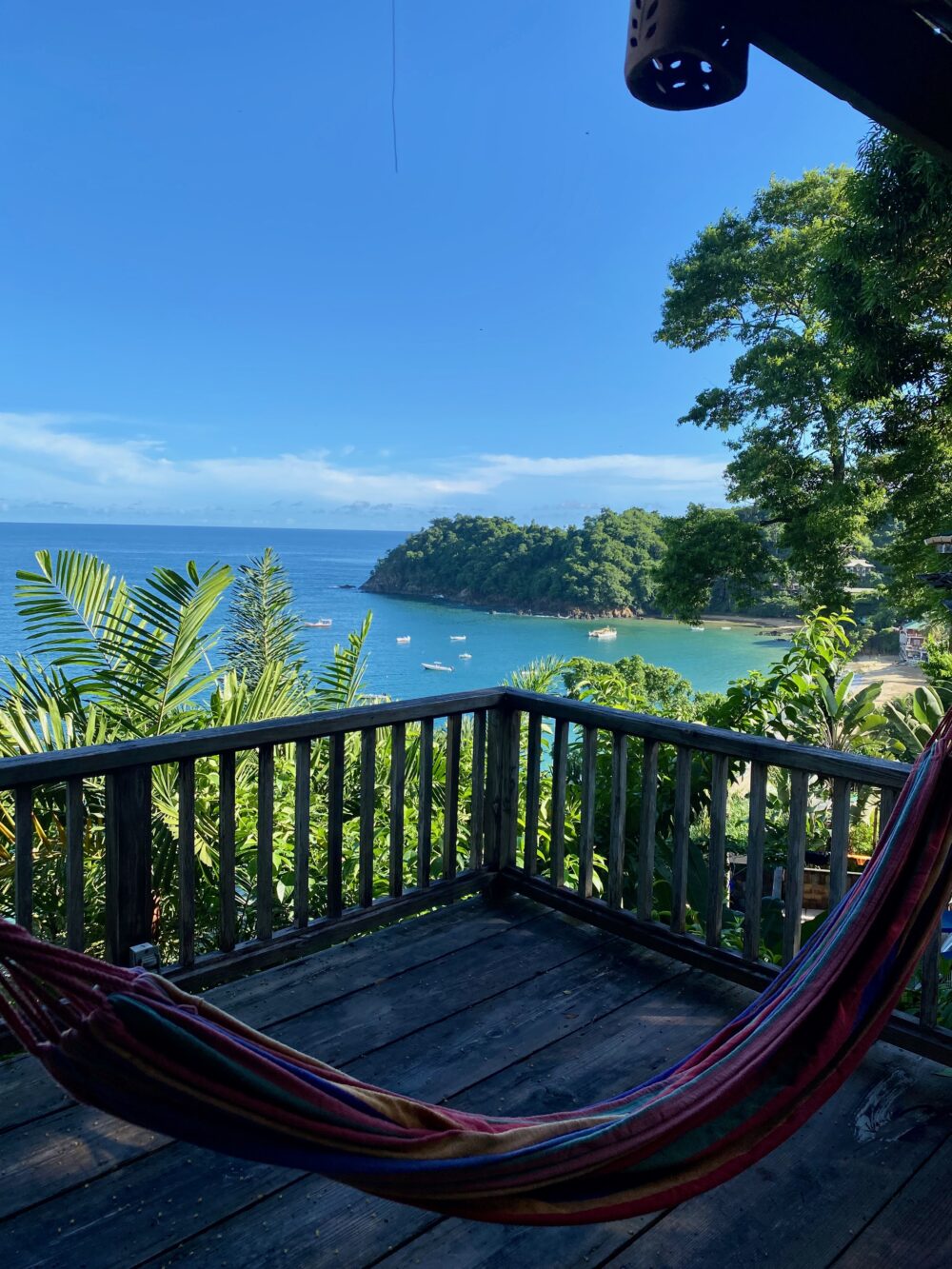
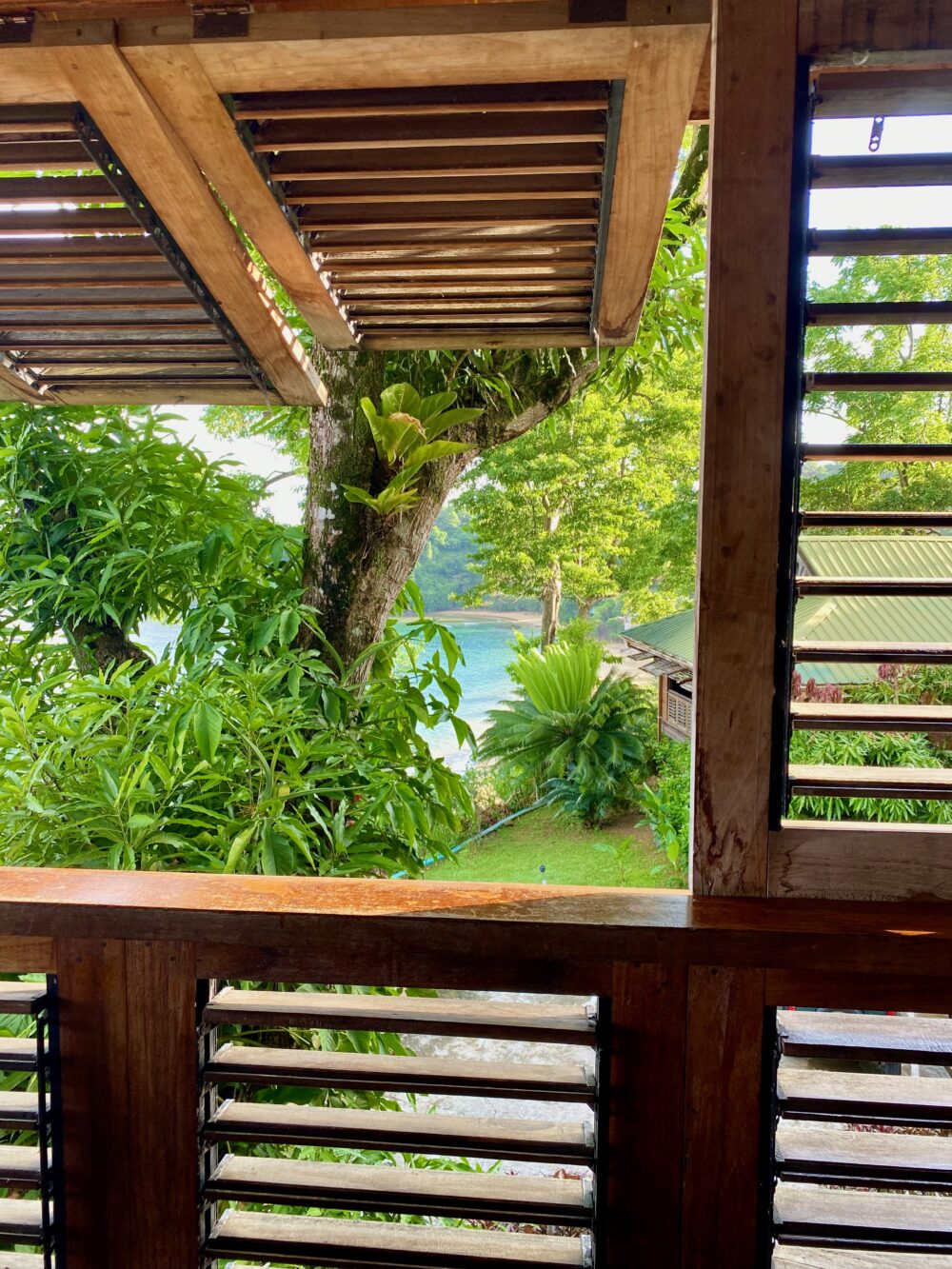
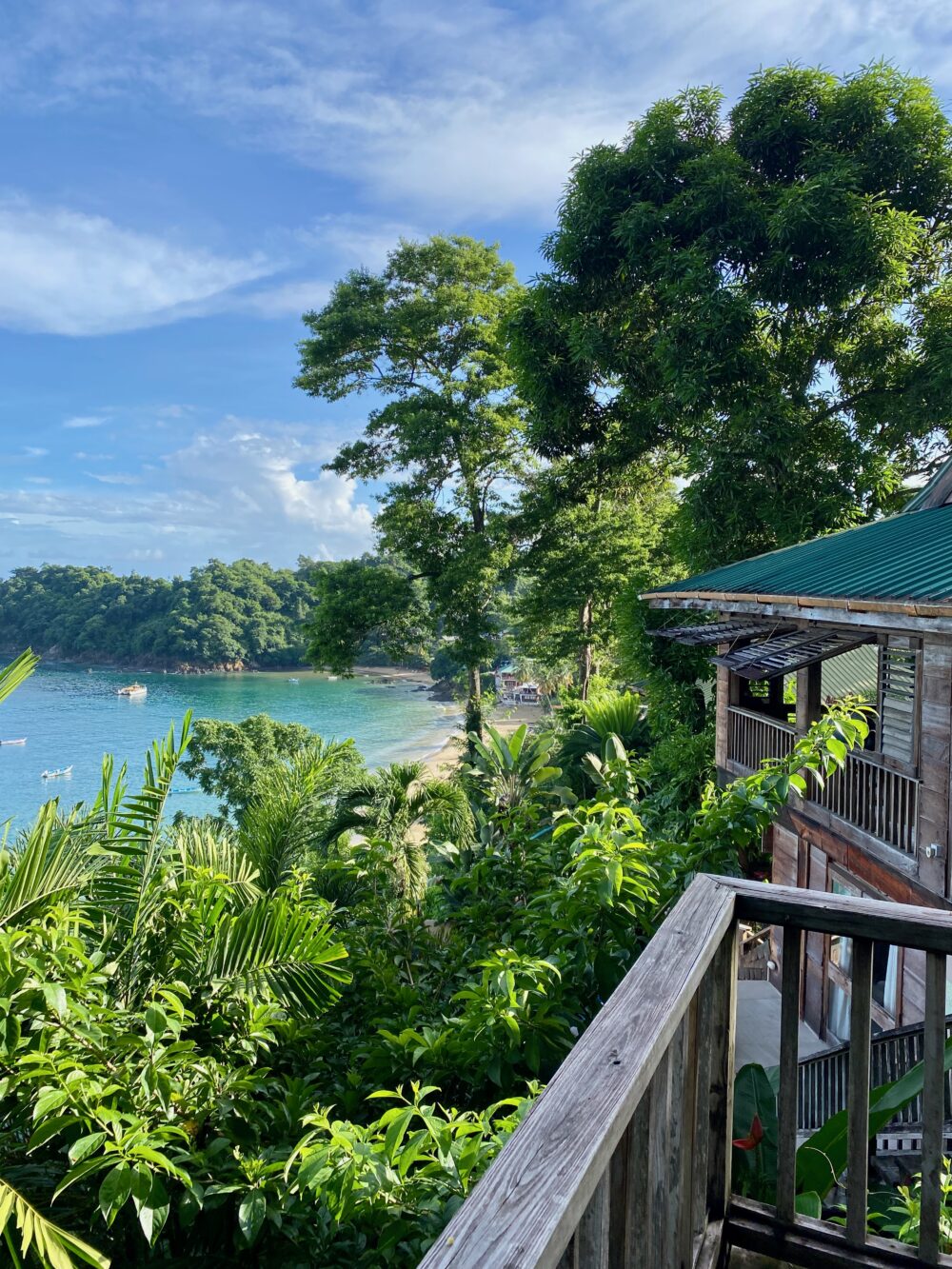
Nestled on the hillside above Castara and within the dense rainforest, Castara Retreats offer an eco-tropical hideaway with their 16 treehouses. This beautiful retreat offers laidback living and rustic chic style. Staying here is a must!
Note that you must stay a minimum of 3 nights here. Rates for a double room treehouse are from around £500 for 3 nights. Check latest rates here.
Main Ridge Forest Reserve
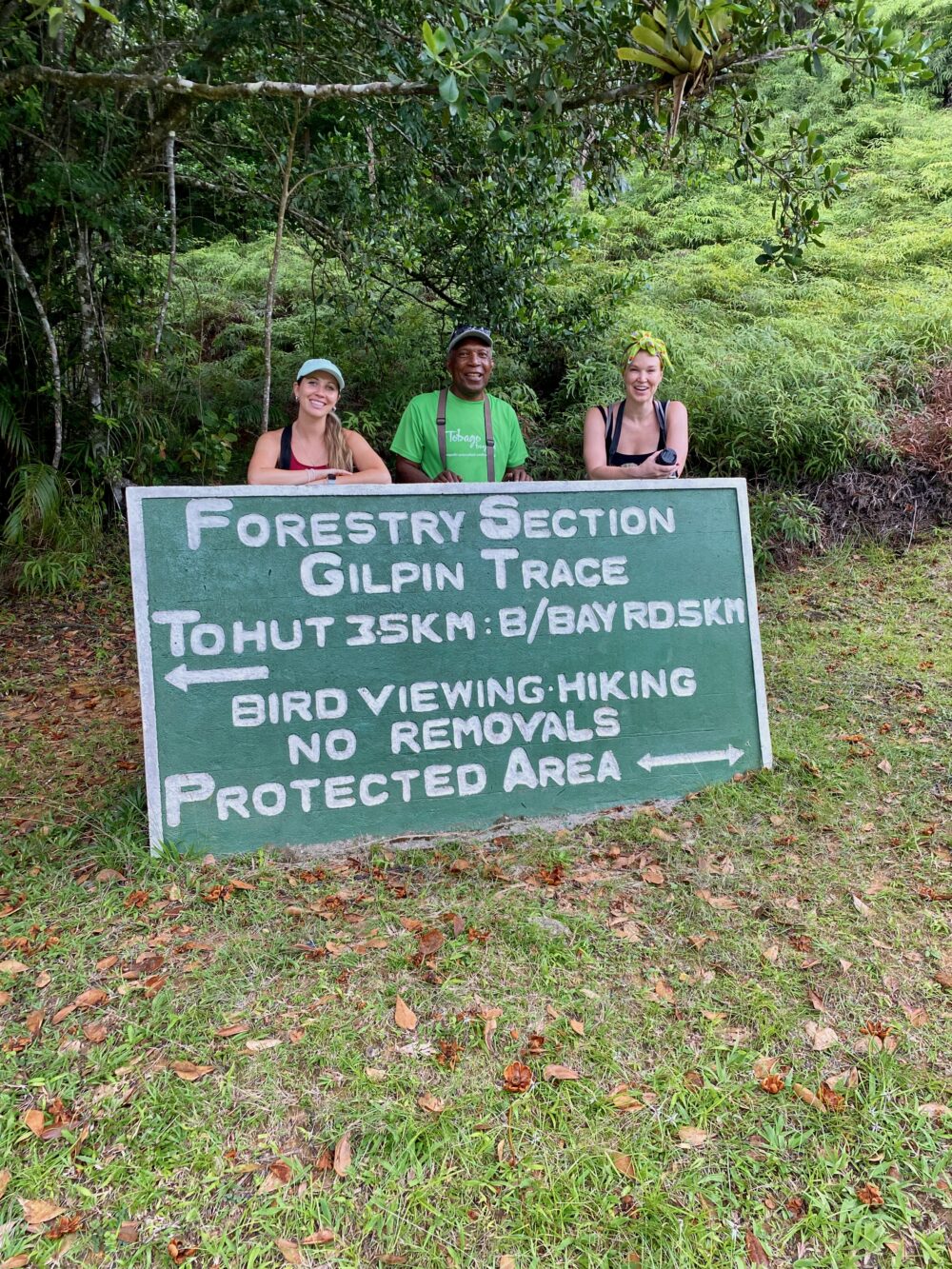
Main Ridge Forest Reserve is one of Tobago’s most important natural and historical landmarks, established in 1776. This beautiful rainforest is considered the oldest legally protected forest reserve in the Western Hemisphere and stretches across the central mountainous spine of the island. It’s known for its biodiversity, hiking trails, and ecological importance.
In October 2020, it was designated as part of the Northeast Tobago UNESCO Man and the Biosphere Reserve and is a key location on Tobago for eco-tourism and conservation.
There are several hiking and nature trails to be found, including the famous Gilpin Trace trail which offers excellent birdwatching. There are also several scenic viewpoints overlooking both the Caribbean Sea and Atlantic Ocean, and refreshing waterfalls and pools to cool off in. One of the most popular waterfalls is Argyle Falls, also known as Tobago’s highest waterfall.
Book your rainforest hiking tour here! (From £100 per person)
Scarborough
Scarborough is the capital and largest town of Tobago and is located on the southern coast. It serves as the island’s administrative and commercial centre, and is home to most of the government offices, banks, schools, hospitals. It is also where the main port is situated, linking Tobago with Trinidad.
Scarborough is also home to a number of historical sites, including Fort King George, an 18th century fort overlooking the harbour.
Bacolet Beach Club
This chic beachfront property offers incredible bay views, an excellent spa and a delightful pool and bar area, perfect for sipping cocktails! Bacolet Bay itself is a horseshoe-shaped beach and was once the backdrop to Walt Disney’s 1960 classic castaway film Swiss Family Robinson. Rates for a double room from around £135 per night. Check latest rates here.
Ohana Villa
Almost next door is the luxury Ohana Villa, which is a Bali-style villa set atop the hill with 6 spacious bedrooms and two infinity pools. Rates for the entire villa are from around £1200 per night. Check latest rates here.
Magdalena Grand
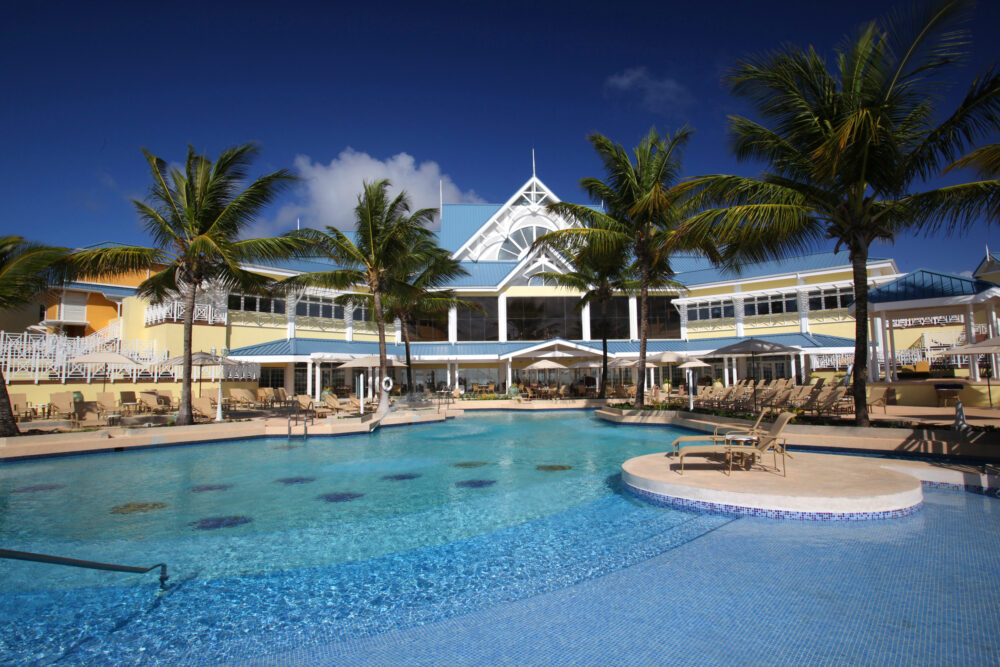
This is one of Tobago’s largest resorts, located within the gated Tobago Plantations estate. Whilst it is set on a large golf course, it is also family friendly. Its beautiful beachfront setting is about halfway between Crown Point/airport area and capital of Scarborough making it a great base for spending time in the south of the island. Rates for a double room from around £140 per night. Check latest rates here.
Charlotteville
Located in the remote northeast of the island, Charlotteville is a quiet fishing village tucked away on Man-o-War Bay. Known for its eco-tourism offering, birdwatching, and easy access to secluded beaches such as Pirate’s Bay, Charlotteville has a peaceful atmosphere and feels far from the vibrant towns of the south.
The main places to stay would be in Speyside, which is very close to Charlotteville.
Speyside
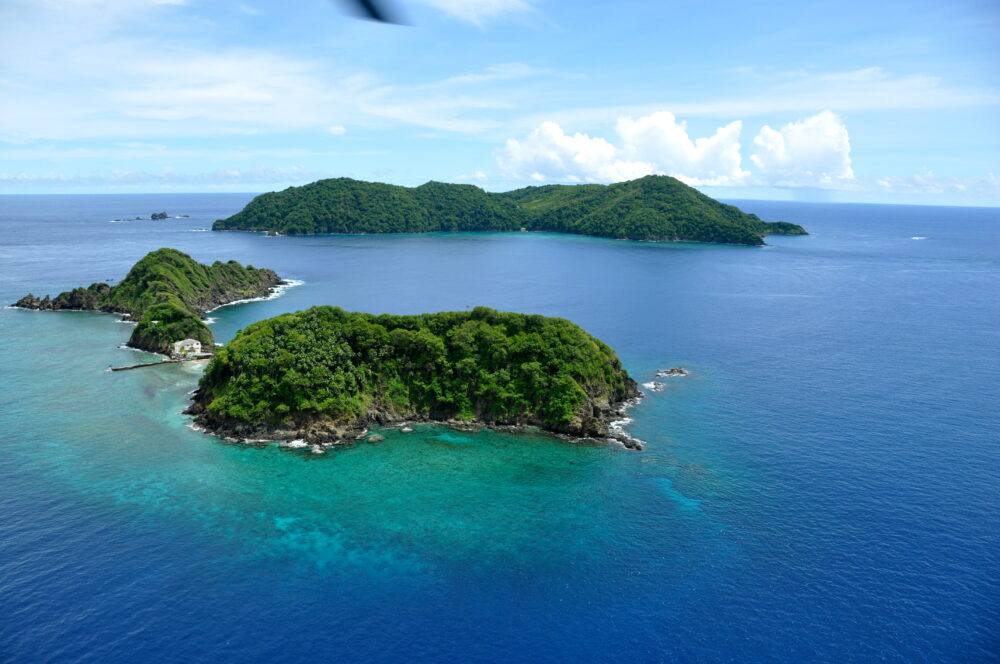
The sparkling waters around Speyside are often considered as some of the world’s best for diving and marine life. The tiny town is packed with professional dive shops. The PADI dive shops offer daily boat trips to a range of more than 30 dive sites, offering mainly drift diving. Check out this guide here to some of the best diving spots to access from Speyside, including the world’s largest brain coral. There are also stunning views across to Goat Island and Little Tobago, both nature havens and well worth the boat ride.
Where to Stay
Manta Lodge and Dive Centre
This beautiful hotel opened just a couple of years ago and offers an excellent base for a diving trip to Tobago. As well as a beautiful pool to relax in after dives, it has a lovely poolside bar and hotel restaurant. Rates for a double room from around £90 per night. Check latest rates here.
Blue Waters Inn offers delightful beachfront accommodation ranging from their standard rooms to charming bungalows. Rates for a double room from around £100 per night. Check latest rates here.
Buccoo
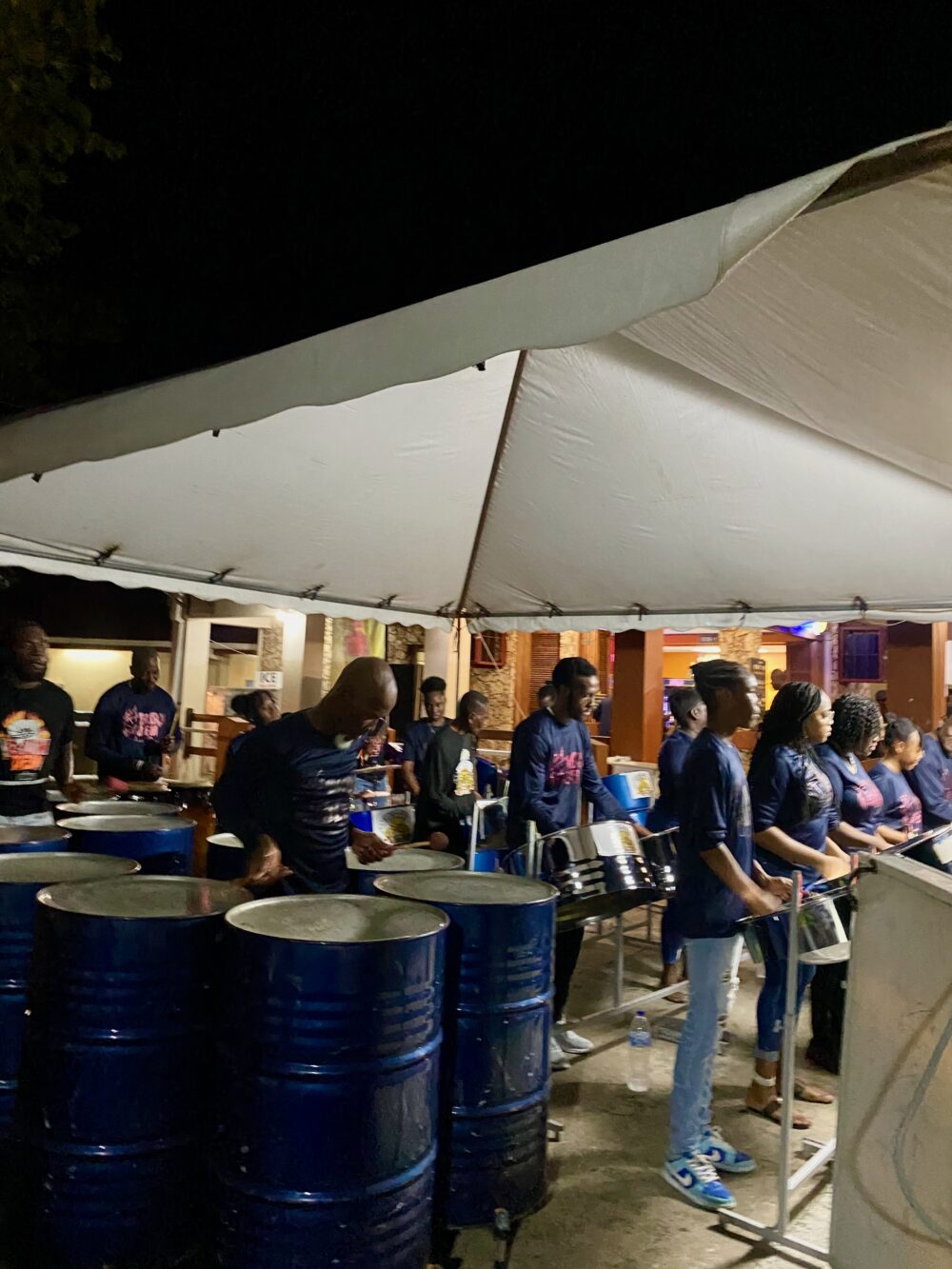
Buccoo is a small fishing village on the southwestern coast. It has become well known for its lively Sunday School street festivities featuring traditional music. This takes place every Sunday from around 8pm and starts with steelpan music, before transitioning into a vibrant party with DJs playing reggae, dancehall and soca music. It’s also free so a must-do activity in Tobago.
Where to Stay
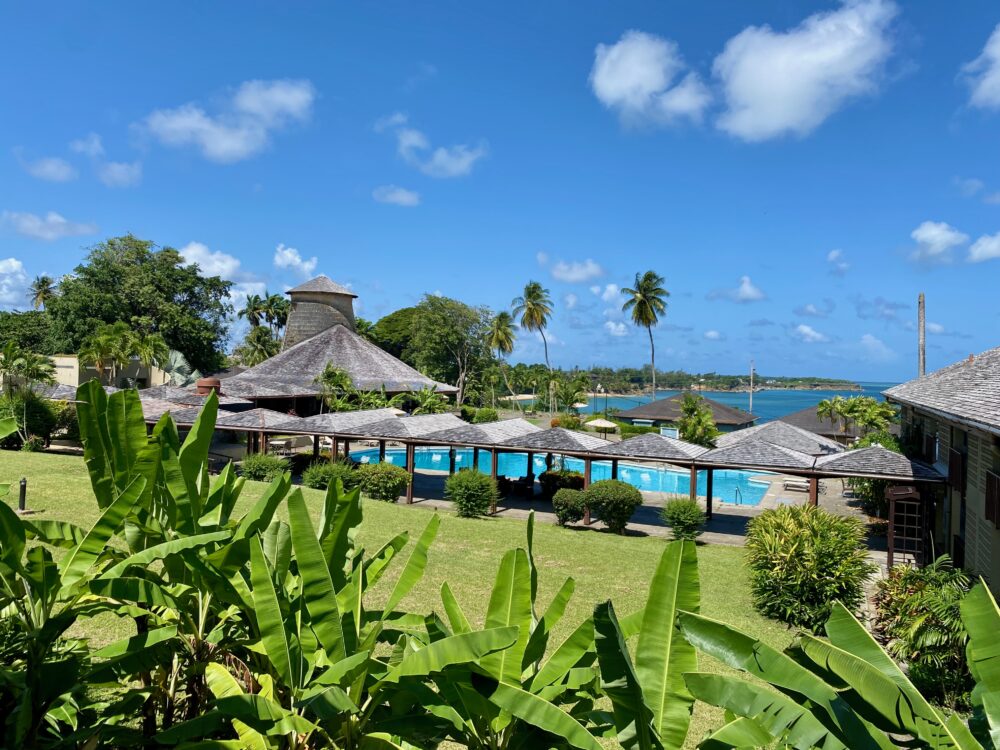
Mount Irvine Bay Resort
Set on a stunning beach, this expansive resort offers all the amenities you’d expect in a large hotel, with a gorgeous central swimming pool. Rates for a double room from around £160 per night. Check latest rates here.
Plymouth
Plymouth is one of the oldest areas in Tobago and its historical significance dates back to colonial times. During the British colonial rule, Plymouth was in fact the capital of Tobago. Close by to Plymouth is Fort James, which is the town’s main attraction. This historic fort was built to defend the island from invasion. Today, Plymouth is a quiet fishing community which is also home to Tonči Chocolates & Coffee.
Where to Stay
Starfish Tobago
This beachfront hotel makes for a delightful base for exploring Tobago. Between its beautiful pool and location on Turtle Beach, this is a popular and affordable hotel in Tobago. Rates for a double room from around £122 per night. Check latest rates here.
The Villas at Stonehaven
Nearby are the 14 French colonial-style ocean-view villas at Stonehaven. This is one of the most luxurious options in Tobago. They even have infinity plunge pools and all the amenities of a boutique luxury resort. Stonehaven has a minimum 2 night stay. Rates for a double room from around £675 for 2 nights. Check latest rates here.
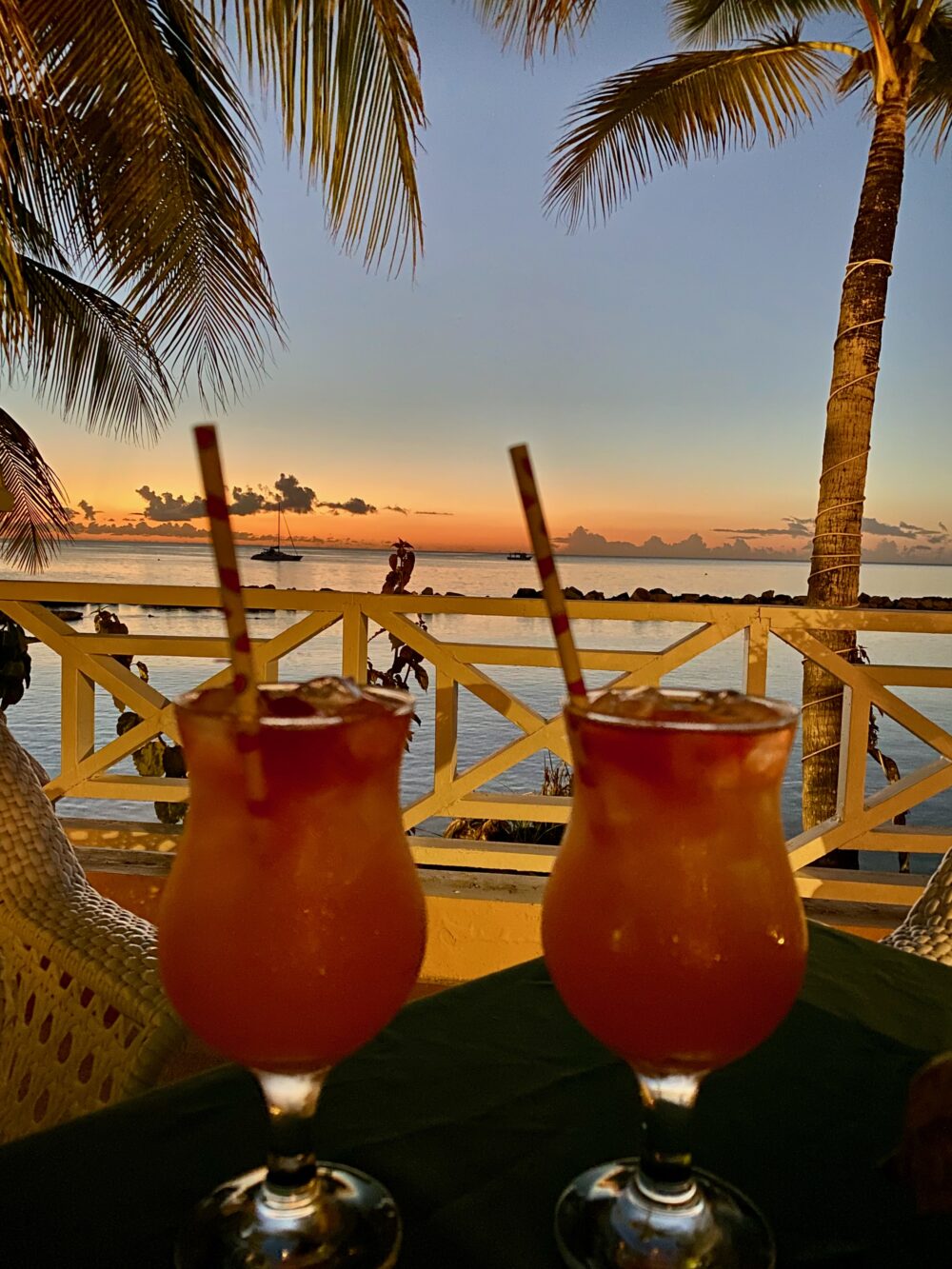
Tobago Island Guide
So there’s my guide to the beautiful small island of Tobago, a must-visit destination in the Caribbean.
I hope this Tobago island guide is useful for planning a trip. For more information, feel free as always to reach out via email and I’ll get back to you as quickly as I can.
Disclaimer: This is an independent guide to Tobago, with all views based on my own experiences. However, it was part hosted by the tourist board.
