
Rio de Janeiro had been on my list for years, and when we finally went in November 2022, it was everything I hoped for and a few things I didn’t expect. We spent ten days in Rio after a few nights in Buenos Aires, based in Leme at the quieter northern end of Copacabana Beach.
Our timing turned out to be perfect. The 2022 World Cup was on, so we watched Brazil play on big TVs with our feet in the sand surrounded by locals, with samba bands rehearsing nearby. We ran along the Copacabana Beach promenade most mornings, played beach tennis with locals despite not sharing a word of the same language, and spent far too long sampling all the best caipirinhas.
I’ll be honest too: not everything charmed me. Some areas felt edgier by day than I expected, and a couple of famous spots were underwhelming. This Rio de Janeiro travel guide covers the practical stuff first, then the best things to do, where to stay and where to eat, so you can plan your own trip with realistic expectations.


Essential info for visiting Rio de Janeiro
| Need to know | Details |
| Visa (UK) | No visa needed for tourism stays of up to 90 days. Check your passport validity before you book. |
| Visa (US, Canada, Australia) | e-Visa required since 10 April 2025. It costs US$80.90 and is applied for online at brazil.vfsevisa.com |
| Currency | Brazilian real (R$). Cards are accepted almost everywhere, including beach kiosks. |
| Language | Portuguese. English is limited outside hotels, so download Google Translate offline. |
| Time zone | Brasília Time (UTC-3), with no daylight saving |
| Flight time from London | About 11 hours 40 minutes direct with British Airways from Heathrow |
| Airport | Rio Galeão (GIG) for international flights; Santos Dumont (SDU) for domestic hops |
| Plugs | Type N (Brazil’s own three-pin) and Type C. Pack a universal adaptor. |

Getting to Rio from the UK
British Airways flies daily from Heathrow to Galeão. From 28 March 2027 the flight becomes a dedicated Rio route, no longer continuing to Buenos Aires. If you want to pair Rio with Buenos Aires like we did, you’ll now need a separate short flight between the two. One-stop routes via Lisbon, Madrid, Paris or Amsterdam are often cheaper.
Best time to visit Rio
Rio is a year-round destination, but each season has trade-offs. May to September is cooler, drier and sunnier, which is ideal for sightseeing. December to March is hot, humid and rainy, but it’s peak season for beach life, New Year and Carnival.
We went in November, a shoulder month. It was hot, with the odd rainy afternoon, and prices were lower than in summer peak.
Rio Carnival 2027 runs from Friday 5 to Tuesday 9 February, ending on Ash Wednesday, 10 February. The top samba schools parade at the Sambadrome on 7, 8 and 9 February. Book flights and hotels many months ahead.


Getting around Rio
We used Uber everywhere. It was cheap, cars were plentiful, and it felt much safer than flagging taxis on the street. Use it for longer hops, after dark and to the airport.
The Metro is clean and air-conditioned. Line 1 links Ipanema, Copacabana and Botafogo to Centro, handy for the historic centre and Lapa. Along the beachfront, walking or running the promenade is the best way to get your bearings.
Is Rio de Janeiro safe for tourists?
Honestly, I felt safer than I expected in Copacabana and Leme. We ran along the beach in the mornings and evenings and walked a lot. The busy, well-lit seafront felt fine.
The historic centre around the Selarón Steps felt more on edge during the day. Oddly, it felt fine at night on a pub crawl in Lapa, when the bars were packed.
The UK Foreign Office says the most common problems for British visitors are theft and pickpocketing around Copacabana, Ipanema, Lapa and Santa Teresa. Tourists have also reported armed robberies on the Corcovado walking trail up to Christ the Redeemer.
My practical tips:
- Take only what you need to the beach: a little cash, one card, and your phone kept out of sight.
- Don’t walk around with your phone in your hand, especially near the road.
- Take the train or a tour to Christ the Redeemer rather than hiking the trail.
- Use Uber at night rather than walking between neighbourhoods.
- Never visit a favela without a reputable local guide.


Best things to do in Rio de Janeiro
1. Live the beach life on Copacabana and Leme
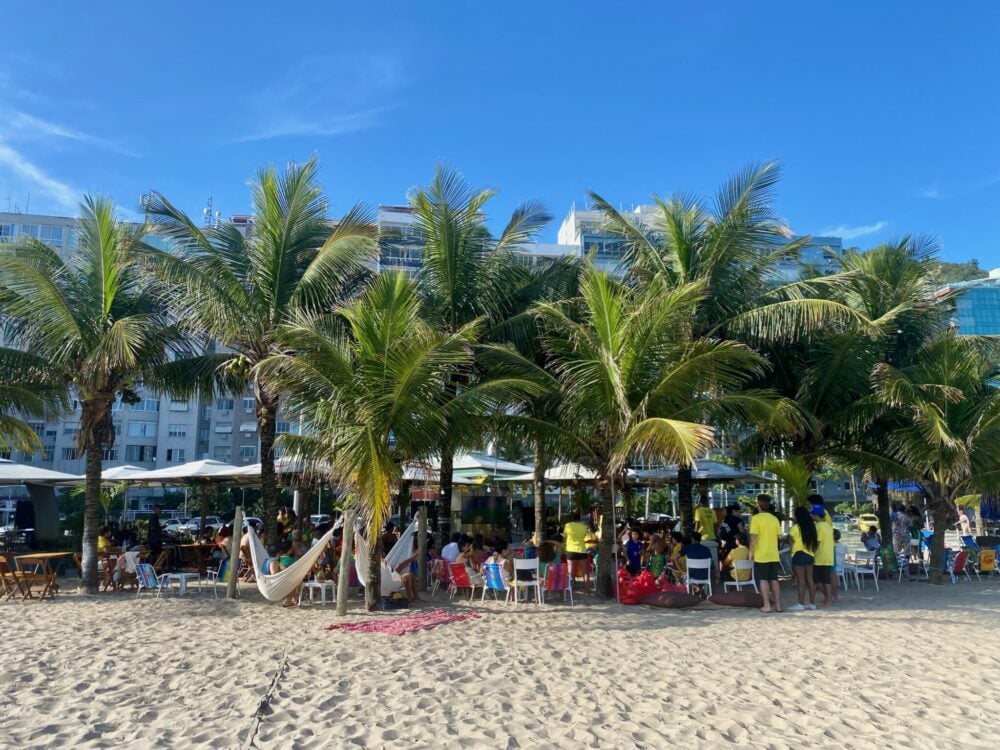
Copacabana was the highlight of our trip. The 4km promenade, with its famous wave-patterned pavement, is perfect for a morning or evening run, and we did it almost every day. Leme, at the quieter northern end, felt more local and relaxed.
We joined a game of beach tennis with locals, despite having no shared language at all. It’s the sport you’ll see everywhere on the sand, alongside volleyball and footvolley. Just hover near a court, smile, and you’ll likely be invited in.
The beach kiosks are where Rio’s social life happens. Grab a chair and umbrella, order a caipirinha or an ice-cold coconut, and stay for sunset. On some evenings we found samba bands rehearsing on the sand, which was magical.
And nothing beat watching Brazil play in the World Cup with our feet in the sand on Copacabana, surrounded by locals in yellow shirts. If there’s a big match on during your trip, head to the beach to watch it.




2. Take a jeep tour through Tijuca Forest
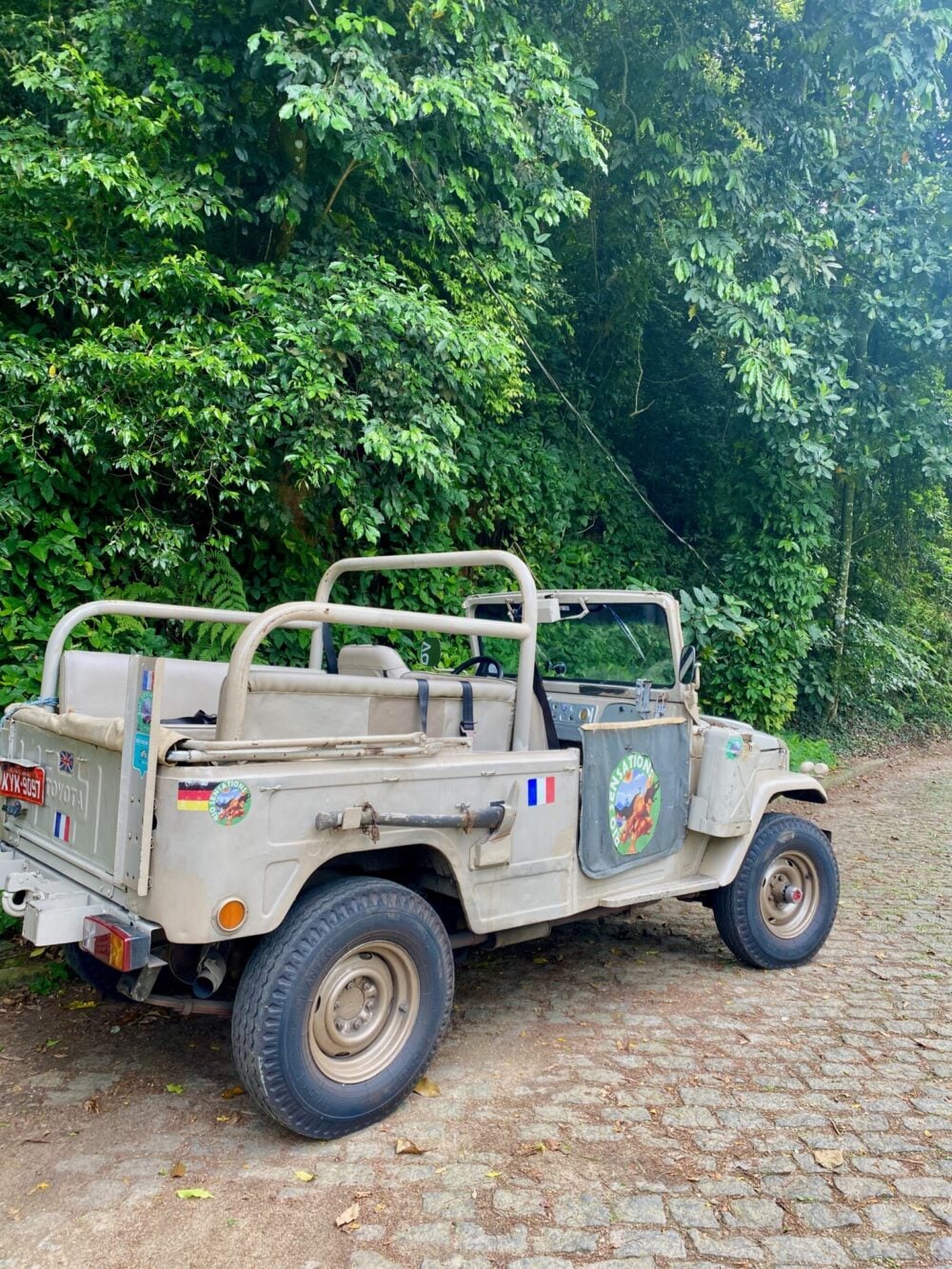
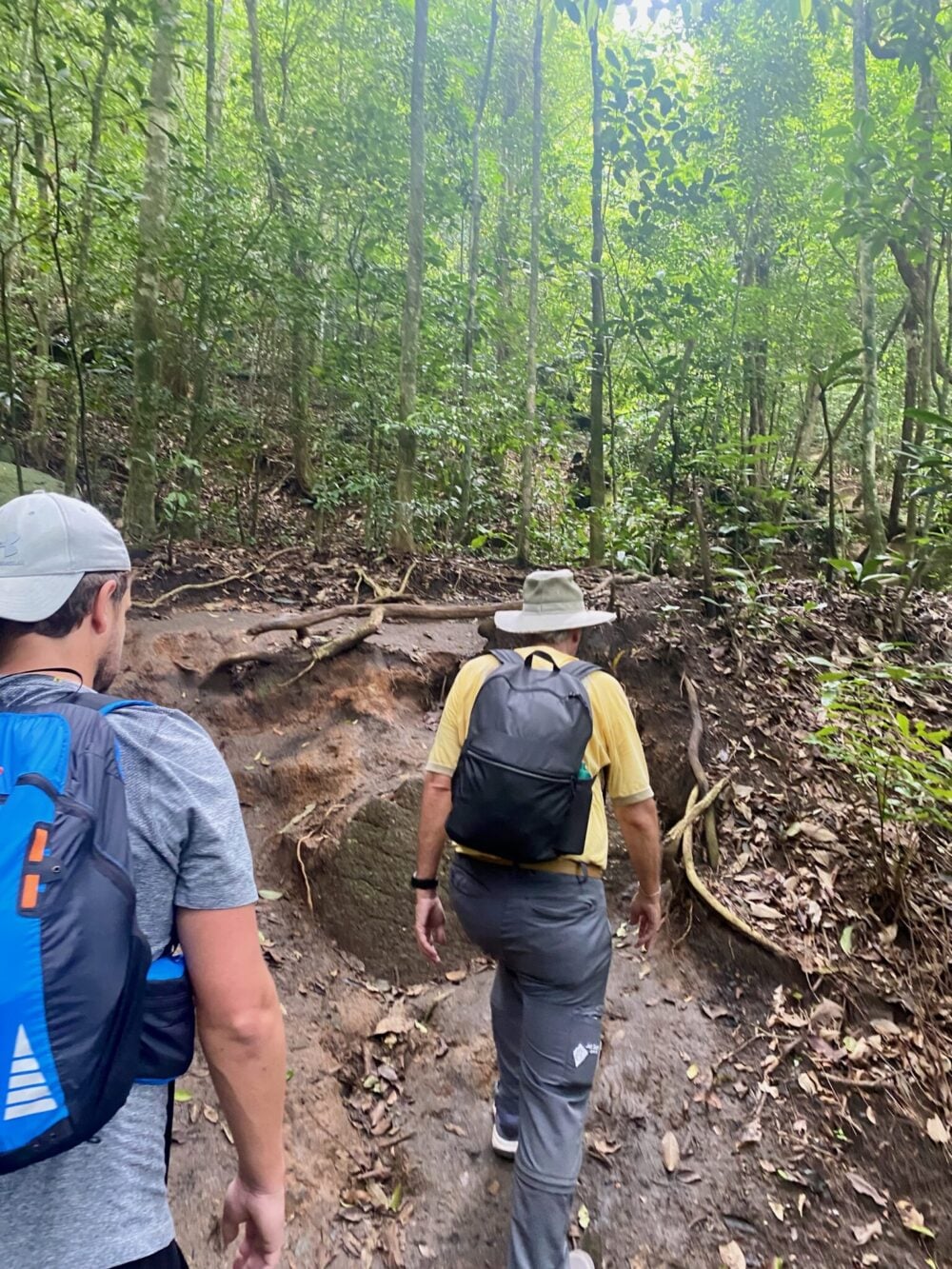
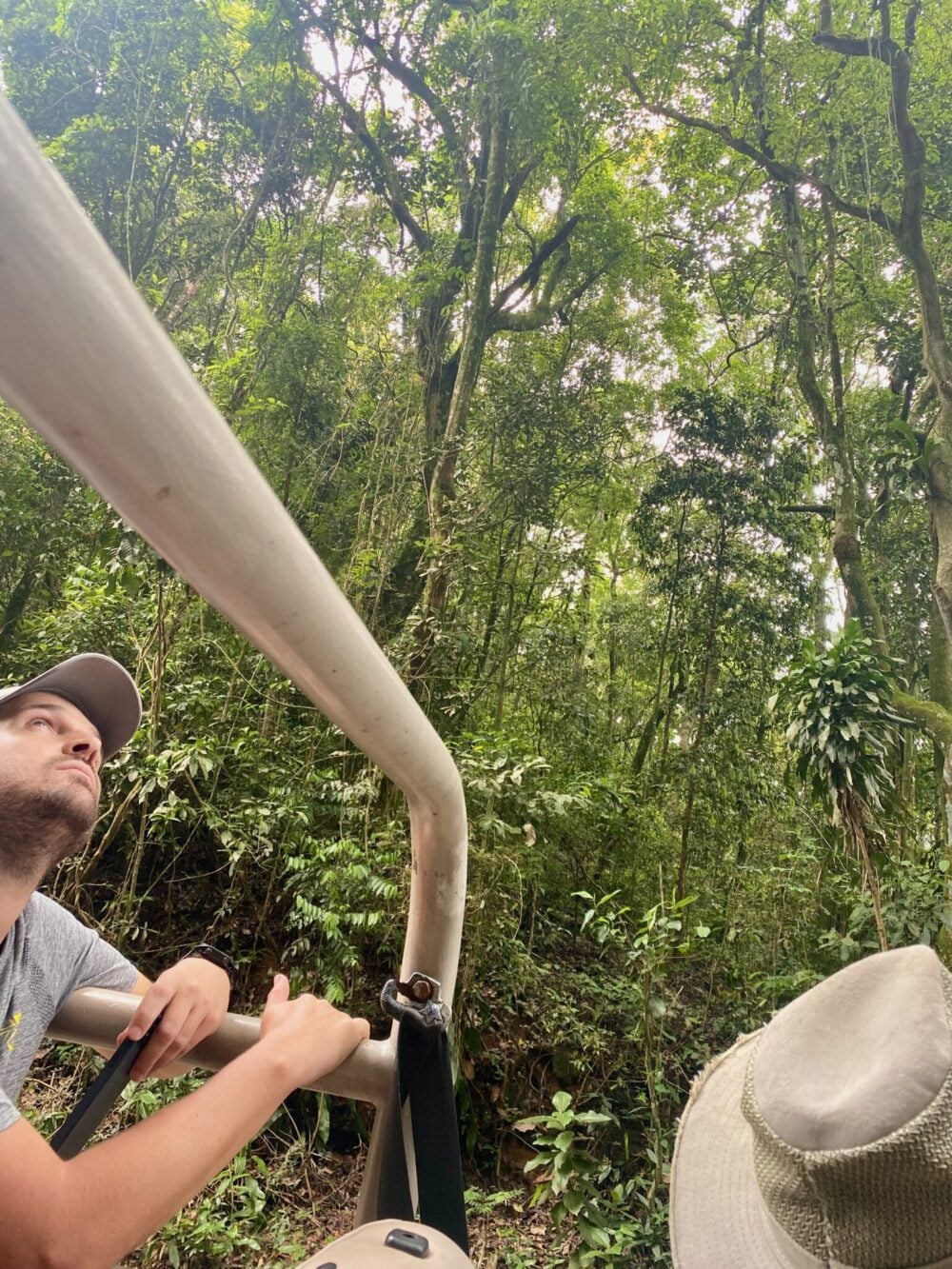
This was one of our favourite days in Rio. We explored Tijuca National Park, one of the world’s largest urban forests, in an open-top vintage Land Cruiser. It felt a world away from the beaches, even though it’s right on the city’s doorstep. And despite not seeing too many tourists around, we felt really safe.
Our stops included:
- Mirante das Canoas: A viewpoint over São Conrado Beach and the giant Pedra da Gávea rock. We could see the Dois Irmãos (Two Brothers) peaks and watched hang-gliders drifting down to the beach.
- Pedra Bonita summit: We hiked to the top past the hang-glider launch ramp. It’s an easy 1.7km trail of about 40 minutes up to a plateau at around 700m, with 360-degree views.
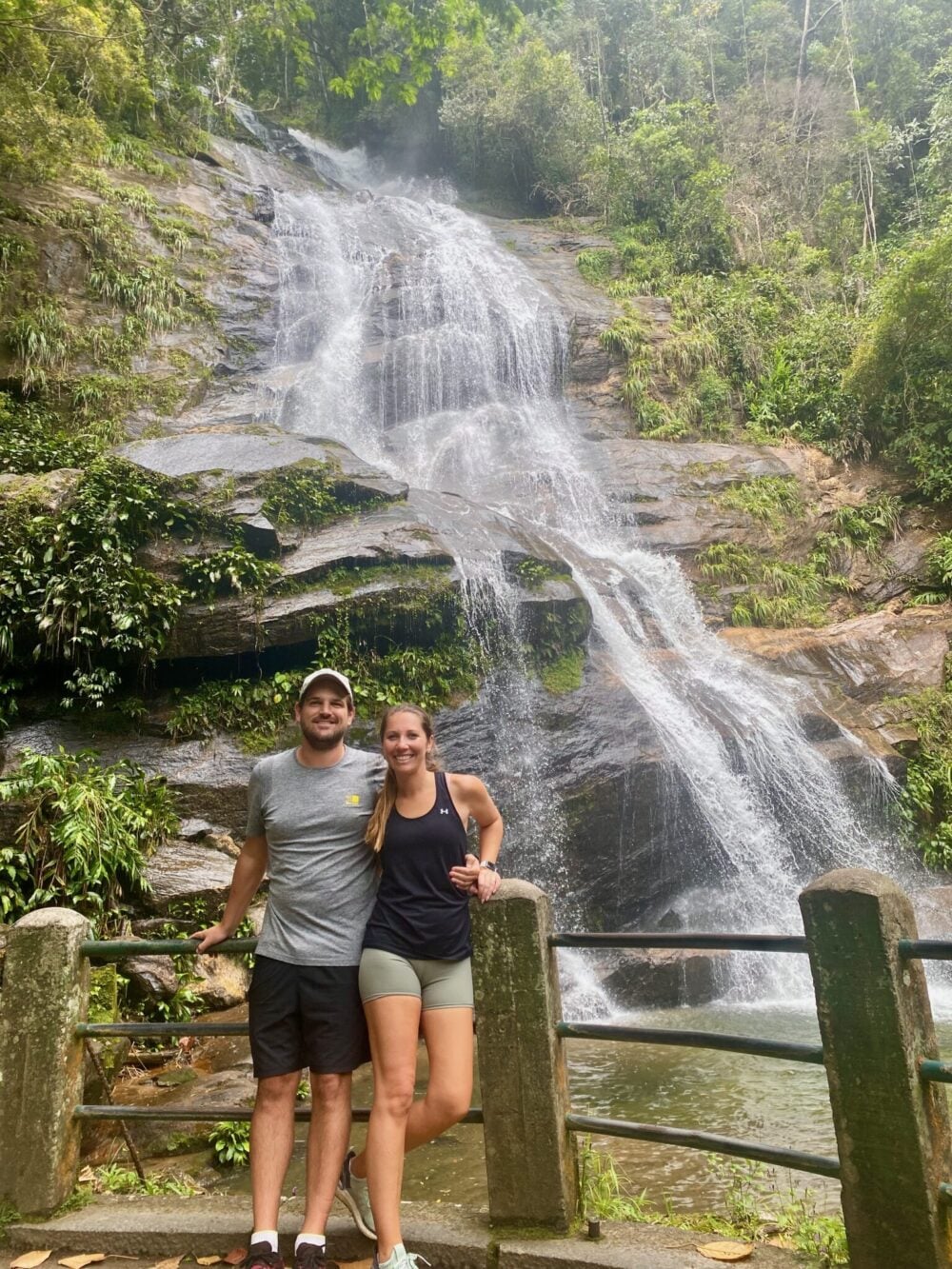
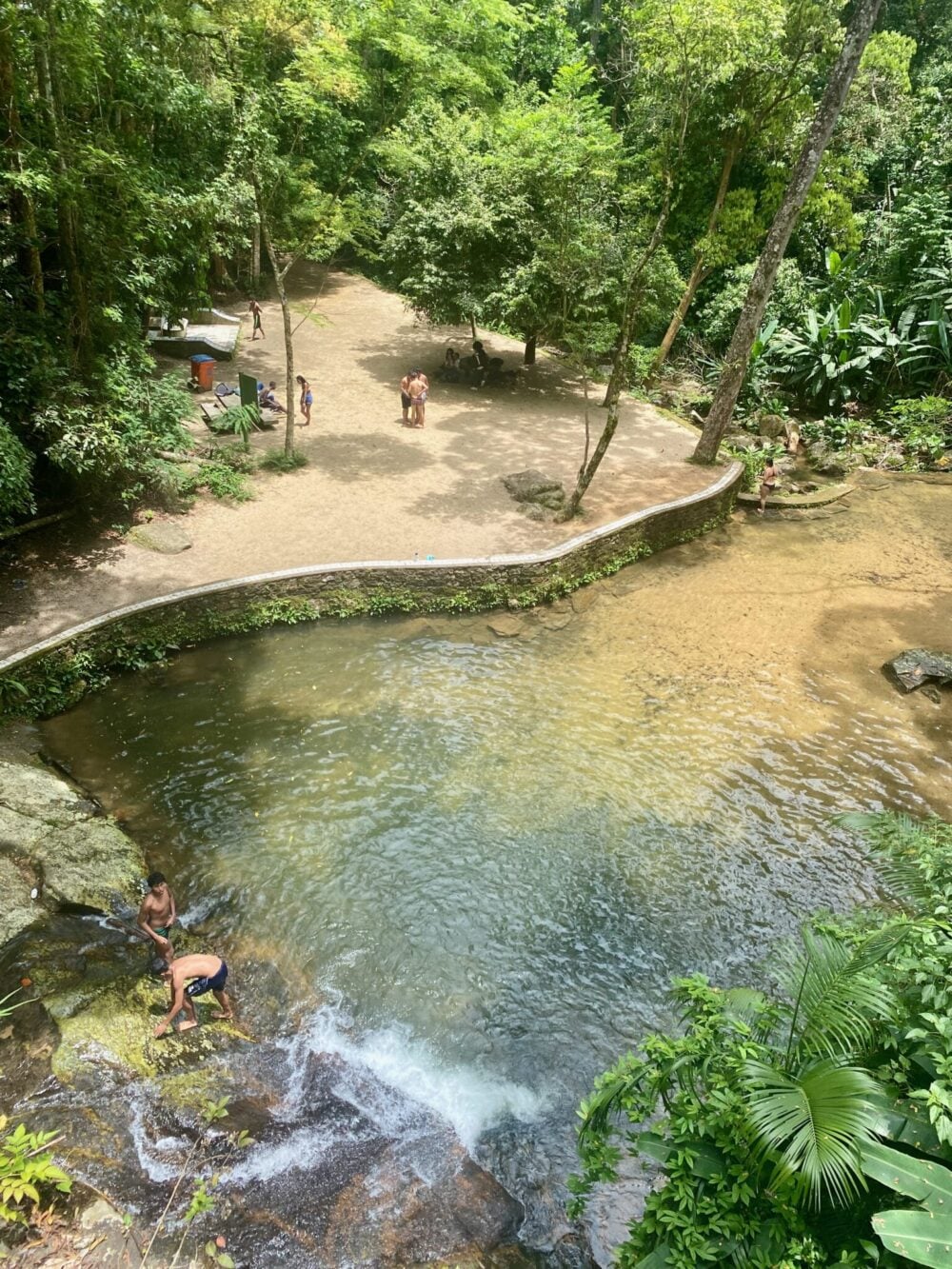
- Cascatinha Taunay: At 35m, this is the tallest waterfall in the park. We cooled off with a swim in the natural pool here, which was bliss after the hike.
- Vista Chinesa: The pagoda-style pavilion has views over Guanabara Bay, Christ the Redeemer and the city skyline.
Tip: Itineraries vary a lot between operators, so check which stops are included before you book. At weekends and in high season, getting to Pedra Bonita to see the hang-gliders can take up to an hour, so go on a weekday if you can.
This excellent small group tour here takes in a similar adventure to ours! (from £50/USD67 per person) or for an open top jeep adventure, there’s this tour, which is also really similar! (from £66/USD87 per person).



3. Explore Ipanema and Arpoador
Ipanema felt a little more polished than Copacabana. We loved wandering the leafy streets behind the beach, which are full of boutiques, juice bars and cafes. Rua Visconde de Pirajá and Rua Garcia D’Ávila are the best for shopping.
There’s a brilliant Havaianas shop in Ipanema too. We loved buying a mountain of flip flops to bring home for all our family!
Finish at Arpoador, the rocky point between Copacabana and Ipanema. At sunset, the crowd often applauds as the sun drops behind the Dois Irmãos mountains.
Why not book a surfing lesson on this beautiful beach? (from £22/USD29 per person)
4. Ride the cable car up Sugarloaf Mountain
Sugarloaf (Pão de Açúcar) was a great experience in Rio. Two cable cars take you from Praia Vermelha up to Morro da Urca, then on to the 396m summit. The views over Copacabana, Botafogo Bay and Christ the Redeemer are incredible.
Go in the late afternoon and stay for sunset. Buy tickets on the official Parque Bondinho website to avoid the queues.
Afterwards, stay in Urca for food. An Uber driver tipped us off about a restaurant at the military club at the bottom, which turned out to be one of our best meals in Rio (see Where to eat). If you have time, walk the flat Pista Cláudio Coutinho path that hugs the base of the mountain.
Book your cable car ticket here in advance. (from £41/USD54 per person)


5. Visit Christ the Redeemer
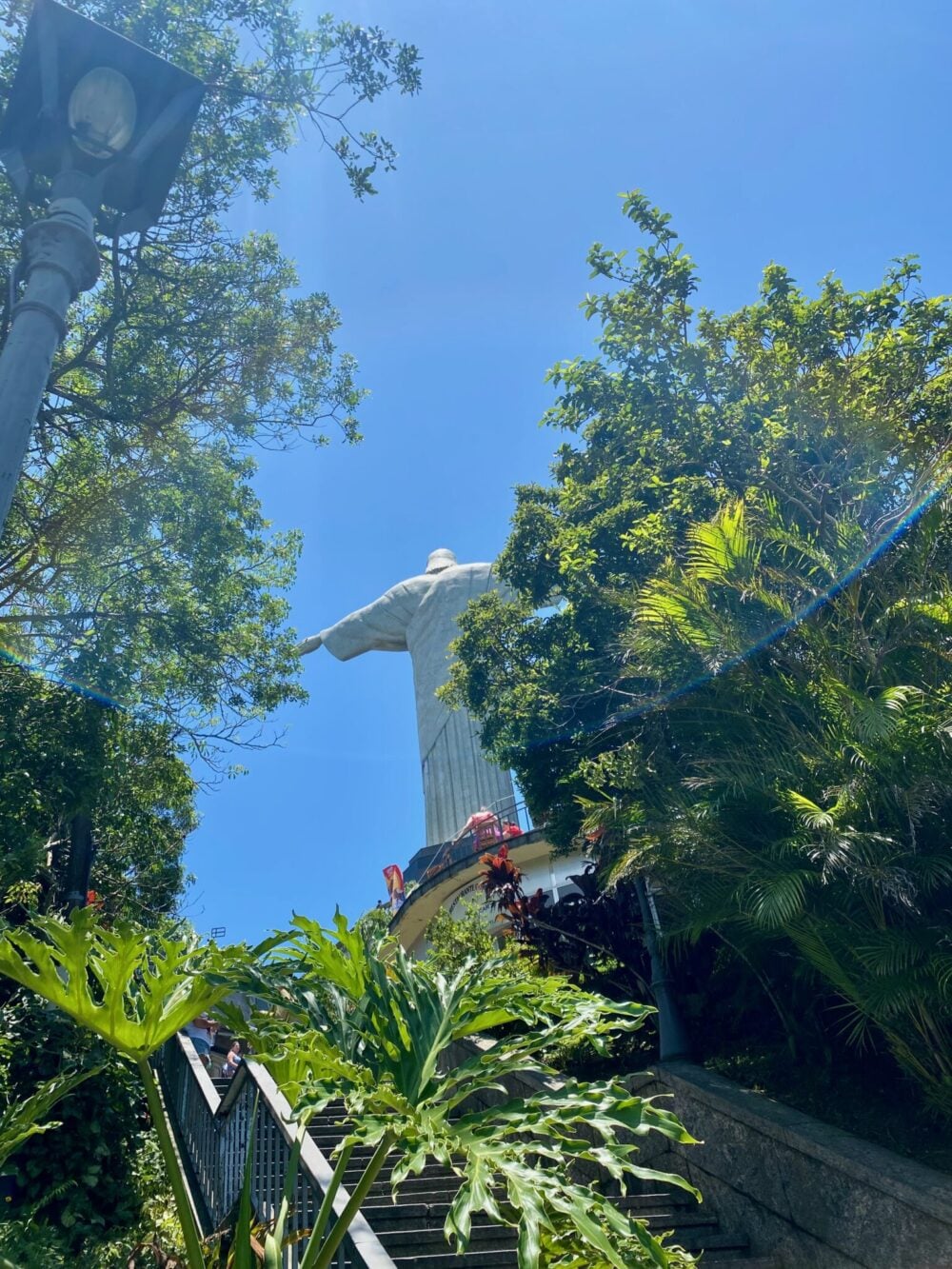
You can’t come to Rio and not see Christ the Redeemer, but go prepared. When we went it was baking hot and very busy, with crowds jostling for the classic outstretched-arms photo.
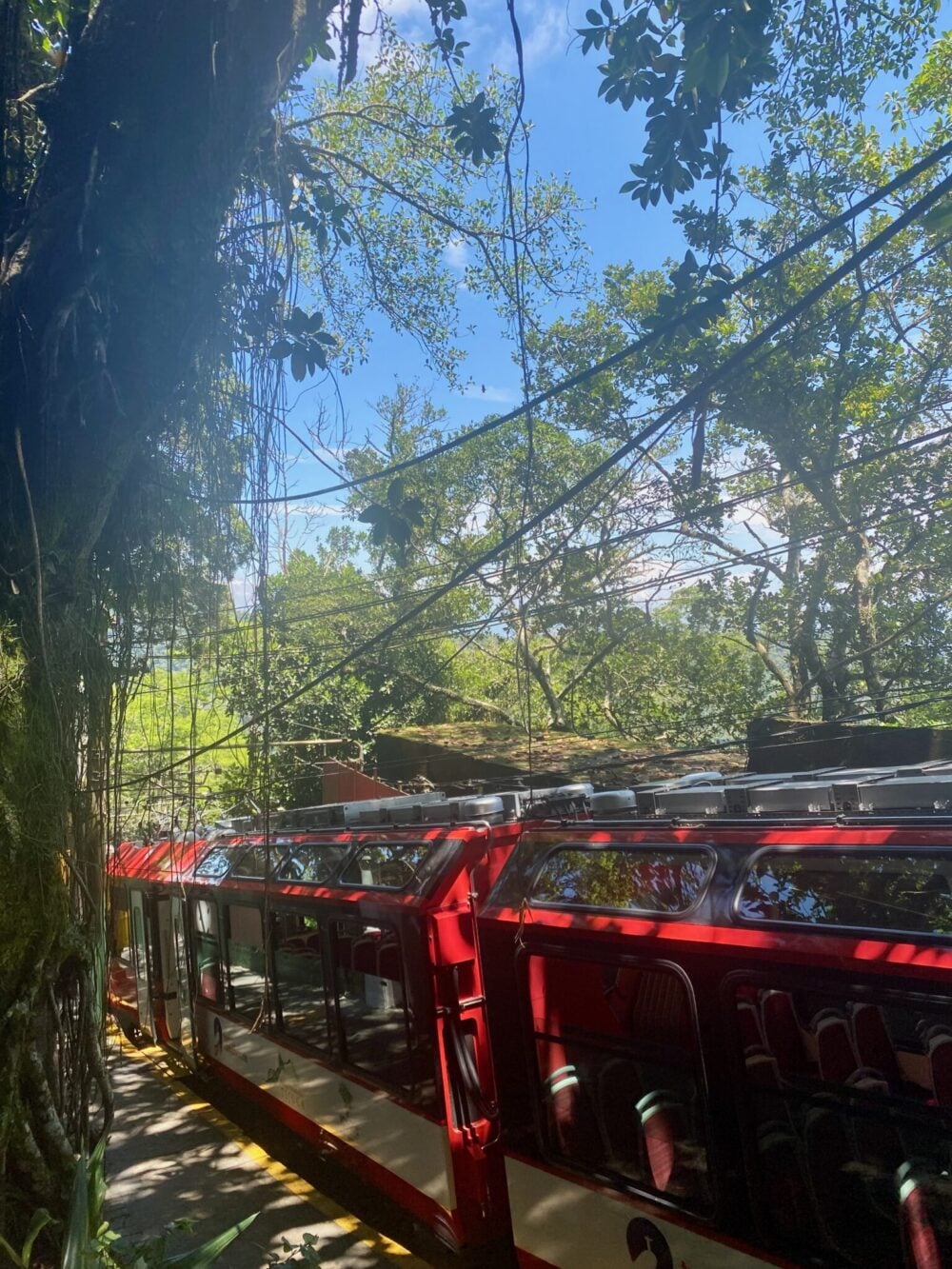
Take the Corcovado cog train from Cosme Velho through Tijuca Forest. An adult ticket costs R$134 and includes the train up and down and entry to the monument. Book the first slot of the day for the smallest crowds and coolest temperatures, and check the forecast, as the statue often disappears into cloud.
Avoid hiking up the Corcovado trail, as there are reports of armed robberies of tourists there.
Book your Christ the Redeemer entry ticket and Corcovado train here (from £37/USD49 per person)
Or why not take Christ the Redeemer in from above on this incredible 30-minute private helicopter flight? (from £191/USD252 per person)



6. Have breakfast by the pool at Parque Lage
Parque Lage is a 1920s mansion at the foot of Corcovado, now an art school. Its courtyard has a striking pool, surrounded by tables from Plage Café, which is known for its breakfast. A seriously beautiful setting!
Look up from the pool and you’ll see Christ the Redeemer framed above the mansion. I recommend combining it with the Botanical Garden (Jardim Botânico) next door.


7. See the Selarón Steps and do a night out in Lapa
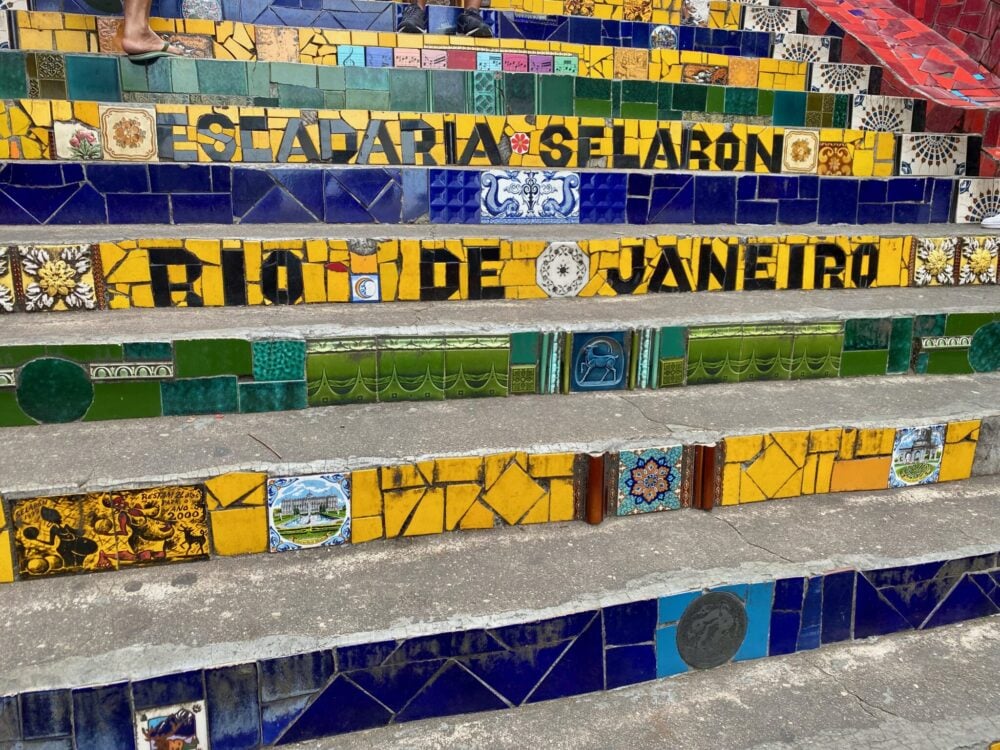
The Escadaria Selarón is a staircase covered in more than 2,000 colourful tiles from around the world, created by Chilean artist Jorge Selarón. It’s a must for photos.
I’ll be honest: the area around the steps felt a little on edge during the day, so keep your phone close and don’t linger with valuables out. Strangely, we felt totally fine in Lapa at night on a pub crawl. The streets under the white Lapa Arches were packed with people, music and street-food stalls. A guided pub crawl is a great way to experience it safely.
We booked this pub crawl here and absolutely loved it! (from £21/USD28 per person)


8. Ride the tram to Santa Teresa
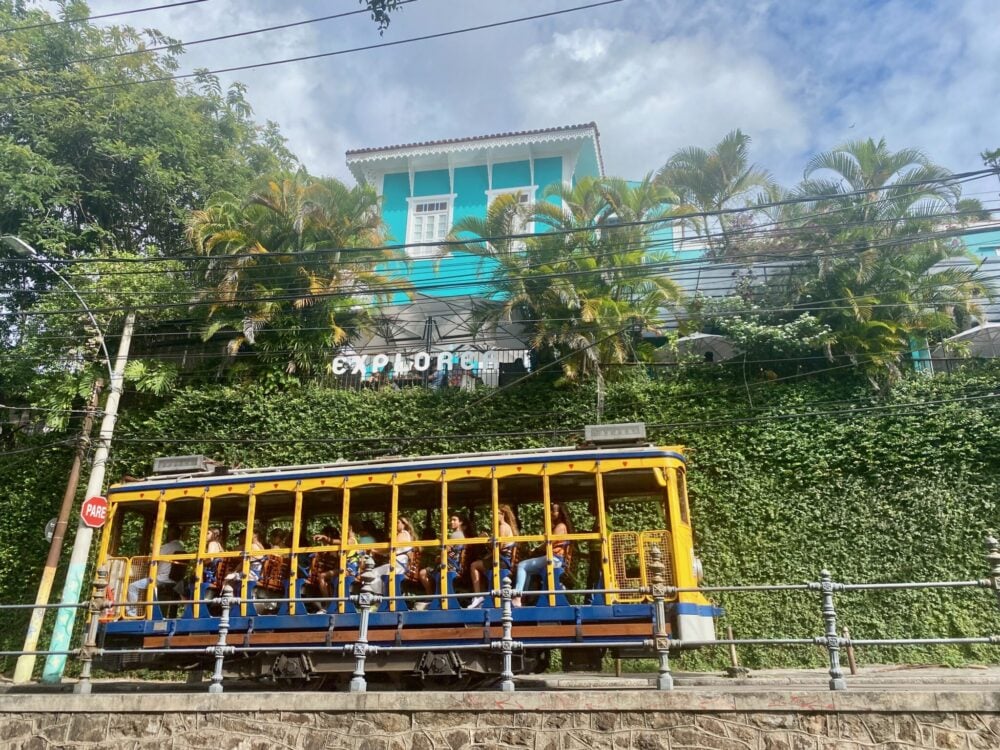
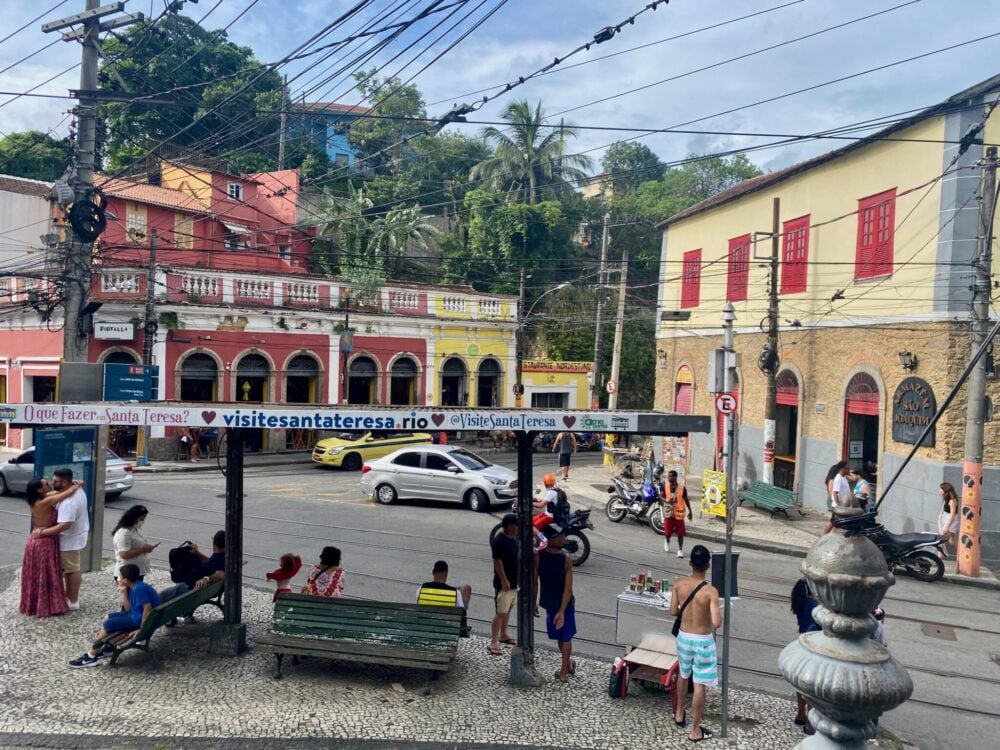
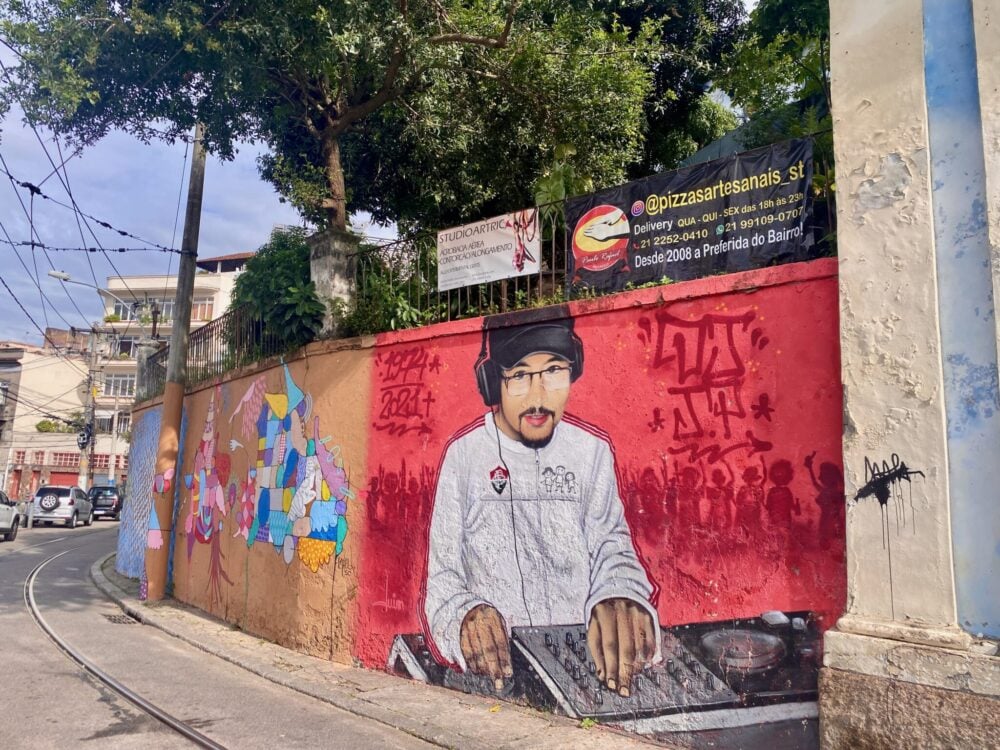
We took the bondinho, Rio’s historic yellow tram, up to the hillside neighbourhood of Santa Teresa. I’d read so much about its bohemian charm, but it didn’t quite win me over. Service in the cafes and restaurants was slow, and it felt less atmospheric than I’d hoped.
I’d say it’s still worth a few hours if you like art studios and colonial architecture.
It’s worth noting also that the tram runs from downtown Rio de Janeiro, and we walked to the stop ‘Centro’ from the Escadaria Selarón. It’s only about 900m but we didn’t feel overly safe on that walk.
Looking back, although we enjoyed exploring this area independently, we might have got more out of it had we joined a tour. I’ve put a couple of tour suggestions here:
- Santa Teresa Tram Tour, Selarón Steps & Lapa (from £54/USD71 per person)
- Historic Rio and Santa Teresa Half-Day Tour (from £47/USD62 per person)
- Santa Teresa Walking Tour & Free Art Workshop (from £29/USD39 per person)
More things to do in Rio
- Catch a football match at the Maracanã stadium
- Maracanã Stadium Football Match Ticket & Private Transport (from £57/USD75 per person)
- Tour the Maracanã Stadium and visit the museum (from £25/USD34 per person)
- Explore the waterfront Museum of Tomorrow (Museu do Amanhã) in the regenerated port area
- Book your tickets to the Museum of Tomorrow and a tour of the Olympic Boulevard here (from £54/USD71 per person)
- Join the Monday-night samba party at Pedra do Sal
- Join this awesome small-group tour where you can learn the history and culture behind Rio’s samba tradition (from £28/USD38 per person)
- Visit a favela on a guided tour with a reputable local company
- I recommend this tour here which comes highly recommended and with excellent reviews (from £25/USD33 per person)
- Go shopping at Rio Sul in Botafogo (you can walk through the tunnel from Leme to here)
- Take a day trip to some awesome natural wonders in the region, such as Ilha Grande or Búzios. Here’s my pick of the best:
- Angra dos Reis and Ilha Grande Full-Day Tour (from £58/USD76 per person)
- Two Brothers Hike in Vidigal – Sunrise or Day (from £35/USD47 per person)
- Pedra da Gávea Rio de Janeiro Summit Hike (from £25/USD33 per person)
- Arraial do Cabo Island Day Trip (from £57/USD75 per person)
Where to stay in Rio de Janeiro
For a first visit, stay in the South Zone (Zona Sul), on or near the beach in Leme, Copacabana, Ipanema or Leblon. These areas are the most convenient and feel the safest for tourists.
Best areas to stay in Rio
| Area | Best for | Vibe |
|---|---|---|
| Leme | First-timers, couples, runners | Quieter, local end of Copacabana; our base for 10 nights |
| Copacabana | Value, beach life, nightlife | Busy, buzzing, the widest choice of hotels |
| Ipanema | Style, shopping, sunsets | More upmarket, leafy streets, great restaurants |
| Leblon | Luxury, families | Rio’s most expensive area, calm and residential |
| Botafogo | Budget, foodies | Local neighbourhood with a great bar scene and metro links |
| Santa Teresa | Boutique stays | Hilltop and arty, but you’ll rely on Ubers |
Where we stayed: Novotel Rio de Janeiro Leme
We stayed at the Novotel in Leme for our whole time in Rio. It’s a 4-star hotel on Rua Gustavo Sampaio, two minutes’ walk from the beach, with a rooftop pool and bar looking over Leme and Copacabana.
It was a brilliant base. We could be on the sand or running along the promenade in minutes, and the Rio Sul shopping mall is about a 15-minute walk away.
Breakfast was pretty nice, and the room was comfortable, but the standout feature was its rooftop terrace. We loved a couple of relaxed afternoons up here and really enjoyed the food and drinks at its rooftop restaurant. Its views stretched all the way along Copacabana Beach.
A double room in low season starts from about £112 per night.
Check rates and latest availability for the Novotel in Leme here.


Luxury hotels in Rio
- Belmond Copacabana Palace: Rio’s most famous hotel, a 1920s Art Deco icon facing Copacabana Beach. We just wandered in to see its interior but I’ll admit we were a bit underwhelmed. It’s worth going for a drink to see the glamour for yourself, but don’t expect to be blown away. Double rooms start from around £568 per night. Check latest rates for Belmond Copacabana Palace here.
- Hotel Fasano Rio de Janeiro: A Philippe Starck-designed hotel on Ipanema Beach with a famous rooftop infinity pool. Double rooms from around £550 per night.
- Emiliano Rio: A sleek boutique hotel on Copacabana Beach with a rooftop pool and excellent restaurant. Double rooms from around £503 per night.


Mid-range hotels in Rio
- Hilton Rio de Janeiro Copacabana: In Leme, with 545 rooms over 39 floors and some of the best sea views on the beach. Double rooms from around £170 per night.
- Windsor Leme: A beachfront hotel at the north end of Copacabana with a rooftop pool overlooking Leme and Copacabana. Double rooms from £128 per night.
Budget hotels in Rio
- ibis Rio de Janeiro Botafogo: Simple and good value, close to the metro. Double rooms from around £58 per night.
- Dora Residence: A boutique hotel and hostel in a classical building in Lapa. Great for nightlife, but use Ubers after dark. Double rooms from £34 per night.
Where to eat and drink in Rio de Janeiro
Terra Brasilis at the Military Club, Urca
This was the Uber driver’s tip, and it was one of our best meals in Rio. Terra Brasilis sits on top of the military club building (Círculo Militar) right on Praia Vermelha, at the foot of Sugarloaf Mountain. The views of the beach and Sugarloaf are spectacular.
There’s a pay-by-weight buffet at lunchtime and an à la carte menu from midday until midnight. Combine it with your Sugarloaf trip.
I had the Mineirinho which was so, so delicious. It’s a dish of short rib ragu, creamy polenta, and crispy kale.


Copacabana and Leme beach kiosks
The beachfront kiosks (quiosques) were our happy place in Rio. Order caipirinhas, ice-cold beer and petiscos (sharing snacks), such as pastel, fried cheese with oregano, or bolinhos de bacalhau (salt cod fritters). We would spend entire afternoons moving along from beach bar to beach bar. Fortunately, one of our favourites was directly by our hotel which was handy, as their caipirinhas were strong!
Churrascaria Palace, Copacabana
You can’t leave Rio without trying a churrascaria, a rodízio barbecue where waiters bring endless cuts of meat to your table. Churrascaria Palace has been doing it since 1951 and is one of the best known in the city.
Confeitaria Colombo, Centro
Founded in 1894, this Belle Époque cafe is one of Rio’s most beautiful buildings. Stop for coffee and pastries when you explore the historic centre.
Salomé, Leme
An open-sided bistro on the Leme beachfront, from the team behind Ipanema’s popular Canastra wine bar. It’s a great choice for a relaxed dinner if you’re staying in Leme.
Plage Café, Parque Lage
Breakfast or brunch by the courtyard pool, with Christ the Redeemer looming above. The setting is the star here, so go for the experience, even if there are queues to take photos.

Bar Urca and the Mureta da Urca
Grab a cold beer and a pastel from Bar Urca and sit on the sea wall (the mureta) with the locals at sunset. It pairs perfectly with a Sugarloaf afternoon.
Bars in Lapa
Lapa is Rio’s nightlife hub, especially from Thursday to Saturday. Expect packed streets, samba clubs and cheap caipirinhas. We enjoyed a pub crawl led by a group of locals one Thursday night. It started with shots underneath the Lapa Arches and drinking games, before proceeding between a variety of bars and clubs in Lapa. I couldn’t tell you where we went – just that it was fun!
Juice bars
Rio’s juice bars are everywhere. Try açaí, fresh mango or passion fruit juice. Bibi Sucos has branches across the South Zone, including Leme.
Rio de Janeiro FAQs
Most visits are trouble-free if you stay in the South Zone, keep valuables out of sight and use Uber at night. Petty theft is the main risk, especially on the busy beaches, in Lapa and in Santa Teresa.
Five days covers the main sights. With 7 to 10 days, like us, you can slow down, enjoy beach life and add a day trip.
UK travellers don’t need a visa for stays of up to 90 days. US, Canadian and Australian travellers need an e-Visa, which costs US$80.90.
Copacabana and Leme offer better value and a livelier beach scene. Ipanema is more upmarket, with better shopping and restaurants.
Friday 5 to Tuesday 9 February 2027, ending on Ash Wednesday, 10 February.
Yes. We used it everywhere and found it cheap and reliable. It’s the easiest way to get around after dark.

Final thoughts: is Rio de Janeiro worth visiting?
Absolutely. Rio lived up to the hype in all the ways that mattered to us: the beach life, the energy, and those jaw-dropping views from Sugarloaf and Tijuca Forest. Watching Brazil play in the World Cup on Copacabana Beach is still one of my favourite travel memories.
But not everything charmed me. Santa Teresa and the Copacabana Palace didn’t quite live up to their reputations, and some areas felt edgy by day. Still, with a bit of common sense, I felt far safer than I’d expected. There’s plenty I didn’t get round to, from the Maracanã to day trips to Ilha Grande and Paraty, so a return trip is definitely on the cards!
If you’re planning a trip, base yourself in Leme or Copacabana, use Ubers to get around, and leave time to simply enjoy the beach like a local. Combining it with Buenos Aires, like we did, makes it an unforgettable South America adventure.
Planning more of South America? Read my Buenos Aires guide, and save this post to Pinterest for later.
