
Manila is the crazy capital city of the Philippines, yet it far less visited than the other islands. Whilst Manila may lack the temples and traditions of places such as Bangkok or Hong Kong, it is still the heart of this beautiful country and should be included on any Philippines itinerary. I’ve spent a good amount of time in Manila, and I think the city is definitely worth a visit, even if only for one day.
This overview to one day in Manila should give you a good feel for the city. I’ve aimed to pull together some of the essential information you need to know before visiting Manila as well as include some of the top things to do in one day in this interesting and cosmopolitan city!
One Day in Manila: Useful Information
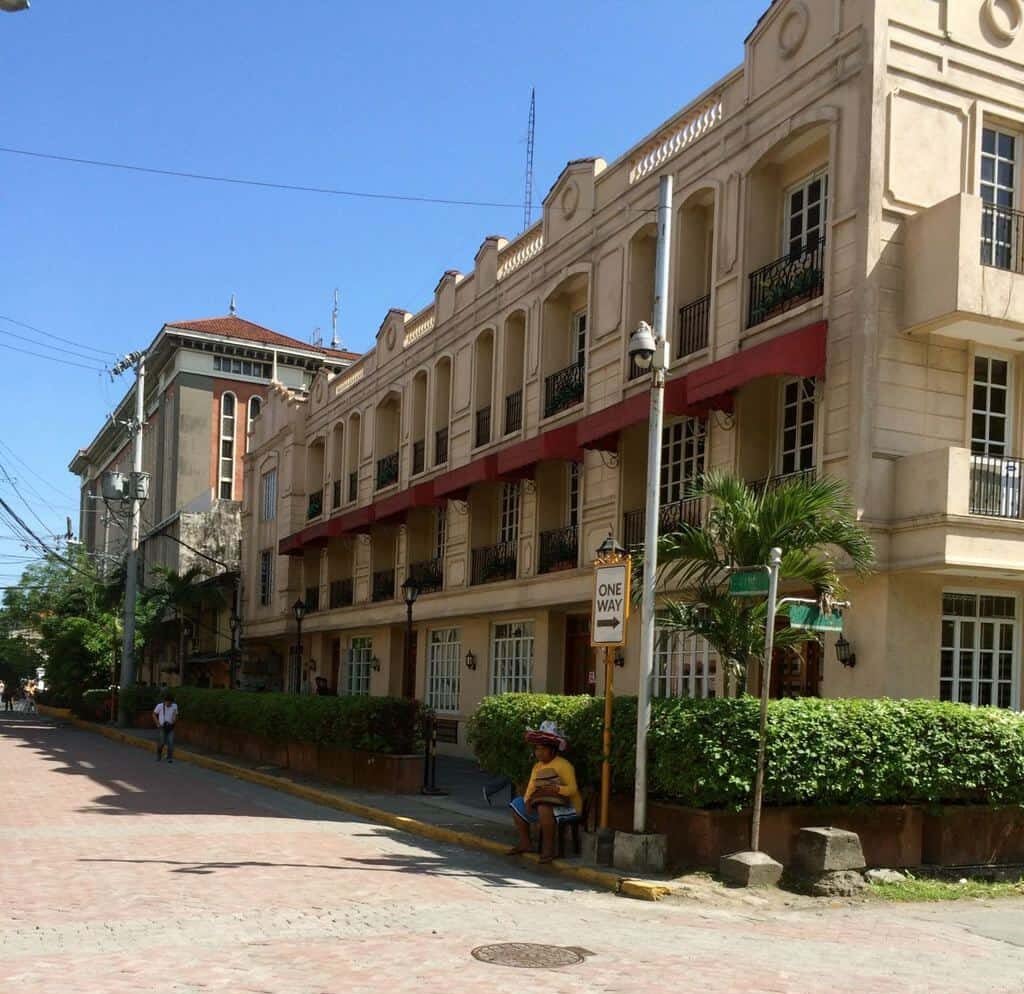
Where is Manila and How to Get There
Manila is located on the island of Luzon, which is a huge island mass at the heart of the Philippines’ 7000 islands. It is the world’s most densely populated city, with an incredible 74,000 people per sq km.
From the sky, it is one of the most incredible places I have ever landed into and seeing Manila from above is truly awesome.
Manila is most likely where your international flight will land, but I urge you to explore the city for one day (or a couple of days) before heading to the other islands.
How to get around Manila
Getting around Manila can be a bit tricky. The public transport in Manila is quite complicated and not very tourist-friendly. If you can, try and take a ride in a traditional jeepney before they are fully phased out. These are converted World War 2 trucks, often painted in bright colours.
These awesome classic, individually-owned jeepneys are gradually being phased out under a long-running government modernisation programme. Routes are being consolidated onto newer, standardised (often electric) vehicles, with the government’s target is full rollout by the end of 2026. Although you’ll still spot plenty of the old-style jeepneys around for the time being, especially as the transition has taken longer than originally planned.
Otherwise, Grab is a popular option for getting around Manila. Motorbike-taxi apps like Angkas, along with JoyRide and Move It, are other options locals use to get around traffic.
Practical info for visiting Manila
A few extra practical things worth knowing before you go:
Currency: The Philippine Peso (PHP) is used everywhere. Credit cards are widely accepted in hotels, malls and larger restaurants, but it’s worth carrying cash for street food, jeepneys, tricycles and smaller local shops.
Tipping: Many restaurants already add a service charge to the bill, in which case an extra tip isn’t expected, so check your bill before adding more. Where there’s no service charge, a tip is appreciated. For things like massages or personal services, PHP 50-100 is a reasonable tip.
Safety: Manila is generally safe for visitors who stick to well-known areas such as Makati, Intramuros, Bonifacio Global City (BGC) and Ermita/Malate. As with any big city, keep an eye on your belongings, avoid flashing valuables, and be alert to the usual scams that pop up in busy tourist areas.
Best time to visit: The cool, dry season from November to February is generally the most comfortable time to explore the city, with lower humidity and milder temperatures. March to May is hot and can be genuinely brutal for a day of sightseeing (with temperatures regularly over 35-40°C), while July to September is the wettest stretch. So it’s worth timing an outdoor-heavy day like this one around the weather if you have the flexibility.
Where To Stay in Manila
Manila has a huge number of luxury hotels at very affordable prices, many of which cater to a large number of business travellers.
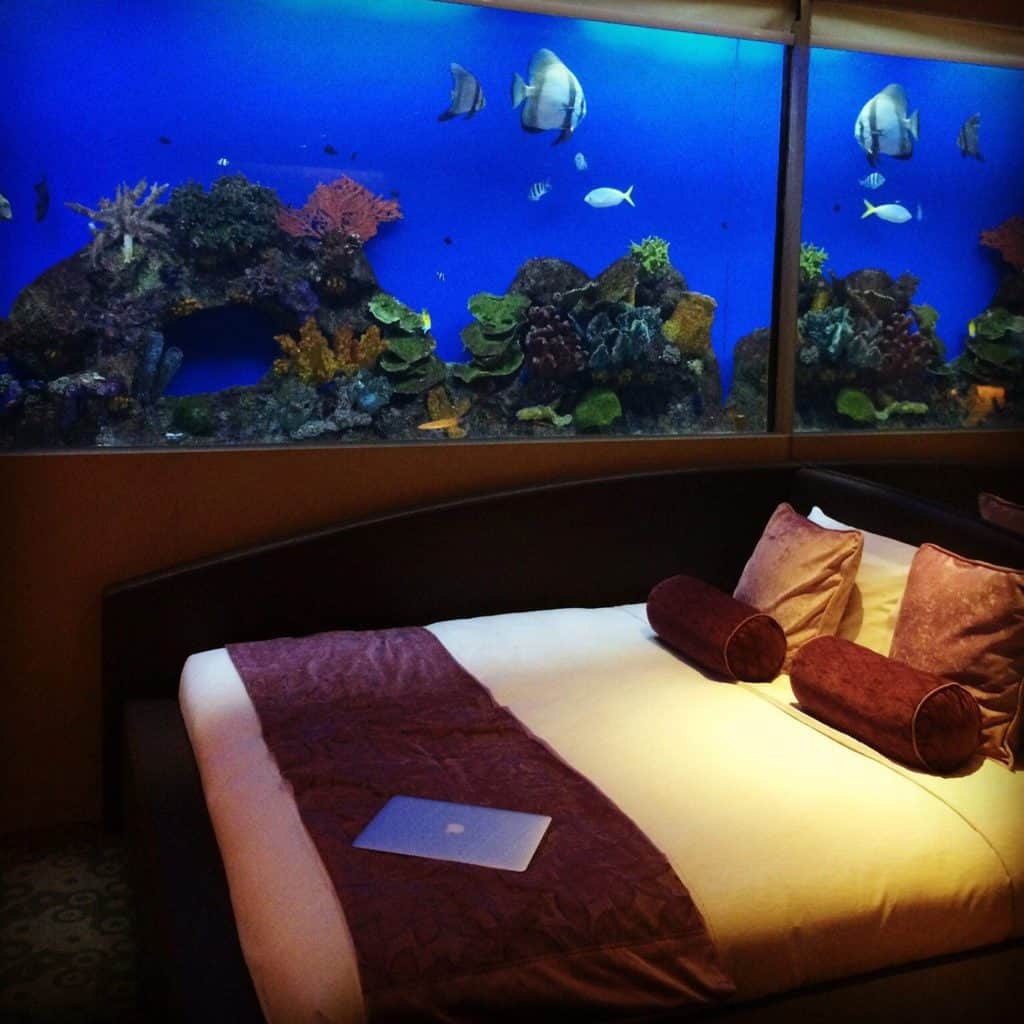
I’ve stayed in several different hotels and hostels in Manila, including the epic H2O hotel (double room from £75 per night). Where else can you stay in a hotel as cool as this!
Other options include:
- The best hostel in Manila – Z Hostel (£15 for a bed in a dorm room)
- Great value hotel – Red Planet Manila Bay Hotel (double room from £35 per night)
- Luxury hotel: Raffles Makati (double room from £272 per night)
- You can search for other hotels in Manila hotels here

Where To Eat in Manila
I haven’t found a huge amount of amazing food in Manila on my visits. However, for me, an absolute stand out place is the vegetarian/vegan spot Corner Tree Cafe in Poblacion, Makati.
The atmosphere is lovely and the food is delicious – make sure to try the spinach and mushroom lasagne and the banoffee pie! Makati is generally a good place to look for great cafes and bars in Manila.
It’s worth trying a few classic Filipino dishes while you’re in the city. For breakfast, look out for tapsilog (marinated beef, garlic rice and a fried egg) or longsilog (Filipino sausage with garlic rice and a fried egg). Both are hearty, cheap, and widely available.
Binondo: the world’s oldest Chinatown
A short walk from Rizal Park, across the Pasig River via the historic Jones Bridge, is Binondo – widely considered the world’s oldest Chinatown, established back in 1594. It’s one of the best food stops in the whole city. Ongpin Street is the main artery, lined with stalls and small restaurants serving dumplings, noodles, mooncakes and Chinese-Filipino specialities at very reasonable prices. It’s a great spot to just wander and eat your way through, rather than sticking to one restaurant.
What To Do and See in Manila in One Day
Intramuros
The key attraction in Manila is the area of Intramuros, known as the Walled City. This beautiful area was founded by the Spanish in 1571 as the centre of its conquest of the Philippines. For over 400 years, Intramuros was the centre of Spanish political, religious and military power in the region.
Sadly, by the end of WW2 much of Intramuros was in disrepair, with only the San Agustin Church standing fully intact.
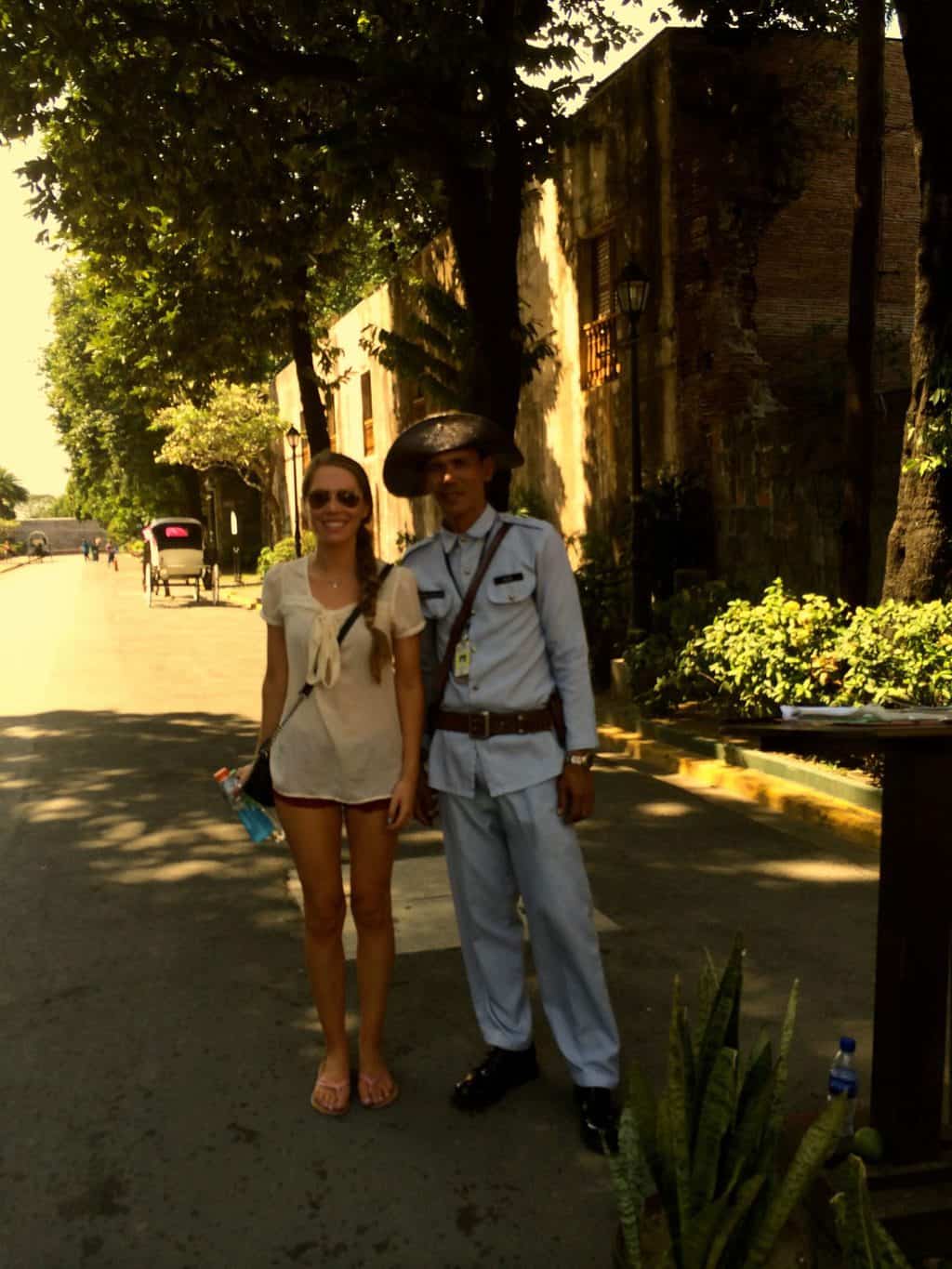
However, the whole area has been beautifully restored and today, Intramuos is a great attraction to visit in Manila. Expect horses and carriages rather than the mad traffic of the city outside.
As well as the church, two more landmarks are well worth seeking out by name. Fort Santiago is a 16th-century Spanish citadel and one of the most-visited single sites in the Walled City. It’s also where Filipino national hero José Rizal was imprisoned before his execution, and you can visit his former cell. Entry costs around PHP 75 for regular admission, and it’s open daily.
A short walk away, Manila Cathedral is free to enter and worth a look even if you’re not planning to visit every church in Intramuros. It’s the seat of the Archbishop of Manila and has been rebuilt several times over the centuries after fires, earthquakes and wartime damage.
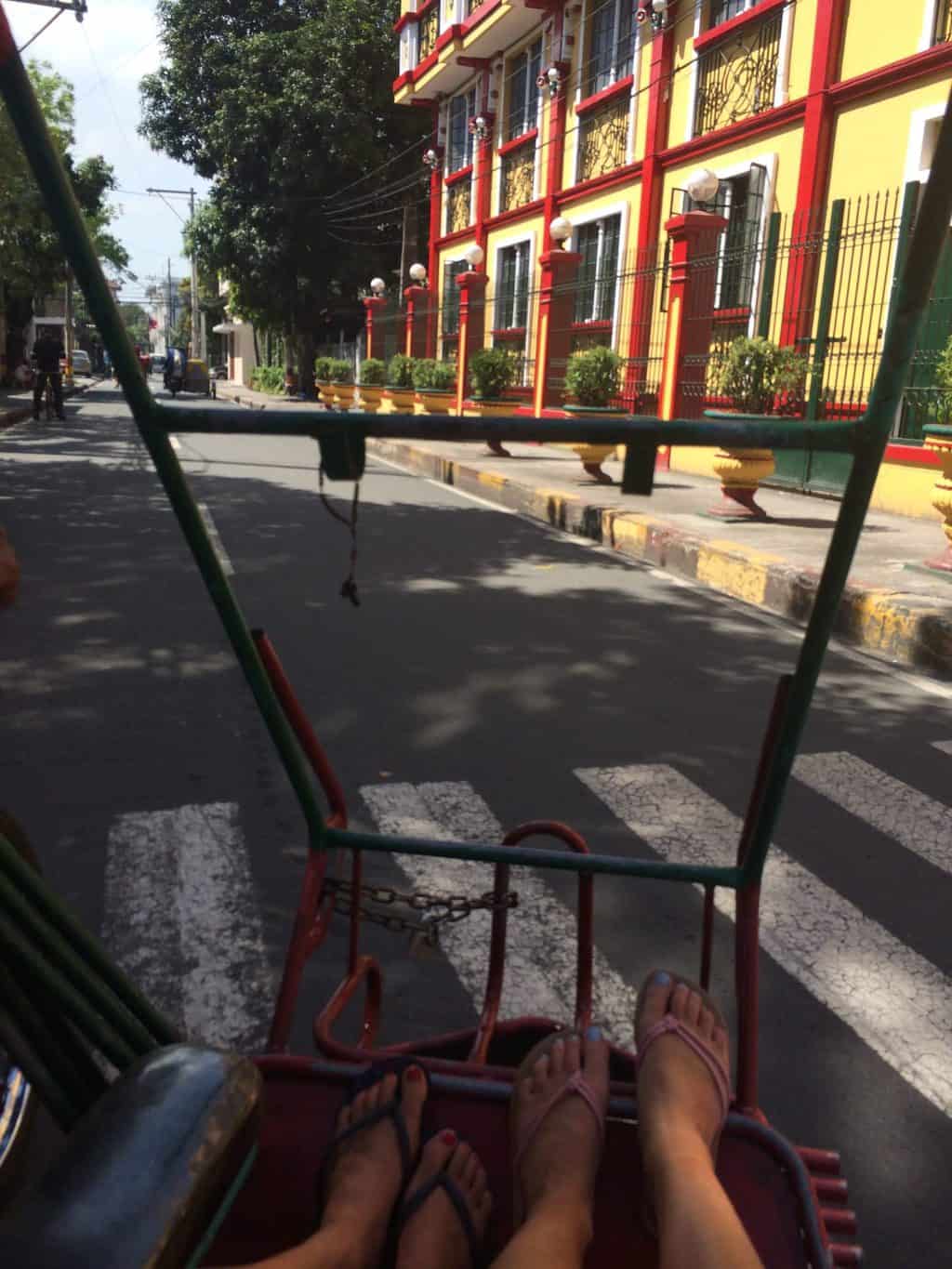
The best way to explore Intramuros is to pay for a guided tour by a local. There are plenty of guides around offering their services. Their knowledge of Intramuros and of the history in the Philippines is invaluable. A lot of the local guides do the tour by bicycle rickshaw, which is a lot of fun!
You can also arrange this in advance with one of the below tours:
- Old & New Manila City Tour (from £59 per person)
- Bamboo Bike tour in Intramuros (from £18 per person)
Rizal Park
Right next door to Intramuros is Rizal Park (also known as Luneta Park), one of the largest urban parks in Asia at around 60 hectares of open lawns, gardens and paved walkways. It’s free to wander around, and makes for an easy, relaxing contrast after history-heavy Intramuros.
The park’s centrepiece is the Rizal Monument. This is a bronze statue and obelisk dedicated to José Rizal, the national hero of the Philippines, marking the spot near where he was executed in 1896. If you’re an early riser, it’s also worth knowing that locals gather here from dawn for tai chi and arnis de mano (Filipino martial arts) practice, making it a nice, quieter side of the park most tourists miss by visiting later in the day.
National Museum of the Philippines
If you want a deeper dive into Filipino history and culture, the National Museum of the Philippines is spread across several branches near Rizal Park, including the National Museum of Fine Arts and the National Museum of Anthropology. Best of all, general admission is completely free for everyone. It’s open Tuesday to Sunday, 10am-5pm (closed Mondays), and is a great way to spend an hour or two, particularly if the midday heat has you looking for some air conditioning.
The other main attractions in the city include exploring Manila Bay, which is home to one of the biggest shopping malls in Manila and Manila Ocean Park. This a great place to spend the day and definitely one of the best things to do for families in Manila.
Attractions near Manila
Manila is also a fantastic base from which to explore other attractions on the island of Luzon. For example, Manila is the starting point for journeys to North Luzon to see them famous Banaue rice terraces. Closer to Manila, there are also some amazing day trips including places such as the Taal Volcano and the Pagsanjan Falls.
It’s worth noting that the Taal Volcano has remained volcanically active in recent years, including periodic minor steam-driven eruptions through 2026. The volcano has been kept at an official low-level unrest alert by the Philippine volcanology institute. Access to the volcano island itself is restricted during periods of heightened activity, so it’s well worth checking the current PHIVOLCS alert level.
Day trips are best done through organised tours – here are some great choices to book ahead of time:
- Full Day Manila City, Taal Volcano and Tagatay Tour (from £155 per person)
- Taal Volcano Tour (from £92 per person)
- Pagsanjan Waterfall Tours (from £137 per person)
Manila Guide
So there you have my guide to exploring Manila in one day. Whilst you could stay for longer, 24 hours is a good amount of time to get a feel for the capital of the Philippines. Hopefully this blog post on Manila in one day is useful in planning your own Philippines itinerary.
Feel free to drop me a line if you would like any advice or further recommendations.
You may also find several of my other blog posts useful on the Philippines:
- Philippines Travel Guide: Everything You Need to Know Before visiting
- Complete Guide to Island Hopping with Tao Philippines
- El Nido Palawan, Philippines – Everything You Need to Know Before Visiting
- Guide to El Nido: The Best Activities in El Nido, Philippines
- Kitesurfing in Boracay, Philippines: The Complete Guide
- 3 Week Philippines Itinerary – A Guide to the Best Islands to Visit
- A Guide to Visiting Kawasan Falls on Cebu Island in the Philippines
- Swimming with Whale Sharks in Cebu in the Philippines: A Guide & Ethical Debate
- Guide to Bohol Island in the Philippines: The Best Things to See and Do
- Review of Bohol Bee Farm: The Best Place to Stay on Bohol Island in the Philippines
- 10 Reasons Why You Should Go to Boracay in the Philippines in 2027
Disclaimer: This visit to Manila in the Philippines was entirely paid for by myself and there was no involvement from the tourism board or a hotel. This is an independent guide.
Enjoyed my guide to one day in Manila? Pin it!

I will be staying in Manila one day and I got some great ideas here. Thnx!
Informative!!!
Thank you so much for all about Philippines stories. Because I hope to travel Philippines
Manila is often overlooked by travelers rushing to the beaches, but this guide highlights why the city deserves a place on every Philippines itinerary.