When a wedding invite landed in our inbox in Grand Junction, we realised quite quickly that a Colorado road trip was on the cards. Grand Junction is 4 hours or so in total from Denver, and as such, a looped road trip makes a lot of sense.
We paired our time in Colorado with a week in Oahu, Hawaii afterwards. So it became a unique USA trip combining mountain and desert adventure, with tropical island paradise.
It turns out that Colorado is one of those states that truly has it all, and a week behind the wheel is enough to prove it. Our friends in Colorado provided some ideas and inspiration, and before we knew it, this epic road trip took form.
The route takes you from a historic mountain railway to a red-rock national monument, a hidden mesa-top campground, an Aspen icon, and a full-on cowboy dinner show, all without ever backtracking. If you’re wondering how to piece together a Colorado road trip that doesn’t just tick off Denver and the Rocky Mountain National Park like everyone else, this is the itinerary for you.
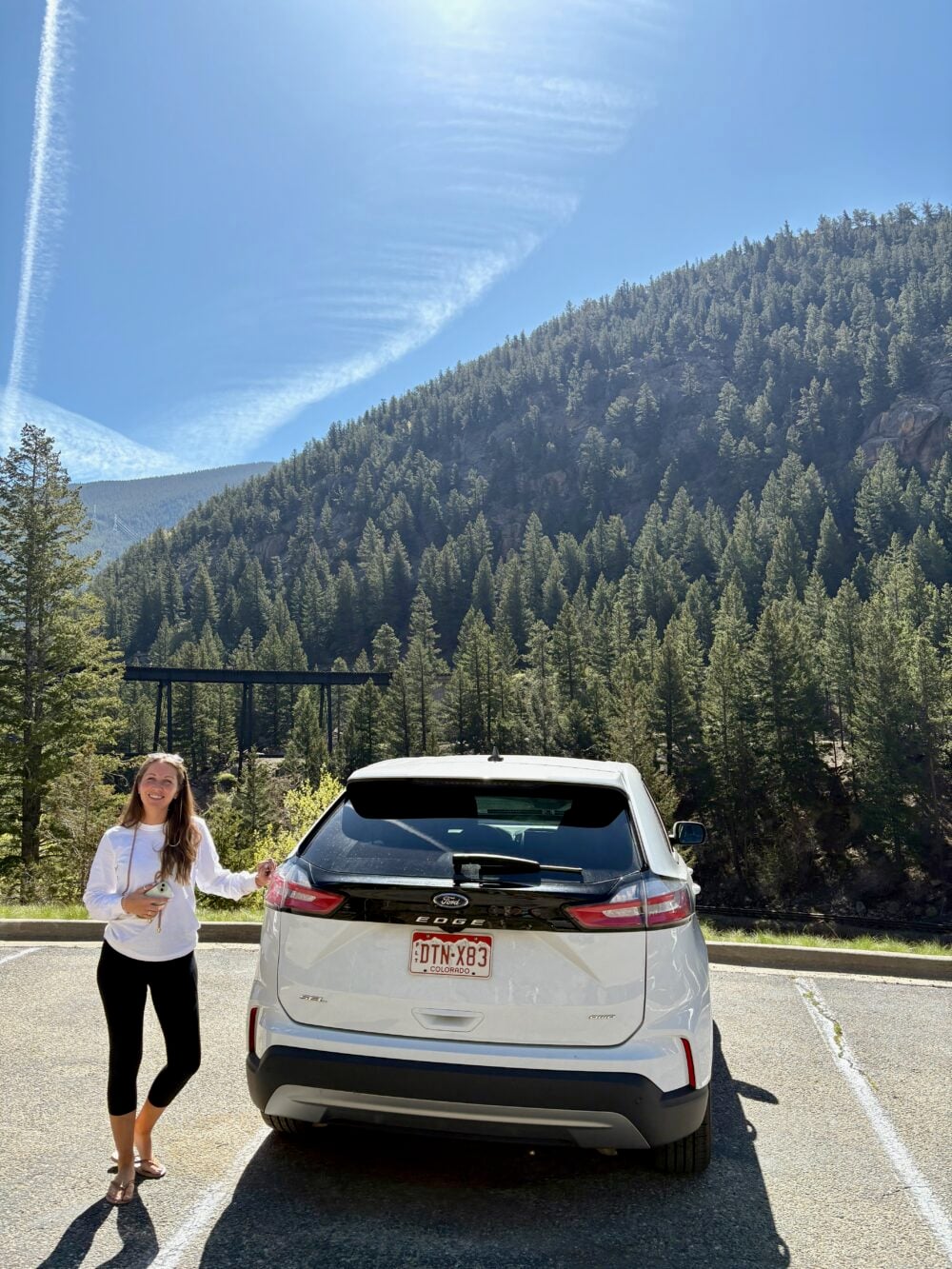
Here’s the route at a glance:
- Day 1: Arrive Denver, pick up your car, evening in the city centre, 1 night
- Day 2: Georgetown, drive on to Vail, 1 night
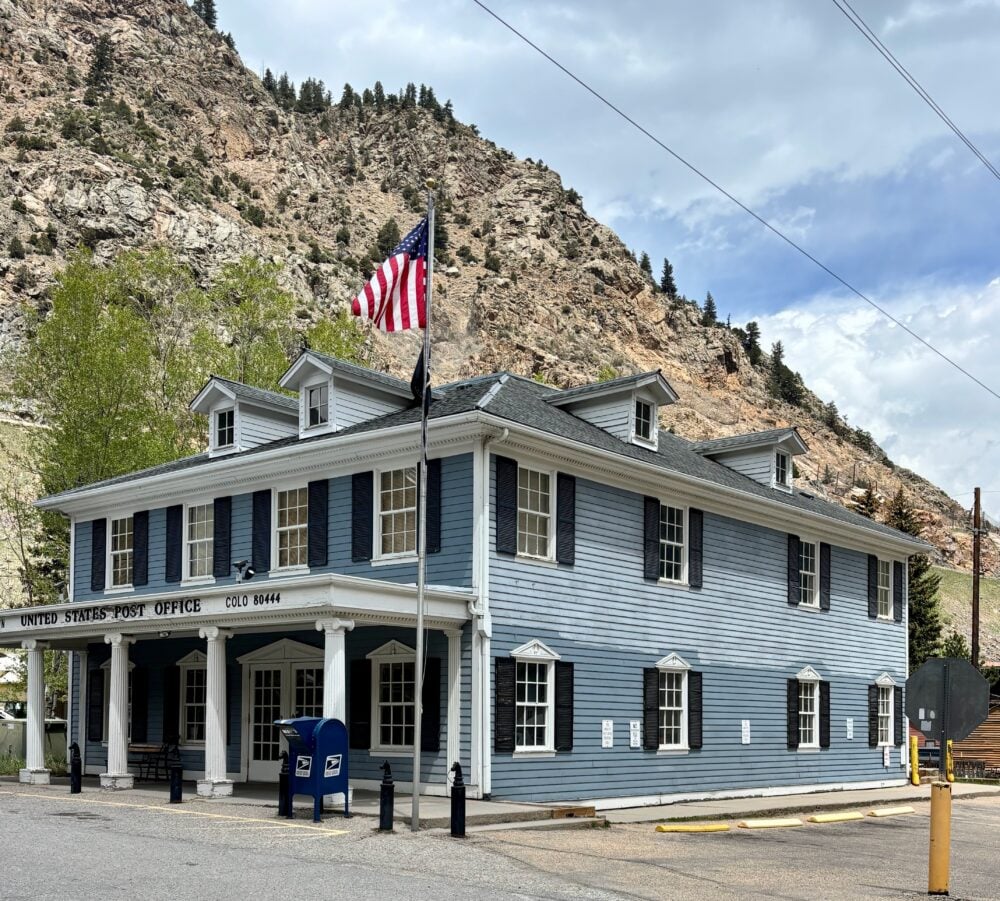
- Day 3: Grand Junction, 1 night
- Day 4: Carbondale and Basalt, 1 night
- Day 5-6: Aspen and Maroon Bells, staying in Snowmass, 2 nights
- Day 7-8 Colorado Springs, 2 nights
- Day 9: Denver, 1 night, fly home
That’s a full week on the road, bookended up by stays in Denver, making the full trip 9 nights. This ends up being around 620 miles of driving in total, and a truly varied slice of Colorado. We experienced alpine towns, high desert canyon country, quirky towns and some of the most scenic driving in the US.
Drive Times & Distances at a Glance
| Leg | Distance | Driving Time |
|---|---|---|
| Denver → Georgetown | 47 miles | ~50 min |
| Georgetown → Vail | 60 miles | ~1 hr 10 min |
| Vail → Grand Junction | 147 miles | ~2 hr 20 min |
| Grand Junction → Carbondale | 100 miles | ~1 hr 50 min |
| Carbondale → Snowmass | 25 miles | ~35 min |
| Snowmass → Colorado Springs | 171 miles | ~4 hr 10 min |
| Colorado Springs → Denver | 70 miles | ~1 hr 10 min |
| Total | ~620 miles | ~12 hrs driving |
Colorado Road Trip: Essential Things to Know
Colorado rewards a loop-style itinerary because the terrain changes so dramatically over a short distance. In under two hours you can go from the ski towns of the high Rockies to the red rock desert around Grand Junction, which is part of what makes this route so satisfying.
A few things worth knowing before you set off:
- Rent your car at Denver International Airport and get familiar with it before you hit I-70 west, which is Colorado’s main mountain corridor. Budget roughly $55–90/day for a midsize rental in peak summer, more if you want an SUV or 4WD (not essential for this route, but useful if you’re travelling outside summer).
- Altitude sickness is real. Denver sits at around 5,280 feet, but you’ll be passing through mountain passes well over 10,000 feet on this route. Georgetown to Vail crosses the Eisenhower Tunnel at over 11,000 feet and Independence Pass is at over 12,000 feet! Even Denver is at 5,280 feet, which is a mile above sea level. So it’s recommended to drink more water than you think you need, especially in the first couple of days.
- Book key experiences in advance. Some of my itinerary suggestions, including the Georgetown Loop Railroad, Maroon Bells access, and the Flying W Ranch dinner show all sell out, particularly in peak summer. I’d book all three as soon as your dates are firm.
- This route works best May to October. Some of the passes and Maroon Bells access are seasonal, so if you’re travelling outside summer, double check opening dates before you finalise stops.
- Budget for gas. At around 620 miles total and roughly 28–30 mpg for a standard rental, expect to use about 20–22 gallons over the week. This is likely to come out somewhere around $75–90 at current Colorado gas prices, though this’ll vary with your vehicle and fuel prices at the time.
Getting to Denver
Denver International Airport (DEN) is the starting point for this route, and it’s well connected if you’re flying from the UK. British Airways and United both fly direct from London Heathrow, with a flight time of around 9 hours 50 minutes. Icelandair, Aer Lingus and other one-stop options can work out cheaper if you’re flexible on timing. But a direct flight makes the most sense with a busy driving itinerary ahead of you. If you’re coming from elsewhere in the US or Canada, there are dozens of routes straight into Denver. It’s one of the busiest (and biggest) airports in the US!
How to get around
You’ll need a car for this itinerary. It’s simply not doable by public transport once you’re outside Denver. Pick your car rental up straight at DEN and drop it back there at the end. I’d recommend a standard midsize car for this route. You don’t need a 4WD in summer, though it’s worth considering if you’re travelling in shoulder season when mountain passes can see early or late snow.
The only part of this journey where I recommend public transport is if you do any time in Denver city centre. It’s easier to take the train in then to drive in and park up.
How long do you need in Colorado
This itinerary is built for one week on the road, or nine days total once you add your arrival and departure nights in Denver. It’s a fairly full on week, with two-night stays built in Snowmass, and Colorado Springs to give you a proper base rather than a one-night stopover everywhere.
If you had longer, I’ve added in a few other suggestions of other areas you could add on to this one week itinerary, or switch in, instead of my suggestions. This Colorado road trip is doable in less time, but you’d need to cut a stop entirely rather than rush each one. It would also feel like a lot of driving!
When to go to Colorado for a road trip
May to October is the sweet spot for this specific route. We did it at the end of May, which was generally a good time. Attractions such as Maroon Bells and some of the high altitude mountain passes had opened, and some seasonal attractions along the way only run in this window. I’ve flagged the specific dates for each throughout this guide. Within that:
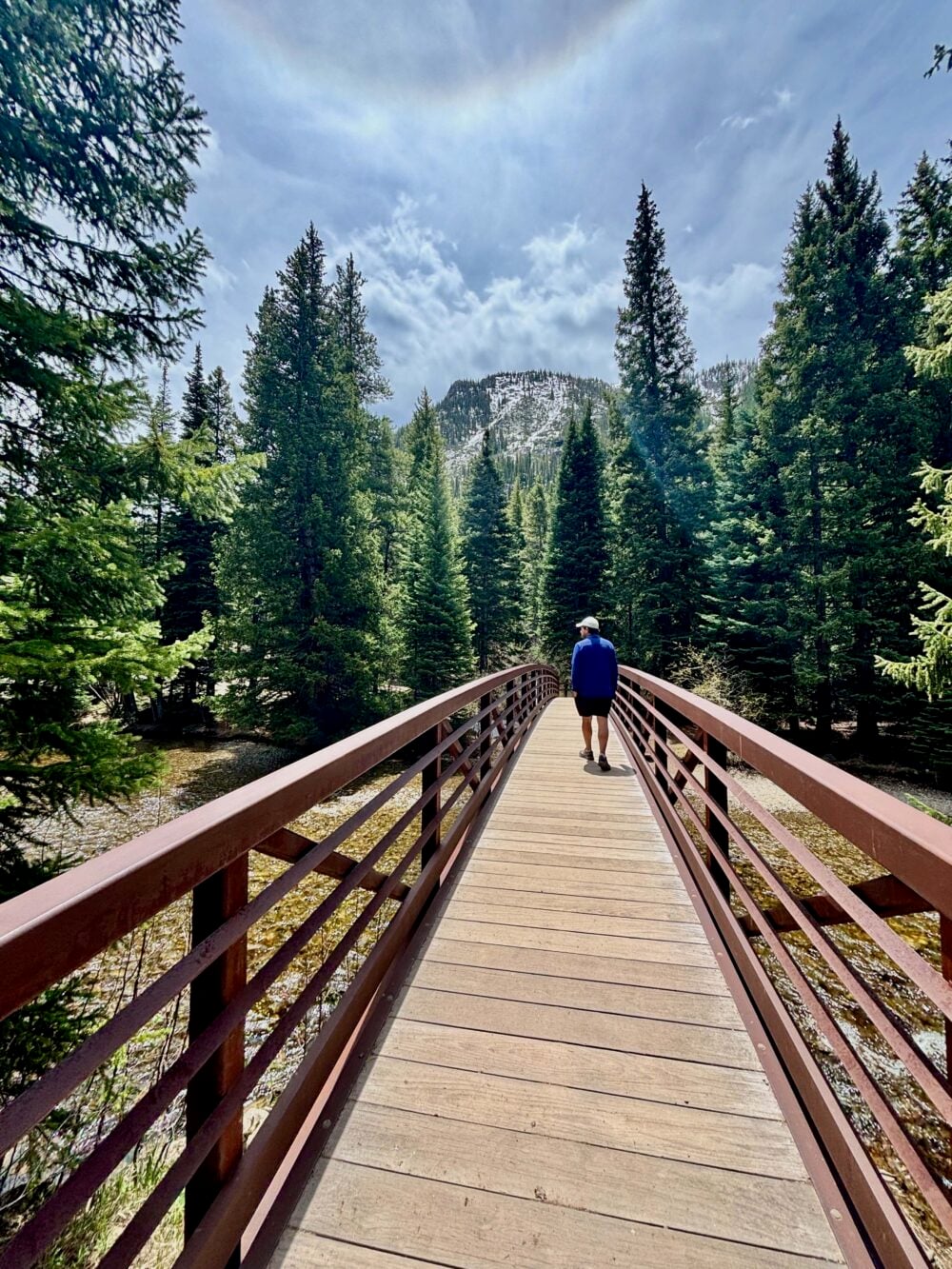
- May, so the end of Spring, did mean we experienced slightly cooler temperatures and some heavy rain at moments. I only packed one sweater, and I ended up wearing it quite a bit. That being said, the contrast of the snowy passes and the colourful Spring flowers really made for some spectacular driving!
- July and August bring the warmest, most reliable weather, but also the biggest crowds and highest accommodation prices, particularly around Aspen.
- June and September are the shoulder months I’d actually recommend. It’s still warm, noticeably quieter, and September brings the start of aspen leaves turning gold in the high country.
- Winter (roughly November to April) isn’t suitable for this exact route, as Maroon Creek Road and other high passes close, though Colorado is obviously superb for a ski-focused trip in that window instead.
Where to stay on this road trip
I’ve covered where we based ourselves for each stop throughout this guide, with some other suggestions covering all budgets too.
Essential Colorado Food & Drink to Try
Colorado’s food scene is shaped by cowboy and Southwest traditions as much as its wild produce and world-class craft beer, so here’s what’s worth seeking out as you make your way around this route:
- Olathe sweet corn — grown on Colorado’s Western Slope, considered some of the best sweet corn in the country, and easy to find at farm stands if you’re travelling in high summer.
- Green chile — Colorado’s unofficial comfort food, a savoury pork and roasted Pueblo chile sauce ladled over pretty much anything: breakfast burritos, burgers, fries, enchiladas. Order anything “smothered” and you’ll get the idea.
- Palisade peaches — grown just outside Grand Junction, these are famously juicy thanks to the Grand Valley’s hot days and cool nights. In season (roughly August), they turn up on menus everywhere, and it’s well worth stopping at a roadside stand near Palisade itself if you’re passing.
- Rocky Mountain oysters — not seafood: breaded and fried bull, bison, or calf testicles, usually served with a horseradish dipping sauce. An only-in-Colorado dare if you’re up for it.
- Bison — no longer roaming wild, but very much on the menu, from bison burgers to fine-dining preparations. Leaner and slightly sweeter than beef.
- Colorado lamb — Colorado is one of the top lamb-producing states in the US, bred specifically for meat rather than wool, and it shows up on menus across the state.
- Colorado-style “mountain pie” pizza — a thick, slightly sweetened crust piled high with toppings, a Denver specialty best known via Beau Jo’s.
- Rocky Mountain trout — freshwater trout from Colorado’s rivers, often simply grilled or pan-fried, a staple on menus in the mountain towns.
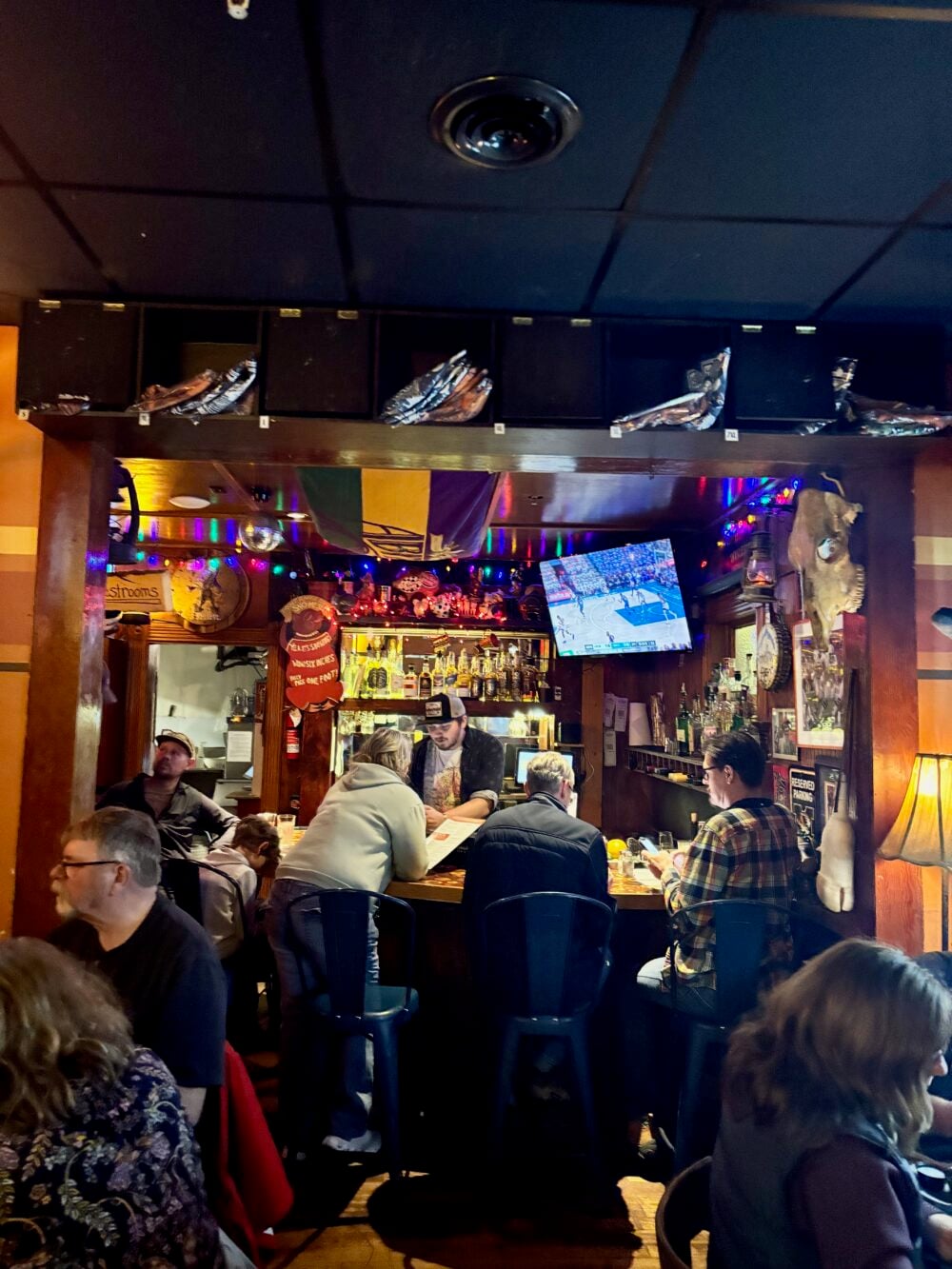
- Craft beer — Colorado has one of the biggest craft brewing scenes in the US, with Denver, Fort Collins, and Boulder all major hubs. Look out for local names on tap wherever you stop — it’s an easy way to try somewhere new each night.
A few iconic stops to look out for on your road trip:
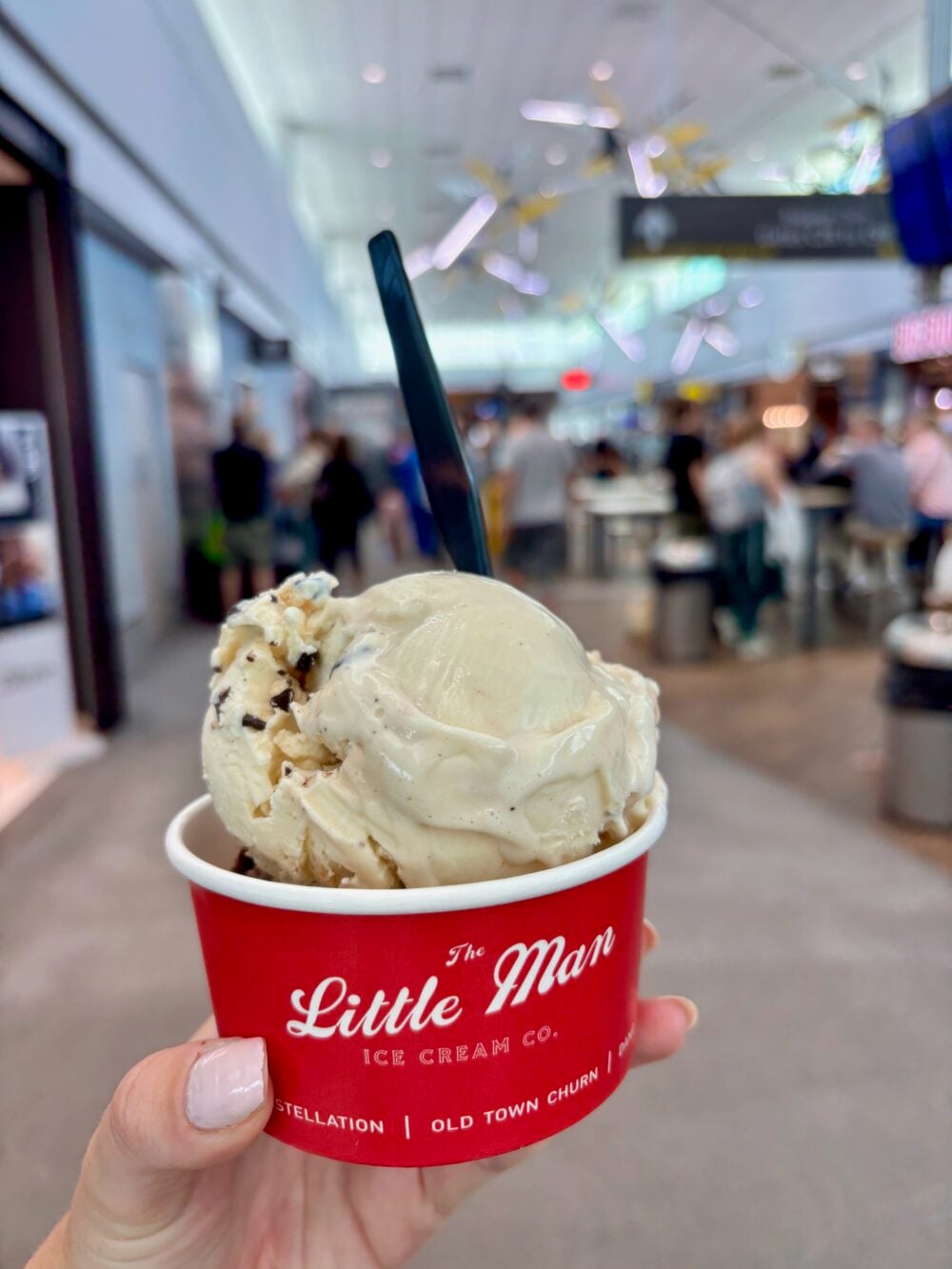
- Little Man Ice Cream — Denver’s most iconic ice cream stop, scooped from inside a real 28-foot vintage milk can in the LoHi neighbourhood in Denver. There’s also a smaller spot inside DEN airport too as well as some other locations across Colorado. Their ice cream is some of the most delicious I’ve ever had!
- Sonic Drive-In — the classic American drive-in experience. Pull into a numbered stall, order from a menu screen, and a server (on roller skates at some locations) brings your food out to the car. A fun stop if you haven’t done it before, and there are locations dotted along I-70 and around Colorado Springs. I had never seen this fast food chain before whilst in the US, but I loved it, so American.
- Dazbog Coffee — A Denver-based coffee roaster and café chain founded in 1996 by two Russian immigrants, Anatoly and Leonid Yuffa (hence the Russian branding — “Dazbog” is a Slavic sun god). It’s Colorado through and through, with cafés across Denver, South Denver, DIA, and Fort Collins.
What Things Cost on a Colorado Road Trip
Colorado sits at an interesting mid-point on cost. It’s nowhere near as expensive as somewhere like Hawaii, but the ski towns on this route (Vail and Aspen in particular) can rival anywhere in the world once you look at accommodation prices, even in summer. Costs vary hugely depending on which stop you’re in, so I’ve broken it down below.
All prices are in US dollars, correct as of 2026 but it’s always worth double-checking before you book, as rates shift by season and year.
Accommodation
Hotels have the biggest variation on this route. Outside the ski towns, so Denver, Grand Junction, Carbondale, Colorado Springs, your money will go further. Budget hotels or motels run from $100–$160 a night, and a comfortable mid-range option $180–$280.
Vail and Aspen/Snowmass are a different story entirely. Even in summer (prices are far higher again in ski season), budget options are scarce. Expect $250–$400 a night for anything basic, $400–$700 for a decent mid-range hotel, and $800–$1,500+ for anything approaching luxury.
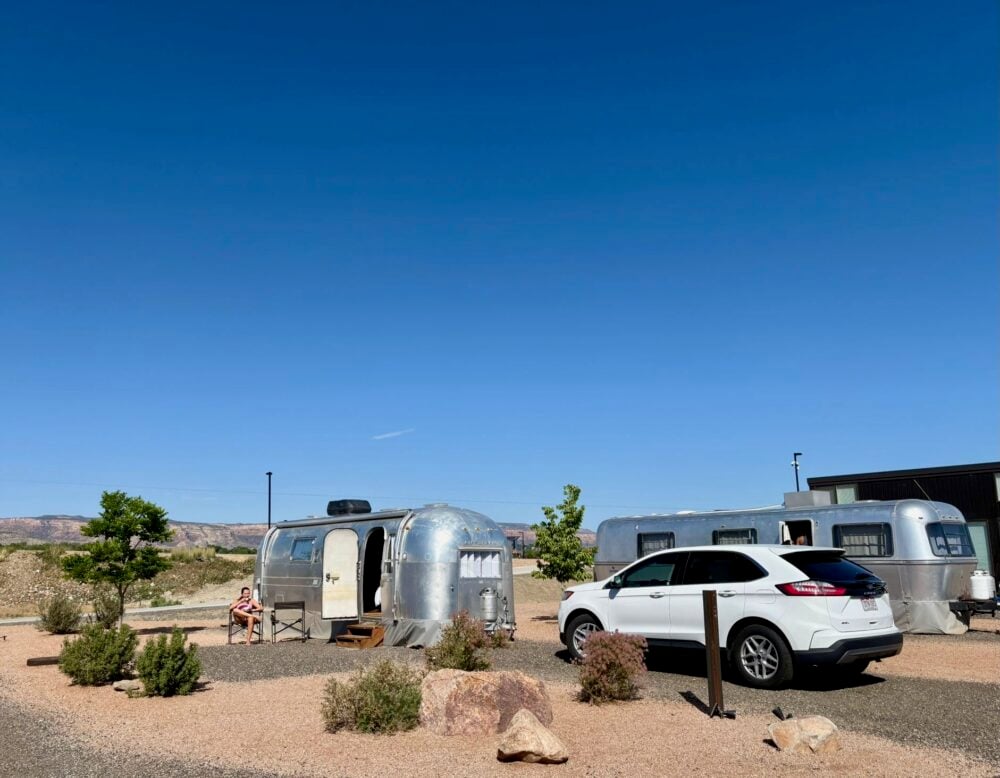
Camp Eddy’s Airstreams and tiny homes in Grand Junction sit in a nice middle ground and are worth booking early, as availability is limited. It also adds to the experience!
Food
At the casual end, a diner breakfast or a food truck lunch will run $12–$20 per person. A mid-range sit-down meal costs around $25–$45 per person including a drink. Tipping 18–20% is standard and expected everywhere, restaurants included.
In Aspen and Vail specifically, budget noticeably more. A casual lunch can easily hit $30, and dinner at a well-regarded restaurant runs $70–$150 per person. Grocery stores in the mountain towns are pricier too, so if you’re self-catering any of your stops, it’s worth stocking up in Denver or Grand Junction first.
Transport
A midsize rental car costs roughly $55–$90 a day in peak summer, picked up and dropped off at Denver International Airport. Gas across the full ~620-mile route works out to around $75–$90 total (see the planning section above for the detail).
Parking is the other cost to factor in, particularly in Vail and Aspen. Expect $10–$40 for a few hours to a full day depending on where you park, and free street parking is rare in the ski towns.
Activities and Attractions
- Georgetown Loop Railroad: $44 adult / $38 child
- Colorado National Monument: $25 per vehicle (7-day pass)
- Maroon Bells: $10 vehicle reservation, or $15.95pp shuttle
- Flying W Ranch Chuckwagon Dinner & Show: $69 adult / $33 child
- Garden of the Gods: free
- Red Hill trails (Carbondale): free
Overall Daily Budget Guide
- Budget traveller: $150–$220 per day — budget motels outside the ski towns, casual food, free hikes and viewpoints, self-driving throughout
- Mid-range traveller: $350–$500 per day — a mix of Camp Eddy-style stays and mid-range hotels, restaurant meals, the paid attractions above, standard rental car
- Luxury traveller: $700–$1,200+ per day — resort-level stays in Vail and Aspen especially, fine dining, and any private tours or add-ons
Your Colorado Road Trip Route
Day 1: Arrive in Denver
Pick your car up at Denver International Airport, check into an airport hotel, and spend the night in the city before setting off early the next morning.
Depending on your arrival time, this is a good opportunity to explore Denver, grab dinner, and get an early night ahead of a busy few days on the road.
Getting into the city without a car: If you’d rather not collect your rental until the morning, or rather avoid having to park in the city, then you can easily take the train into Denver city centre.
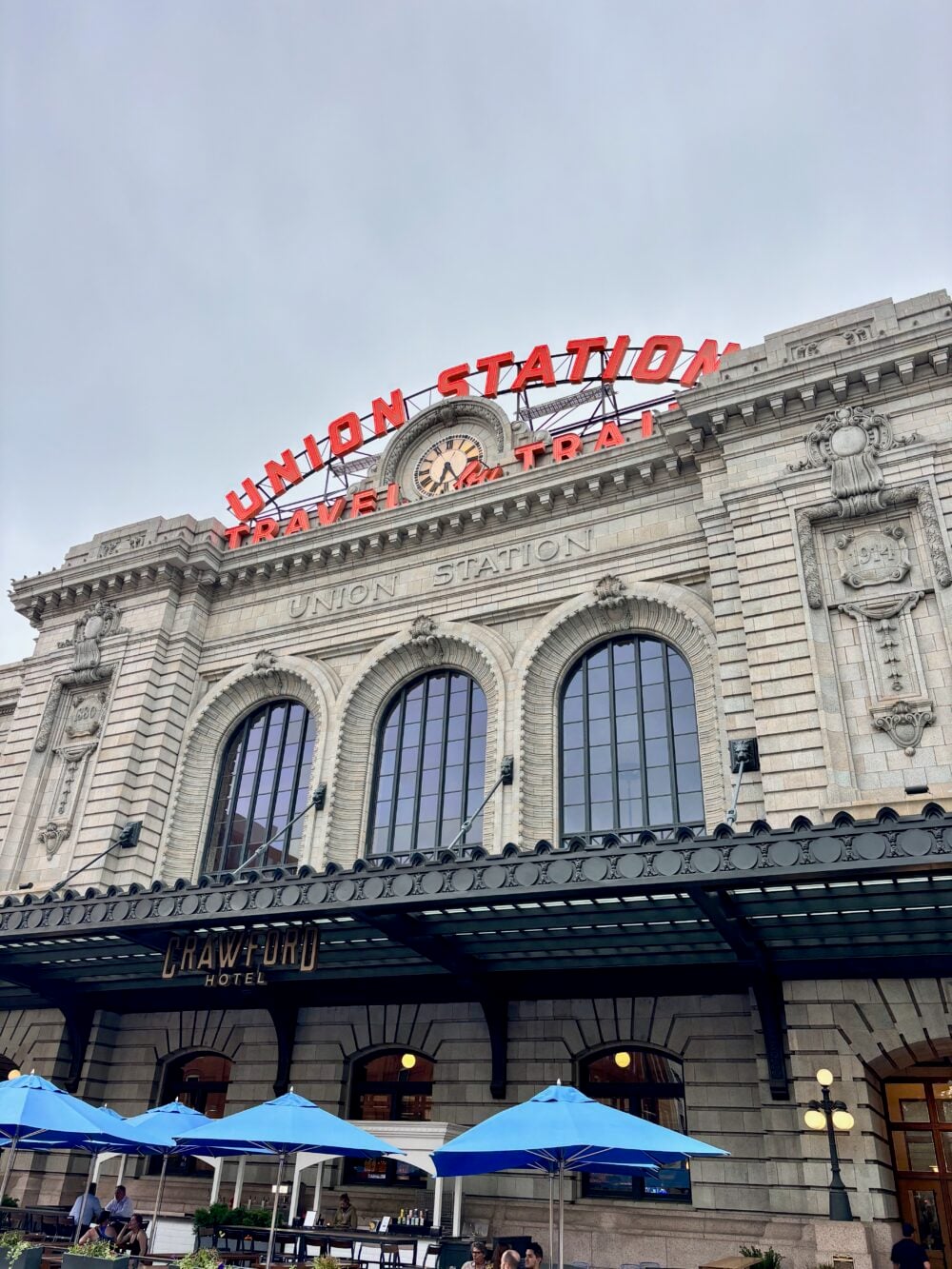
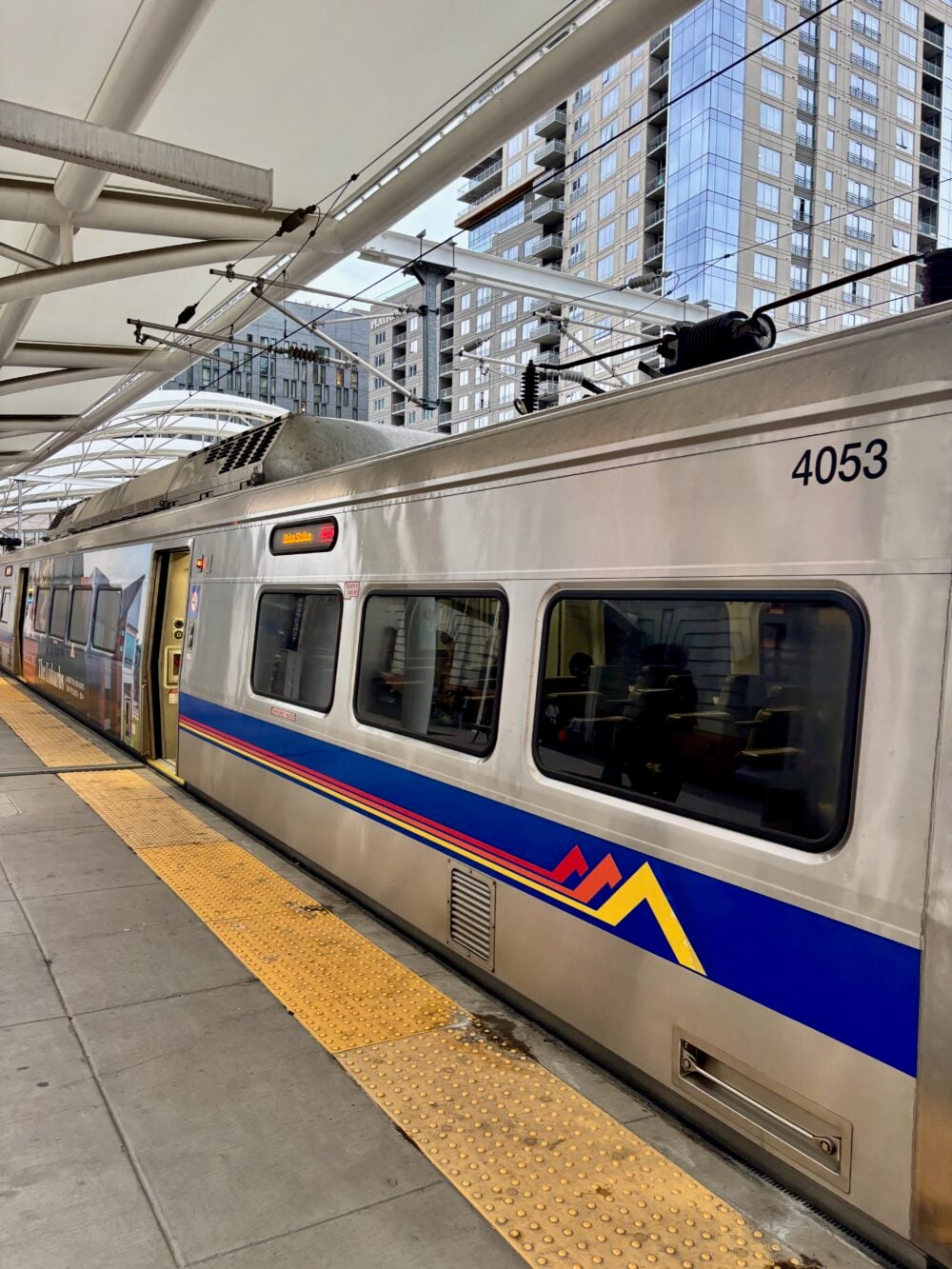
Denver International Airport has its own train straight into downtown, called the A Line, run by RTD. It departs from the airport terminal every 15–30 minutes, takes about 37 minutes, and drops you at historic Union Station in the heart of downtown, with tickets around $10.50 one way. You can tap a contactless card or phone straight at the platform, so no separate ticket machine needed.
It’s an easy, low-stress way to start the trip if your flight lands late or you just fancy a proper night in the city before four hours behind the wheel the next day.
Where to stay, eat and drink in Denver
A few solid options sit within a few minutes of the terminal, several with a free shuttle, although if you’ve picked up your car already, you can just drive to your airport hotel.
The Westin Denver International Airport (double rooms from £324 per night) is physically connected to the terminal via a walkway. This is by far the most convenient (if pricier) option if you land late or fly out early.
Nearby is the Gaylord Rockies Resort (double rooms from £325 per night), which is is a bigger, resort-style option about 10 minutes away in an area called Aurora. It’s home to several restaurants and pools (and a huge lazy river!) on site if you want to make an evening of it.
For something simpler, there is a cluster of chain hotels nearby the airport. These include Sleep Inn & Suites (rooms from £91 per night), Hampton Inn & Suites (rooms from £109 per night), Courtyard by Marriott (rooms from £131 per night), among others.
If you don’t fancy heading in Denver, then a great spot for dinner is the Moonlight Diner. An iconic, old school diner located along Tower Road where all the hotels are.
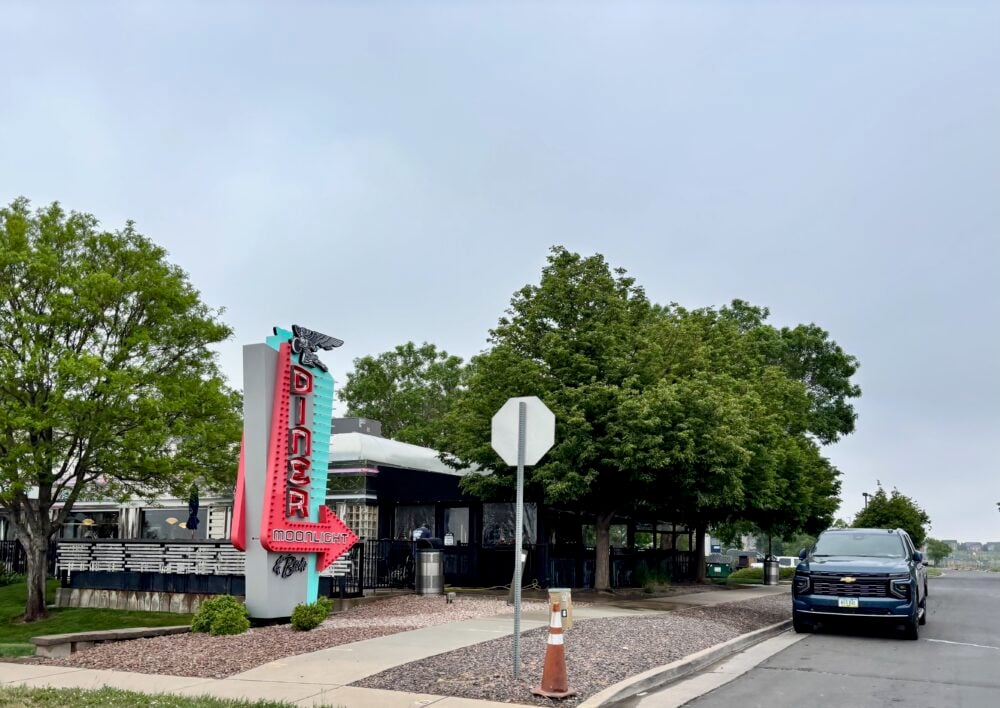
Day 2: Georgetown’s Historic Railway to Vail
Denver → Georgetown: 47 miles, ~50 min. Georgetown → Vail: 60 miles, ~1 hr 10 min.
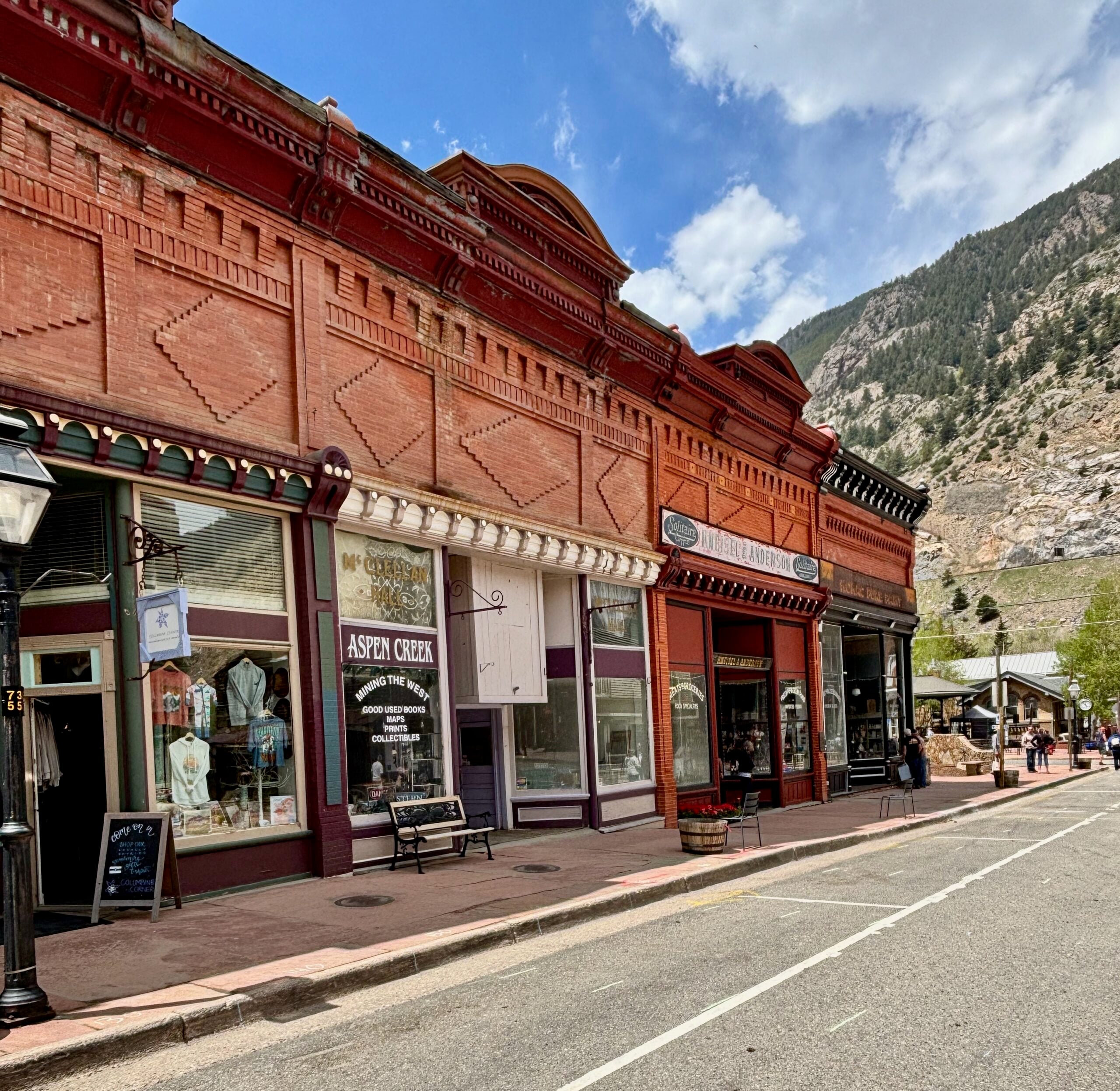
Let’s get on the road! We loved our first stop of Georgetown, which is about an hour west on I-70. If you fancy a quick leg stretch, then consider stopping briefly at Idaho Springs.
This is where Colorado’s gold rush actually began. Prospector George A. Jackson struck gold here at the junction of Chicago Creek and Clear Creek in January 1859, making it the state’s first mining settlement. Today it’s a charming, walkable little town, with a historic Miner Street lined with boutique shops and cafés, and the unmistakable Charlie Tayler Waterwheel visible right from the interstate.
If you have a bit of time, the Argo Gold Mill and Tunnel offers guided tours through a historic gold-processing mill, and Clear Creek running through town is a popular spot for whitewater rafting in summer.
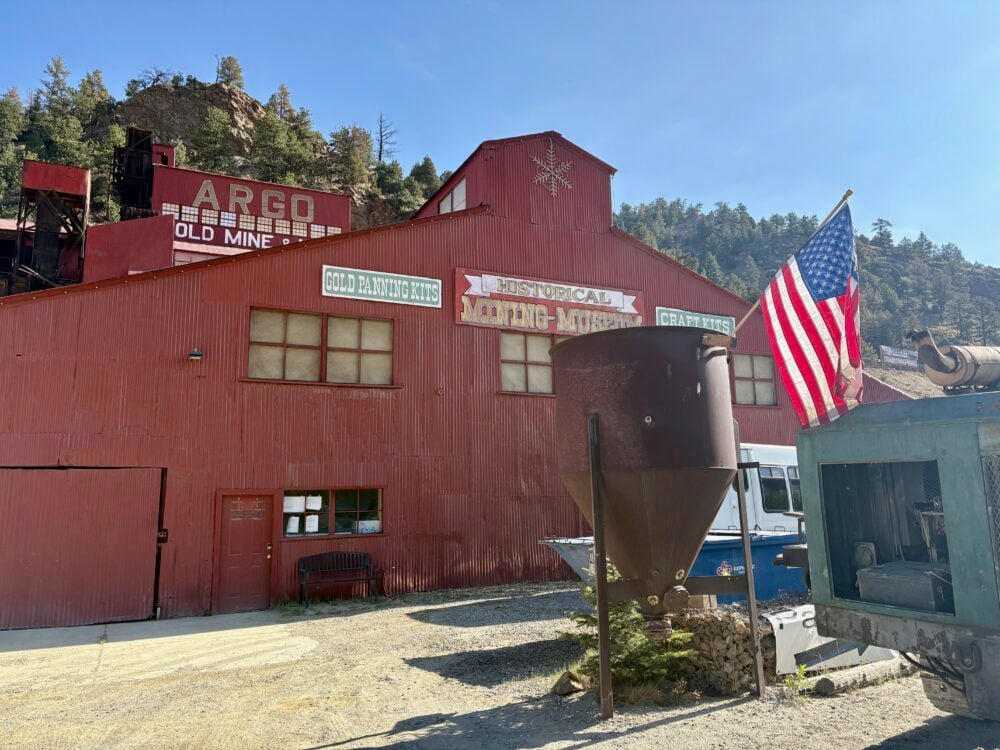
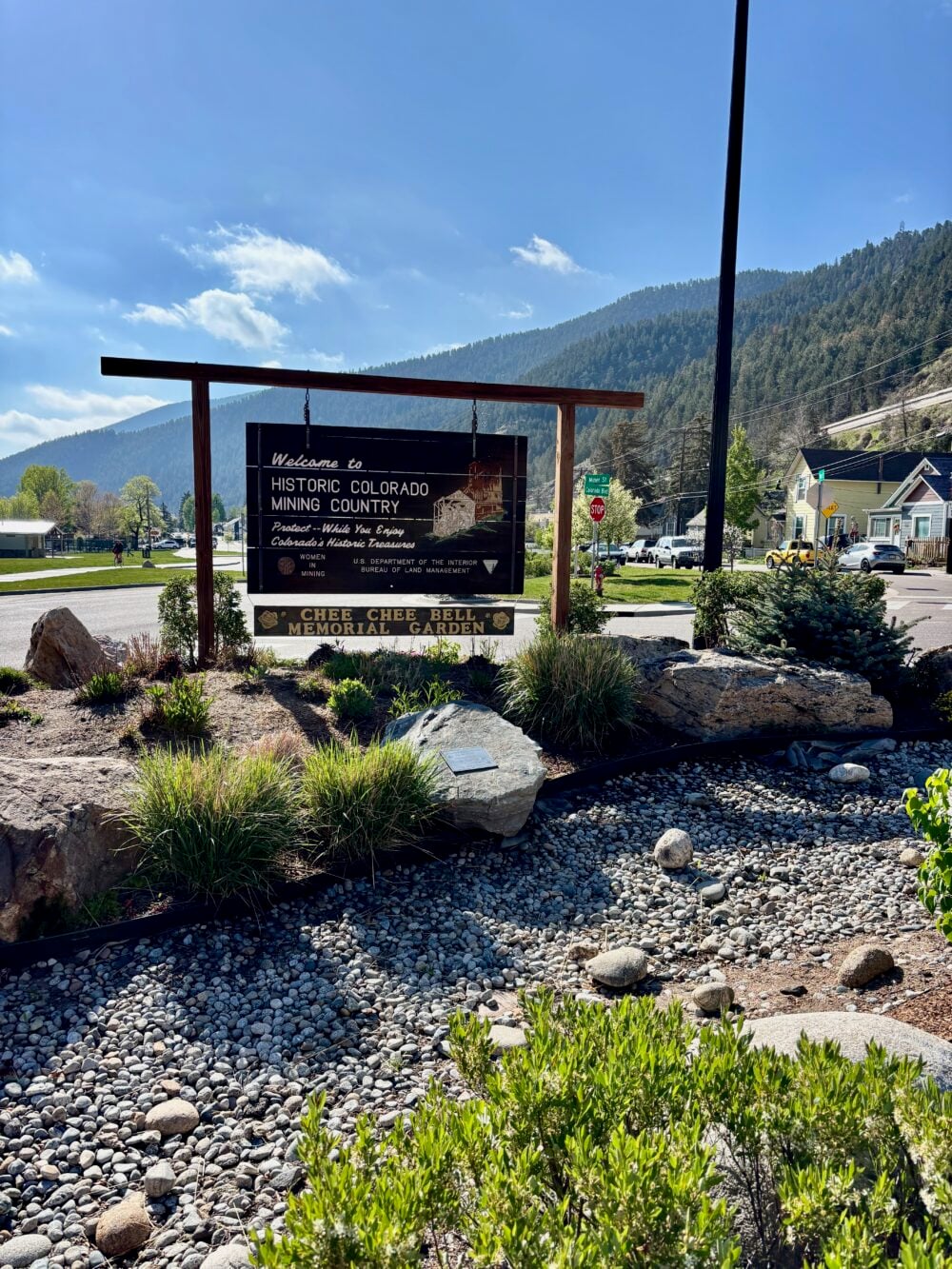
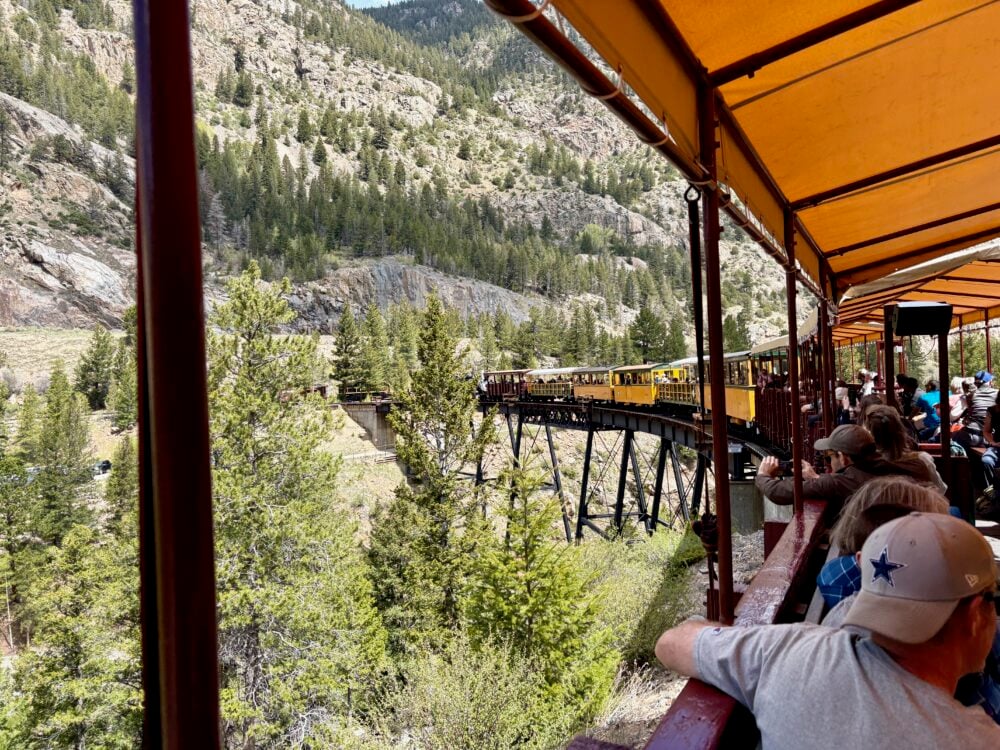
Onwards to Georgetown. Its railroad is the reason to visit this old silver-mining town. Built in 1884, the narrow-gauge railway climbs between Georgetown and Silver Plume aboard a historic steam or diesel locomotive, crossing the Devil’s Gate High Bridge along the way. It’s a true engineering marvel suspended high above Clear Creek Canyon. You can add on a guided mine tour and gold panning if you have the time, although we didn’t do this. The ride itself takes around an hour round trip depending which package you choose. Tickets do sell out, especially on weekends, so book ahead at georgetownlooprr.com. Adults tickets are $44 and child tickets are $38.
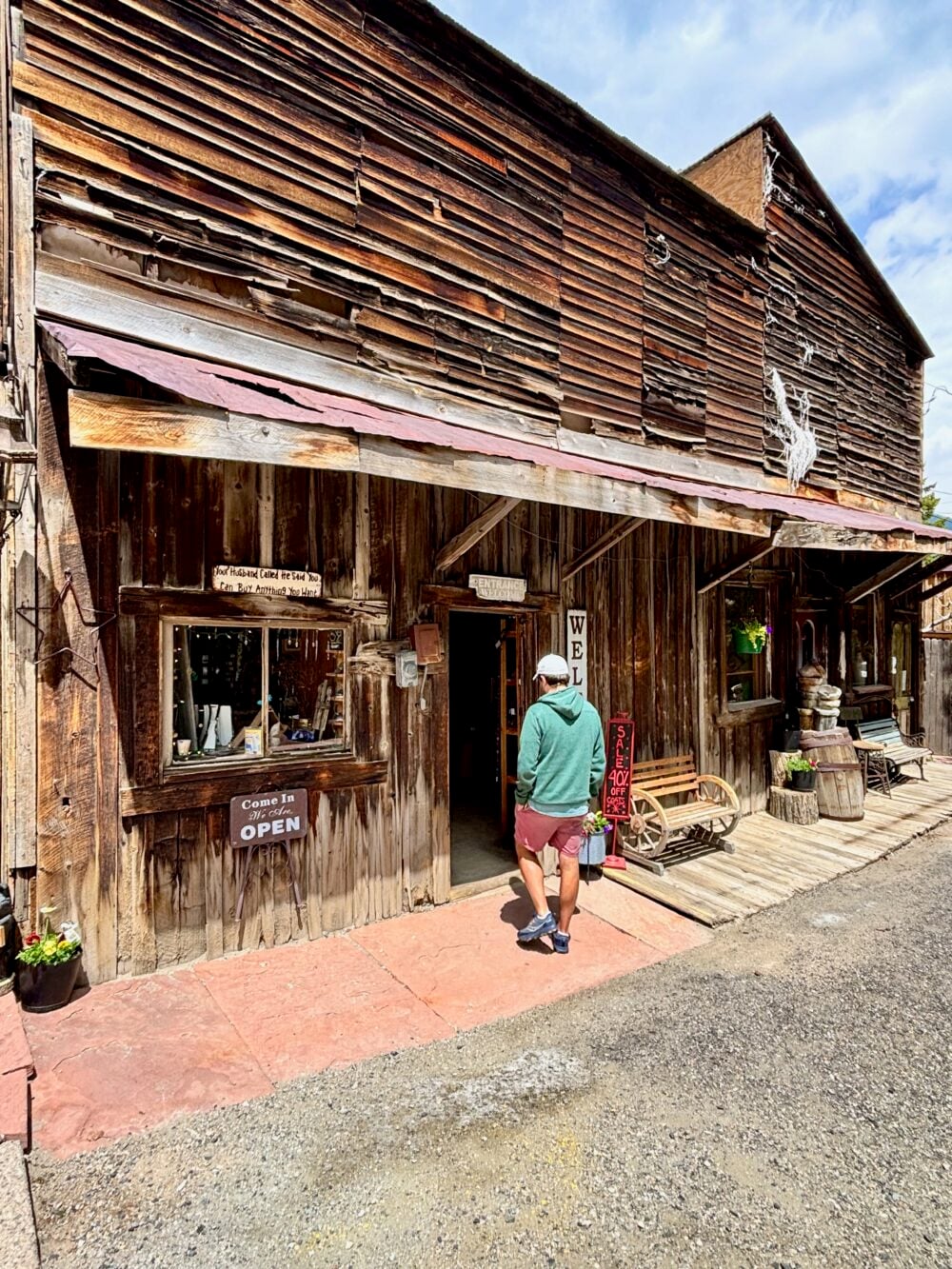
Afterwards, make sure to explore the old town area, it’s quite quirky and we bought some great little souvenirs to take home.
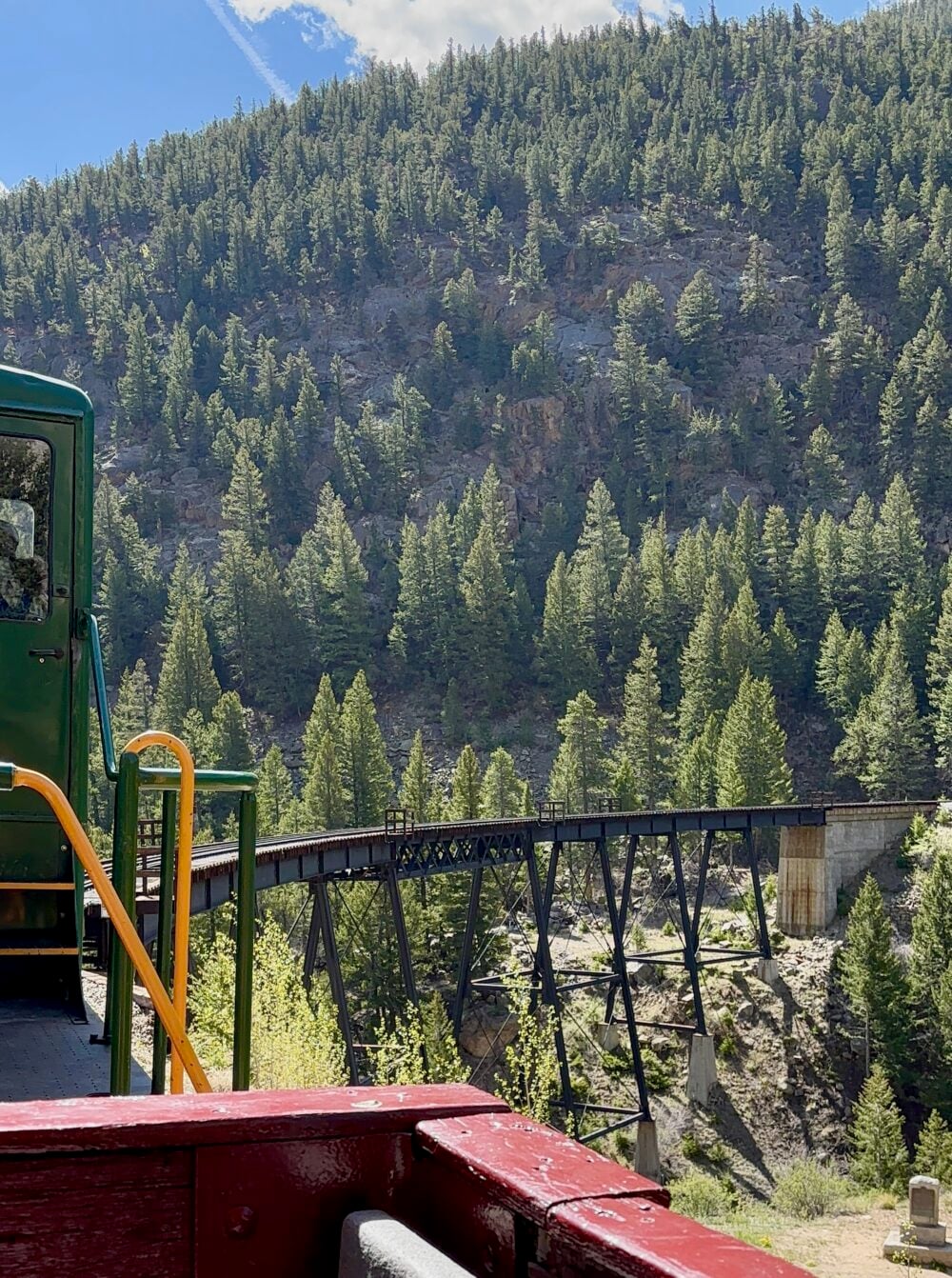
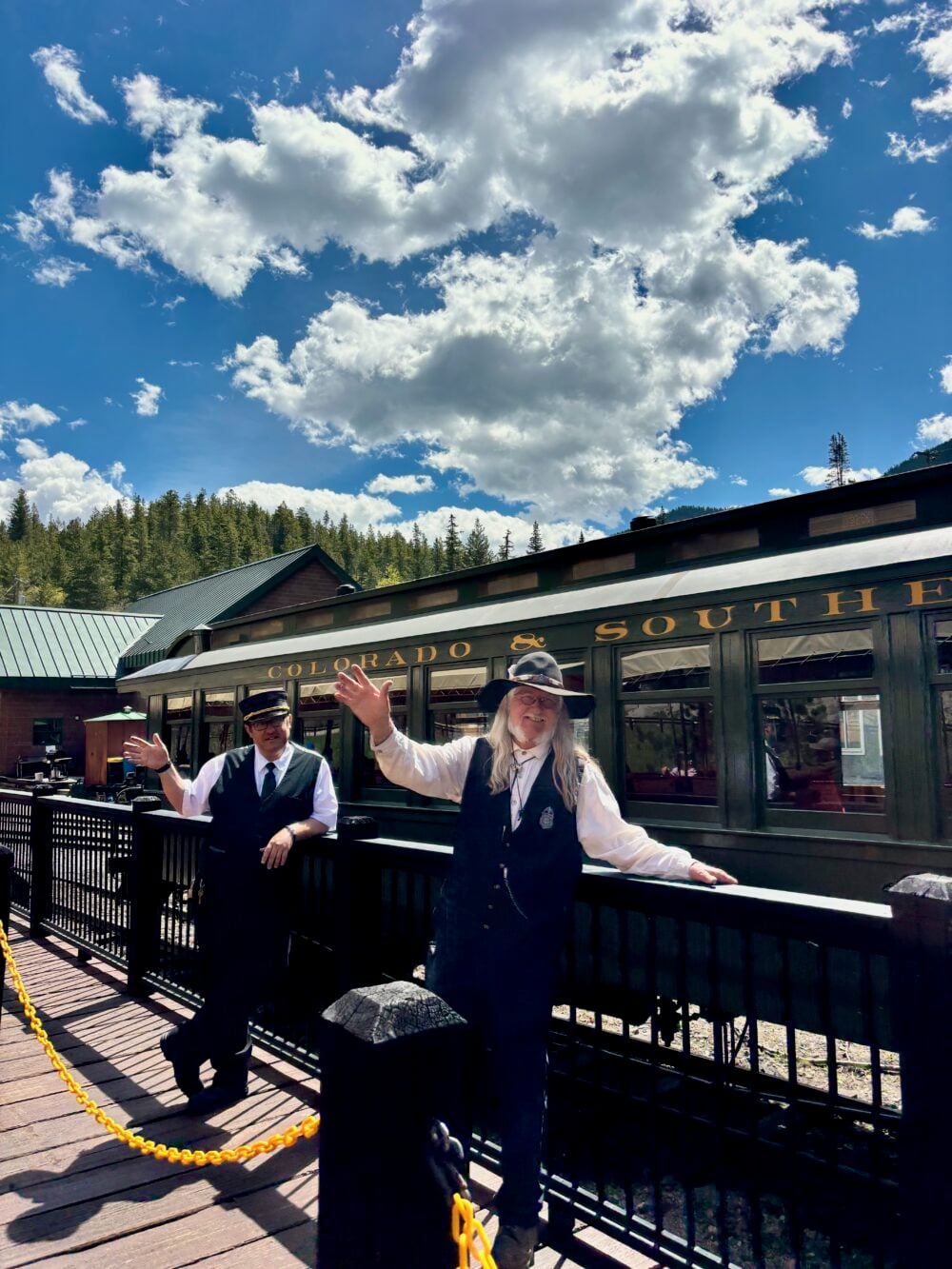
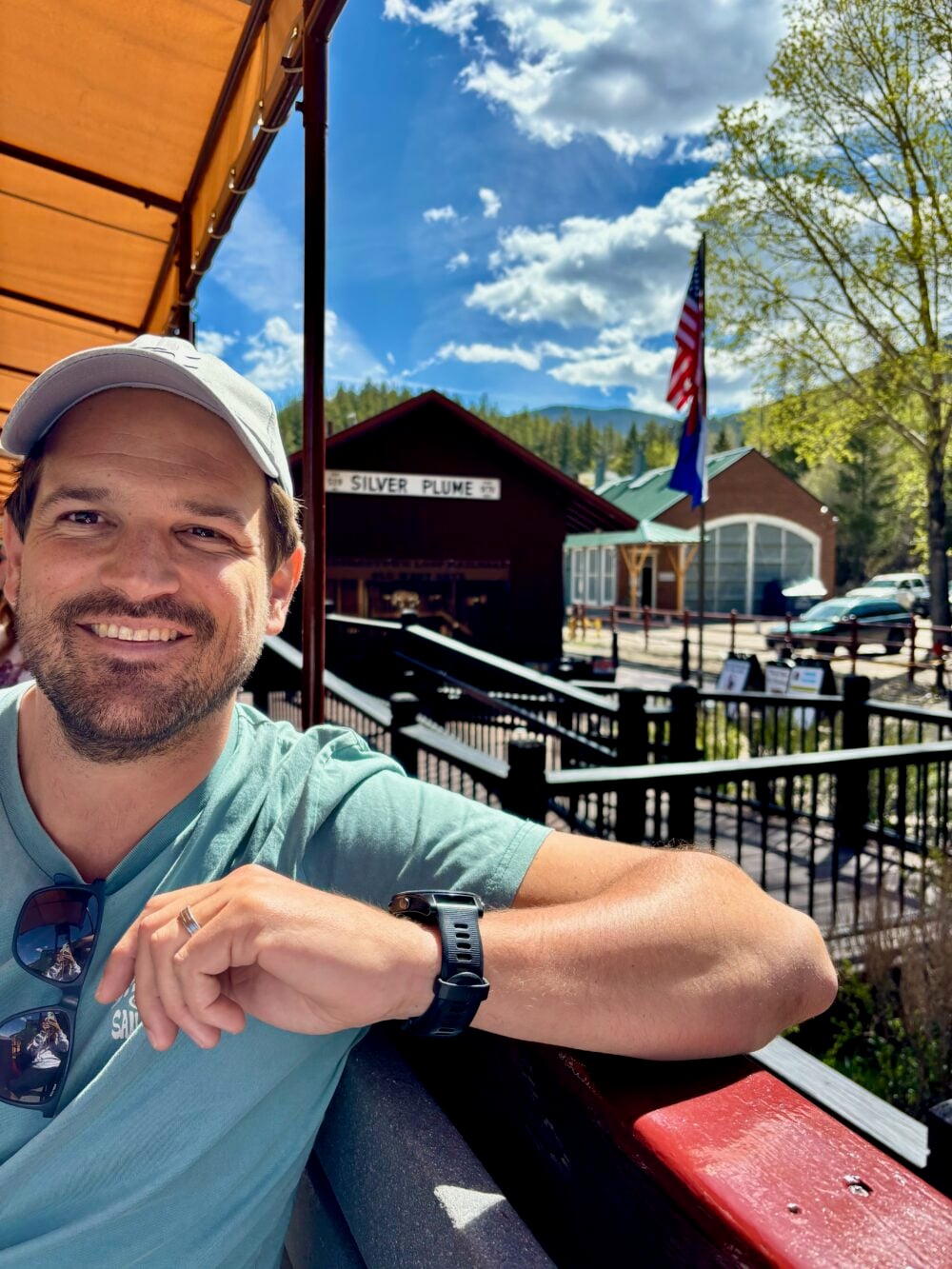
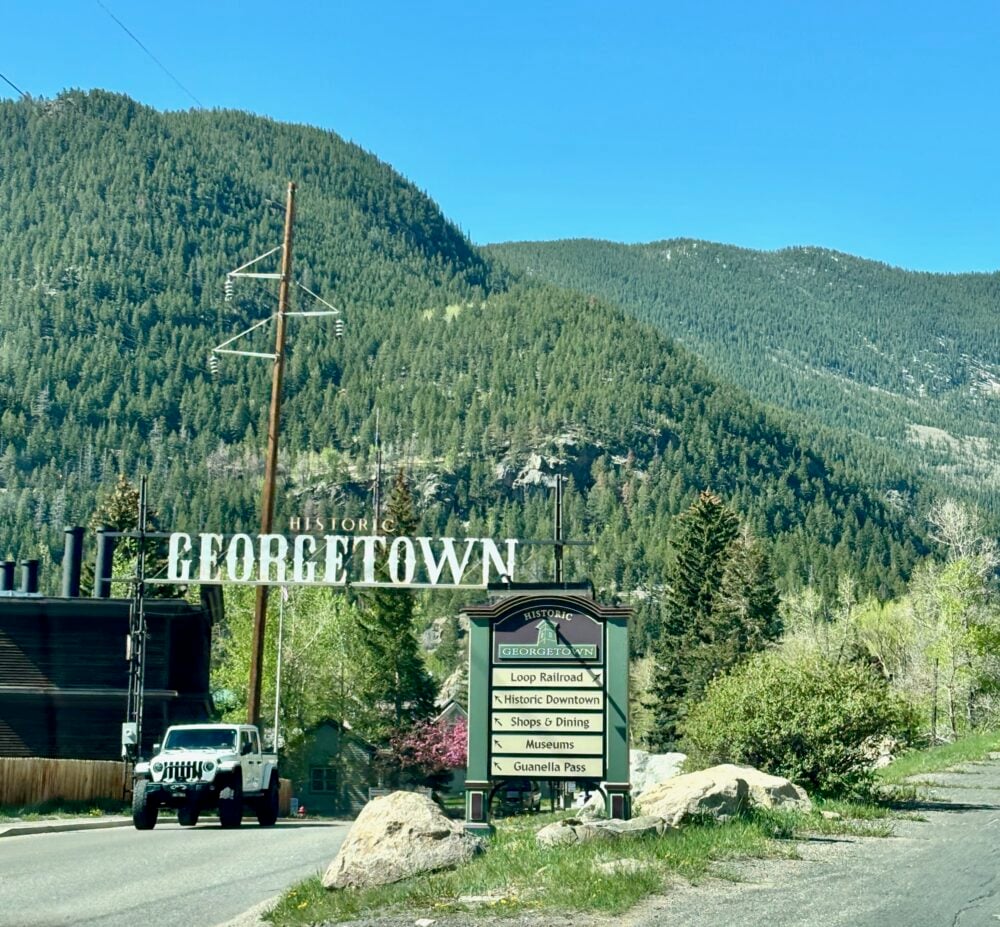
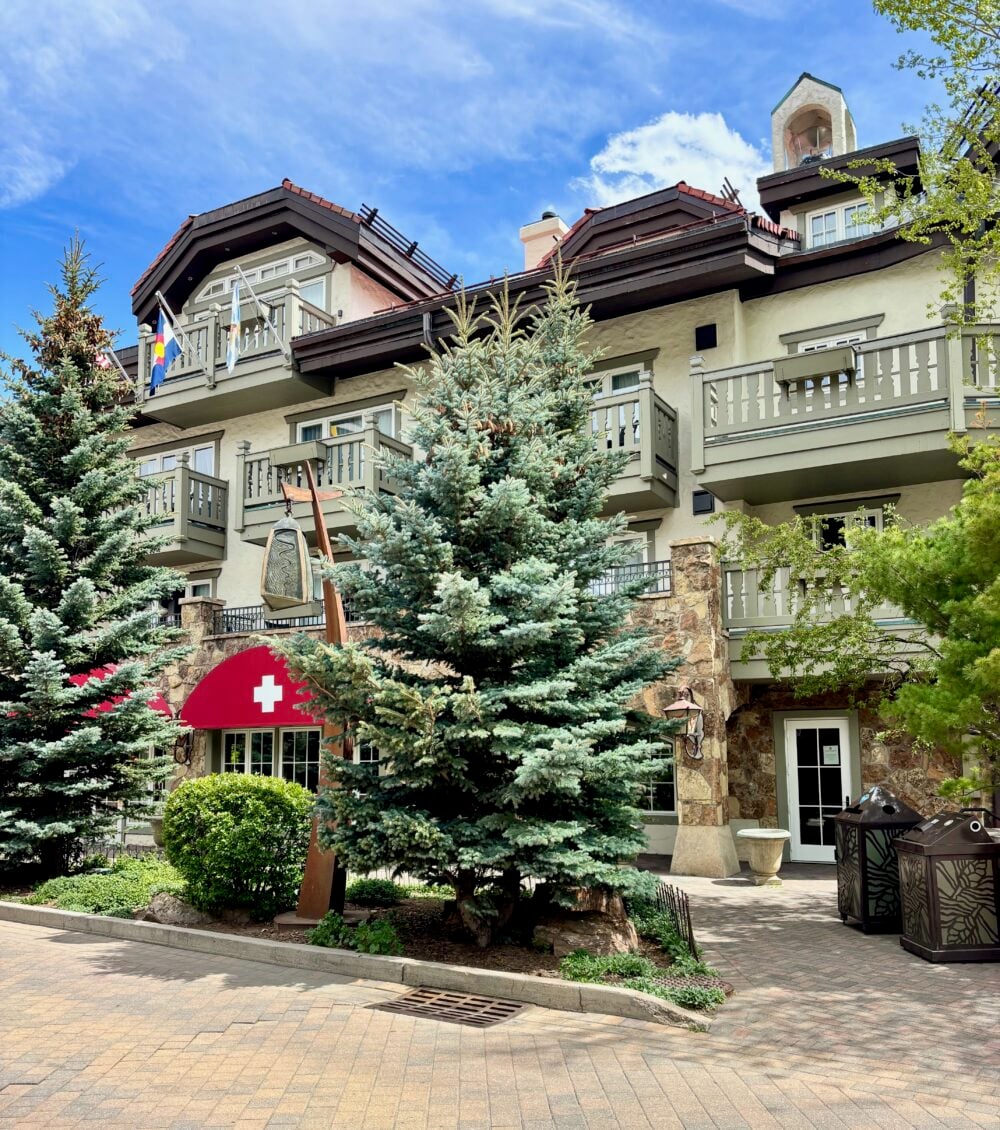
From Georgetown, it’s roughly an hour and a half further west to Vail. The route climbs over the Eisenhower Tunnel, which is one of the highest points on the interstate system in the US along the way. I recommend coming here for lunch, and then spending the afternoon and evening exploring Vail Village. Its pedestrianised, alpine-style streets that feel more Austria than Colorado. We were there in late May, and even without snow on the ground, it was a lovely spot for a wander, a coffee, and dinner.
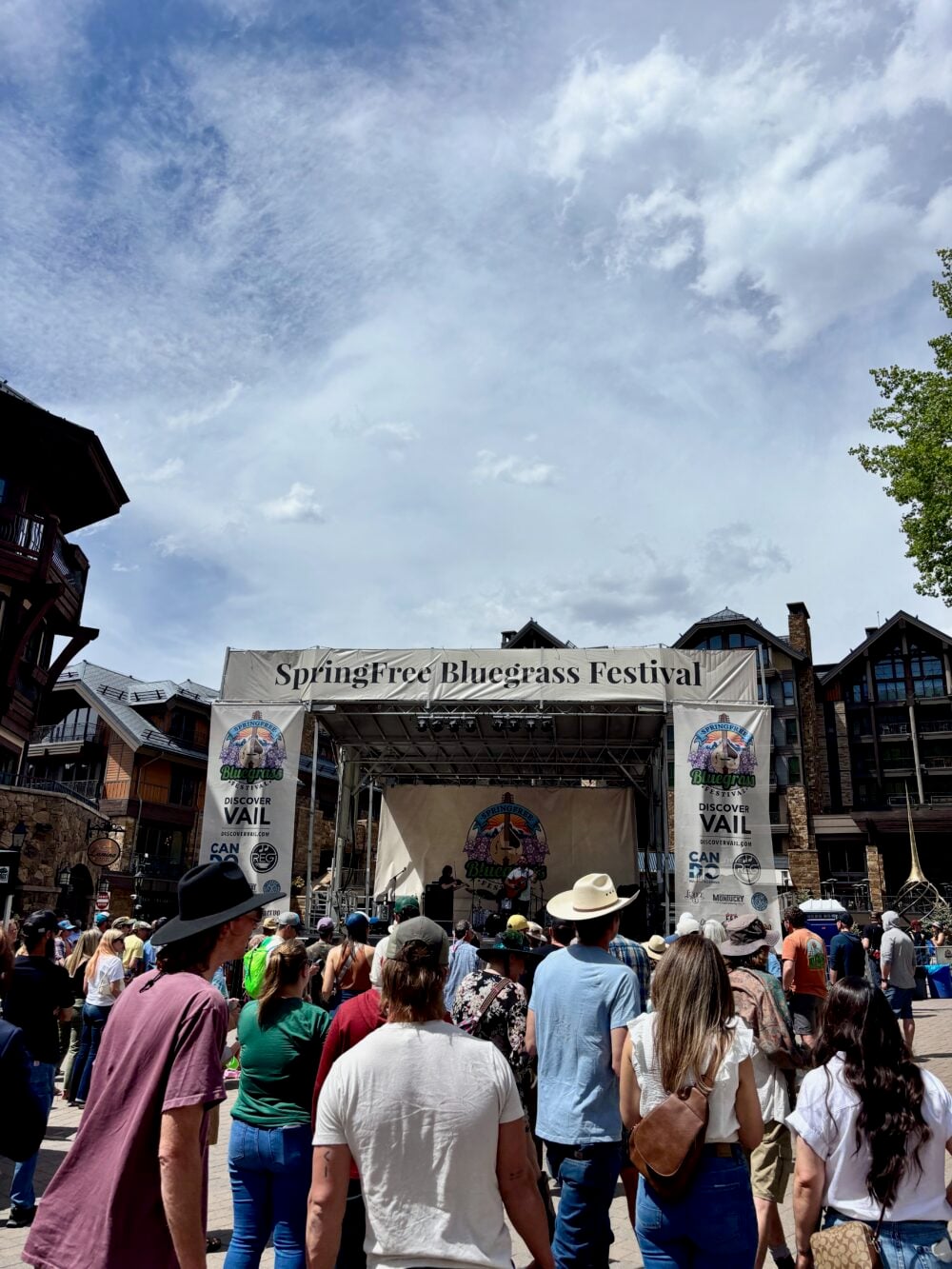
Our visit actually coincided with the Vail SpringFree Bluegrass Festival, meaning our time in the ski town was extra charming and fun. It was Stetsons and gorgeous dogs everywhere! This is an annual music event held over Memorial Day weekend in Vail Village, Colorado. There was no entry fee and the stages were dotted around the streets of Vail Village.
Because we were meeting friends in Grand Junction, we drove through late in the evening, but I’d rather have stayed in Vail.
Where to stay, eat and drink in Vail
Even the budget end of Vail runs at a higher price point than most of the rest of this trip. It’s a resort town through and through but there are still plenty of options within walking distance of the Village itself:
Budget
- Tivoli Lodge (rooms from £130 per night) — a charming, family-run lodge close to the Gondola, good value for the location
- Evergreen Lodge (rooms from £151 per night). An affordable, comfortable option with a heated outdoor pool and on-site restaurant, walking distance to the Village and slopes
- Austria Haus Hotel (rooms from £205 per night). A 25-room boutique hotel modelled on Austrian family-run ski chalets, tucked between Gore Creek and Vail Village with a Euro-style breakfast included
Mid-Range
- Sitzmark Lodge (rooms from £239 per night). Right in the heart of Vail Village, clean and simple, with easy access to everything on foot
- The Sebastian Vail (rooms from £404 per night). Stylish and boutique, with an on-site spa and restaurant, just a short walk from the slopes and the Village
Luxury
- Four Seasons Resort Vail (rooms from £455 a night in the off season). Vail’s top-tier luxury pick, with ski shuttle access, a full spa, and every amenity you’d expect at this level
- Sonnenalp (double rooms from £303 per night). A world-class 4-star European-style resort right in the heart of the action, with Bavarian-furnished suites, heated floors, and two excellent on-site restaurants
- The Hythe, a Luxury Collection Resort (double rooms from £248 per night). Right in the middle of Vail Village, a minute’s walk from the Gondola, with a strong reputation for service
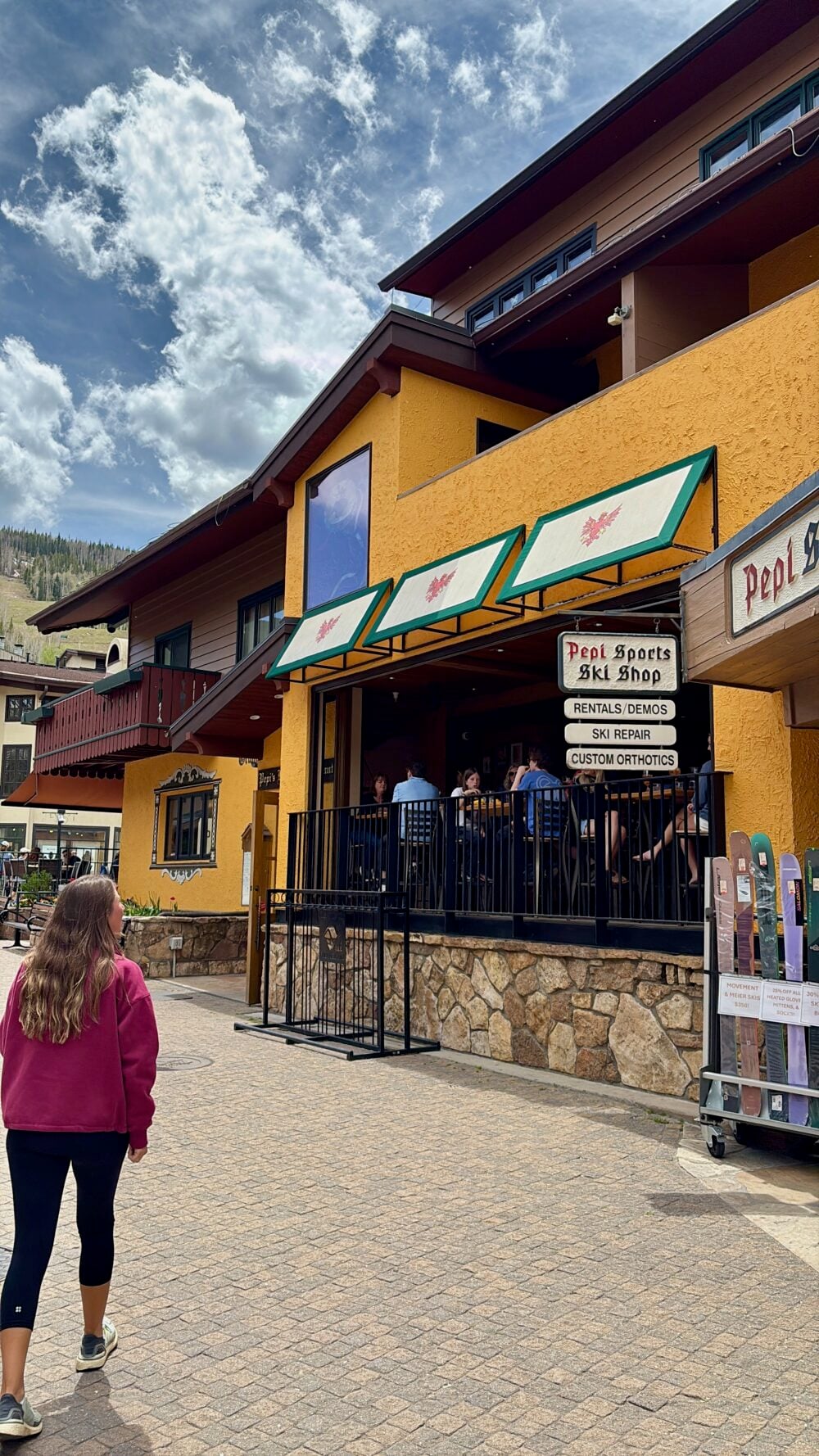
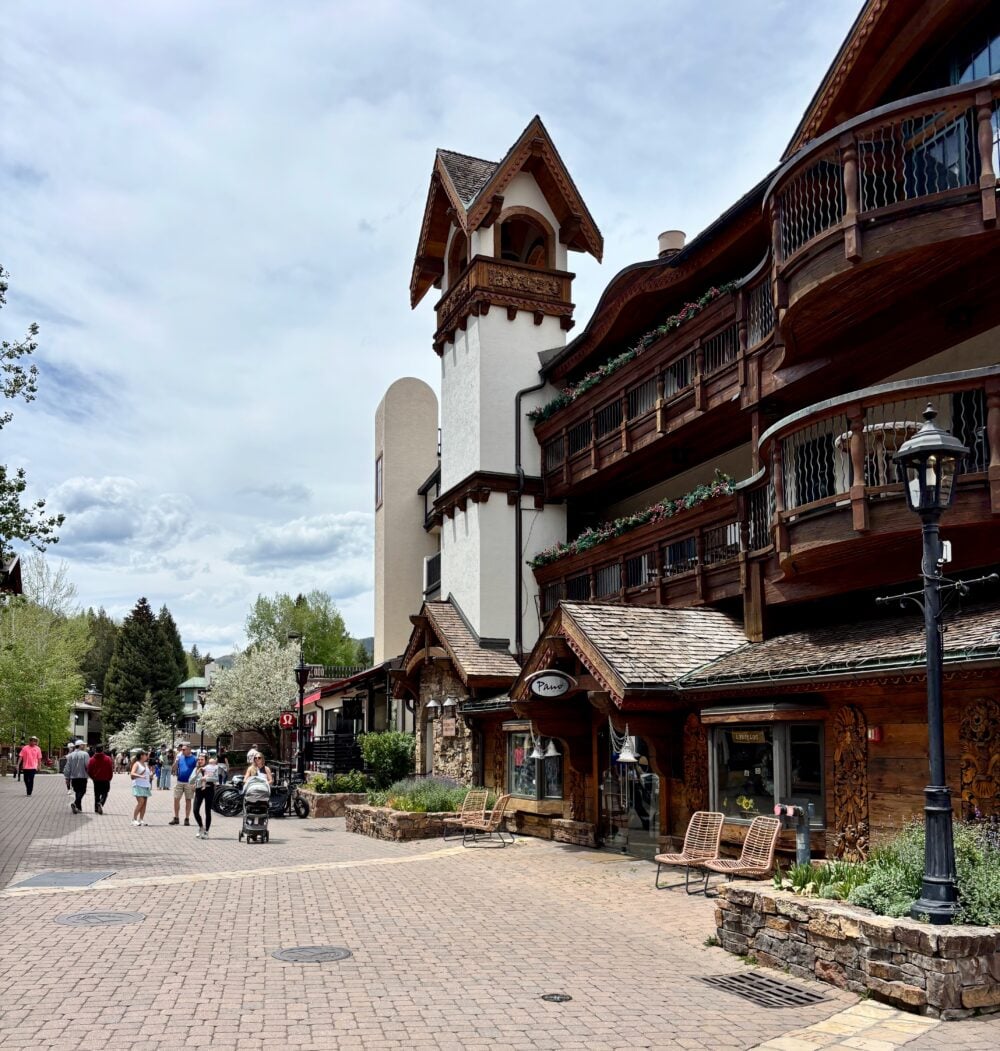
There’s also plenty of places to eat and drink in Vail, with quite a few eateries taking inspiration from European ski towns with chalet style buildings. Here’s my pick of the best places to eat in Vail:
Budget & Quick
- Yeti’s Grind — a local coffee stand, easy for a quick caffeine stop
- Vendetta’s — casual Italian-American, good value for Vail and popular with locals
- Los Amigos — Mexican food with a lively patio, another good-value pick in the Village
- Red Lion — a Vail Village landmark since 1962, right on Bridge Street, with a big outdoor deck, live music, and an easy, pub-like atmosphere. It’s good for a casual lunch or an après drink. We got their loaded nachos and it was the biggest plate I’d ever seen, a mountain of nachos!
Mid-Range
- Mountain Standard — elevated comfort food in a lively tavern setting; the burger here has a serious local reputation
- Bully Ranch (inside the Sonnenalp) — an old-school steakhouse feel with a convivial bar, good for a hearty dinner
- The Gashouse — just outside Vail on the way to Avon, in a rustic cabin setting with hand-cut, aged Colorado beef and wild game on the menu
Special Occasion
- Sweet Basil — one of Vail’s most established fine-dining names, right in the heart of the Village
- Matsuhisa — Nobu founder Chef Matsuhisa’s mountain outpost, Peruvian-Japanese fusion and superb sushi
- Game Creek — a unique mountainside restaurant reached by snowcat in winter or shuttle in summer, with European-influenced tasting menus and views to match the journey up.
Day 3: Grand Junction & Colorado National Monument
Vail → Grand Junction: 147 miles, ~2 hr 20 min.
The drive from Vail to Grand Junction is one of the most scenic stretches of the whole trip, running through Glenwood Canyon with the Colorado River alongside the interstate most of the way.
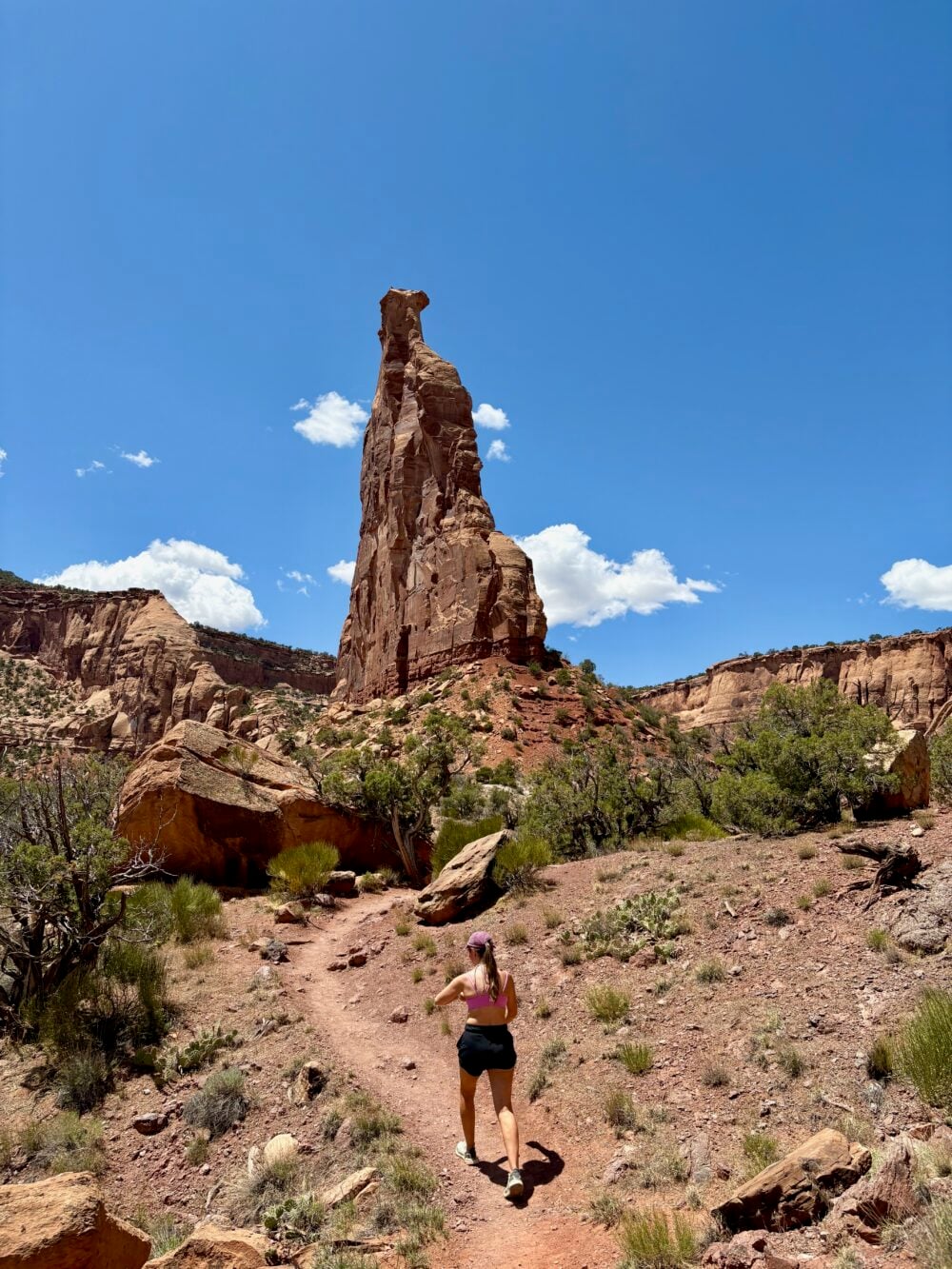
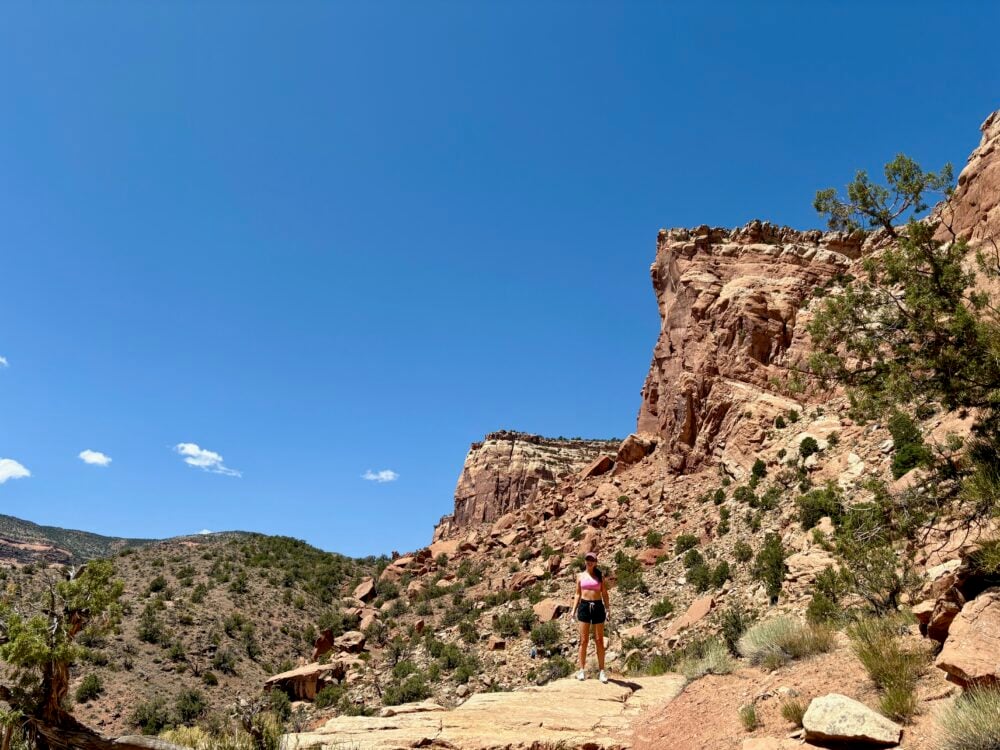
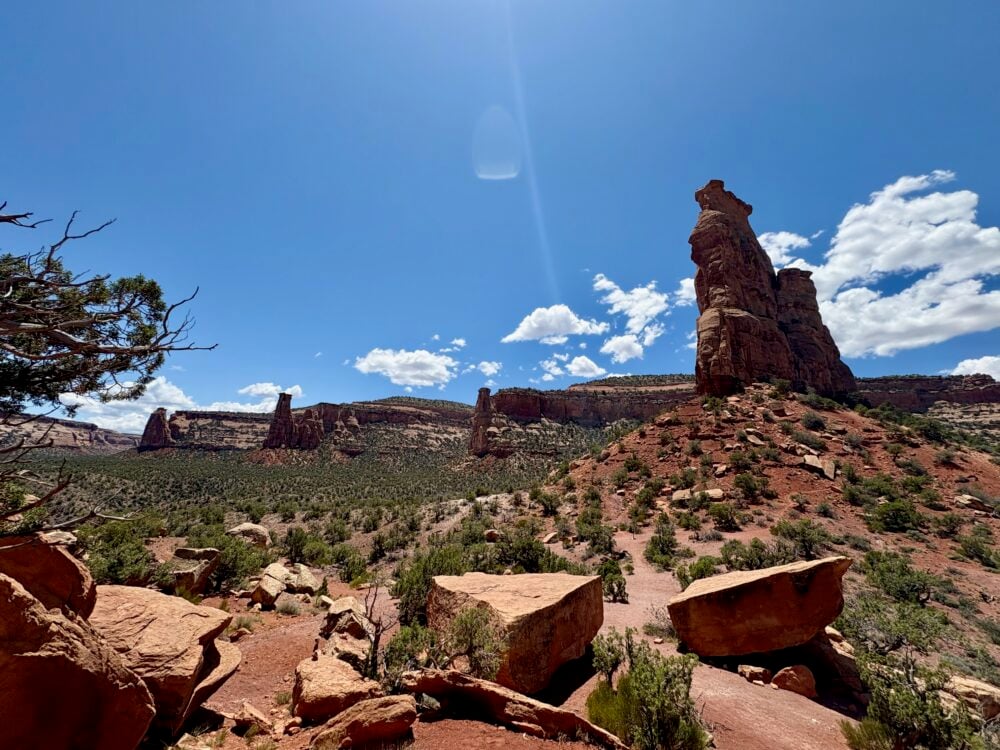
The main attraction in Grand Junction is Colorado National Monument, a dramatic red-rock canyon park just minutes from town. Rim Rock Drive, the park’s 23-mile scenic road, winds along the canyon rim past towering sandstone formations like Independence Monument, with nineteen overlooks and fourteen trailheads along the way. You could easily spend a full day here. A few hikes worth building in:
- Canyon Rim Trail (easy, ~1.6 miles round trip) — a gentle walk from the visitor centre with sweeping views into Wedding Canyon
- Window Rock Trail (easy, ~1 mile round trip) — short and family-friendly, ending at a striking natural window formation
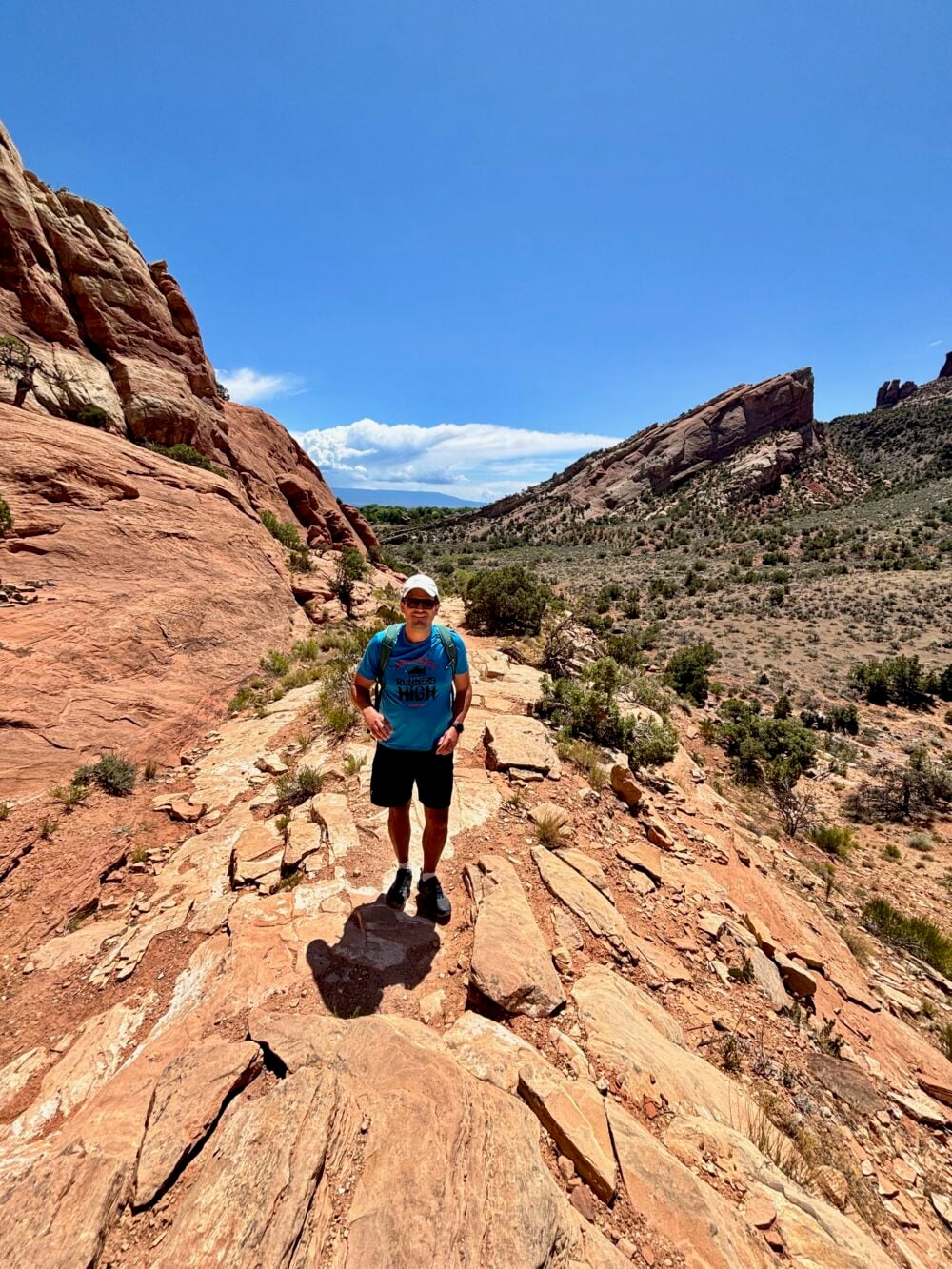
- Lower Monument Canyon to Independence Monument (moderate, ~4.8 miles round trip) – a more challenging ascent to the base of the Independence Monument
We did the Independence Monument hike listed. The route was well signposted at the start, but less markings on route. We were some of the only hikers, maybe because of the heat. I’d say definitely bring plenty of water as there’s very little shade anywhere in the park, and it gets hot fast in summer.
Entry is $25 per vehicle, valid for seven days, so it’s worth a second visit if you have time. Another option is to head along the routes by e-bike on a guided tour (from £120 per person).
Grand Junction is also popular for UTV/buggy tours, with tours ranging from sunrise or sunset adventures, to night sky tours with stargazing (all from £149 per person).
For the following morning, we had a slower start and enjoyed a wander around downtown Grand Junction, or a side trip out to Palisade for a little wine tasting. A very unexpected find in an area that’s so arid!
Where to stay, eat and drink in Grand Junction
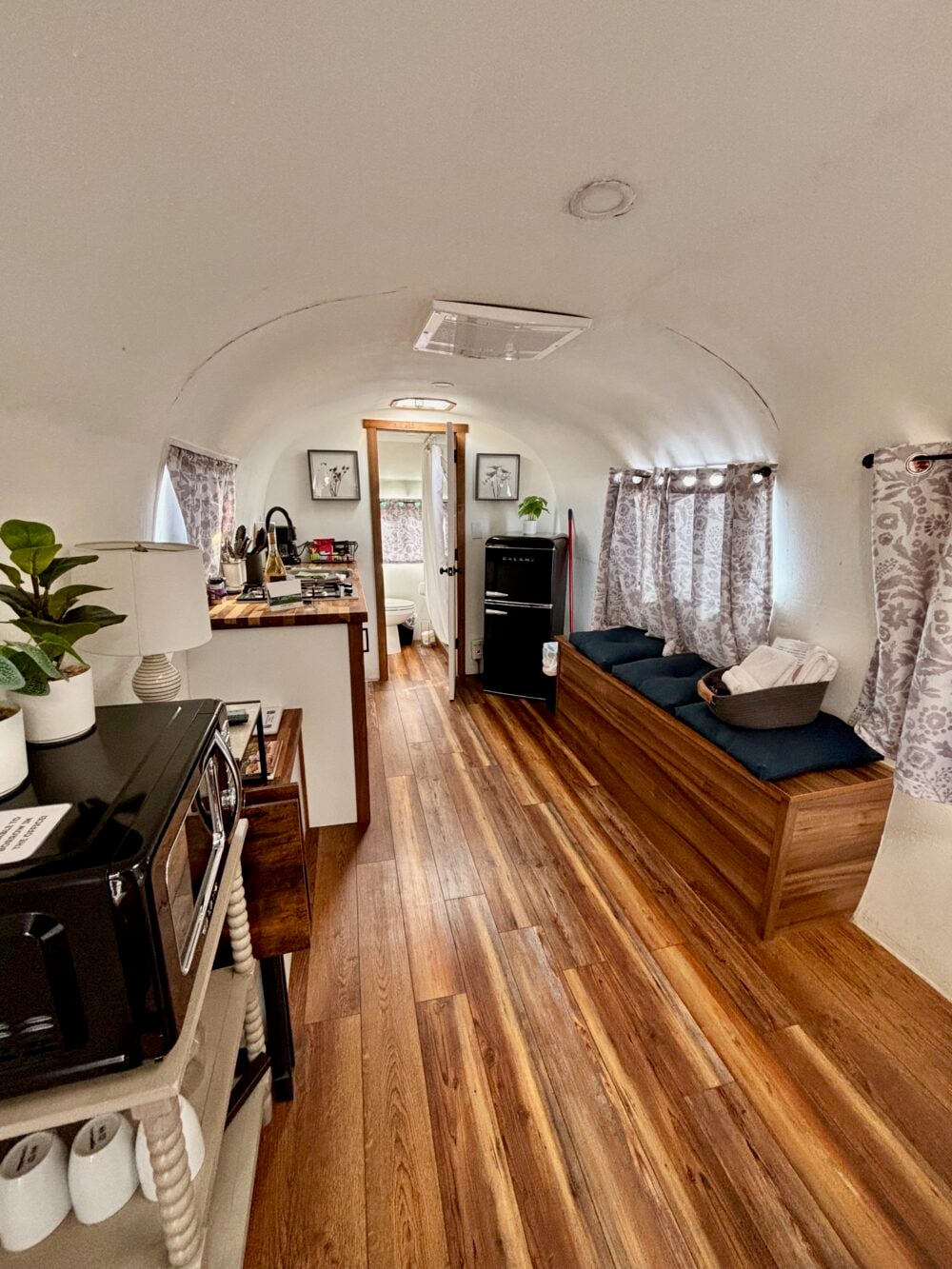
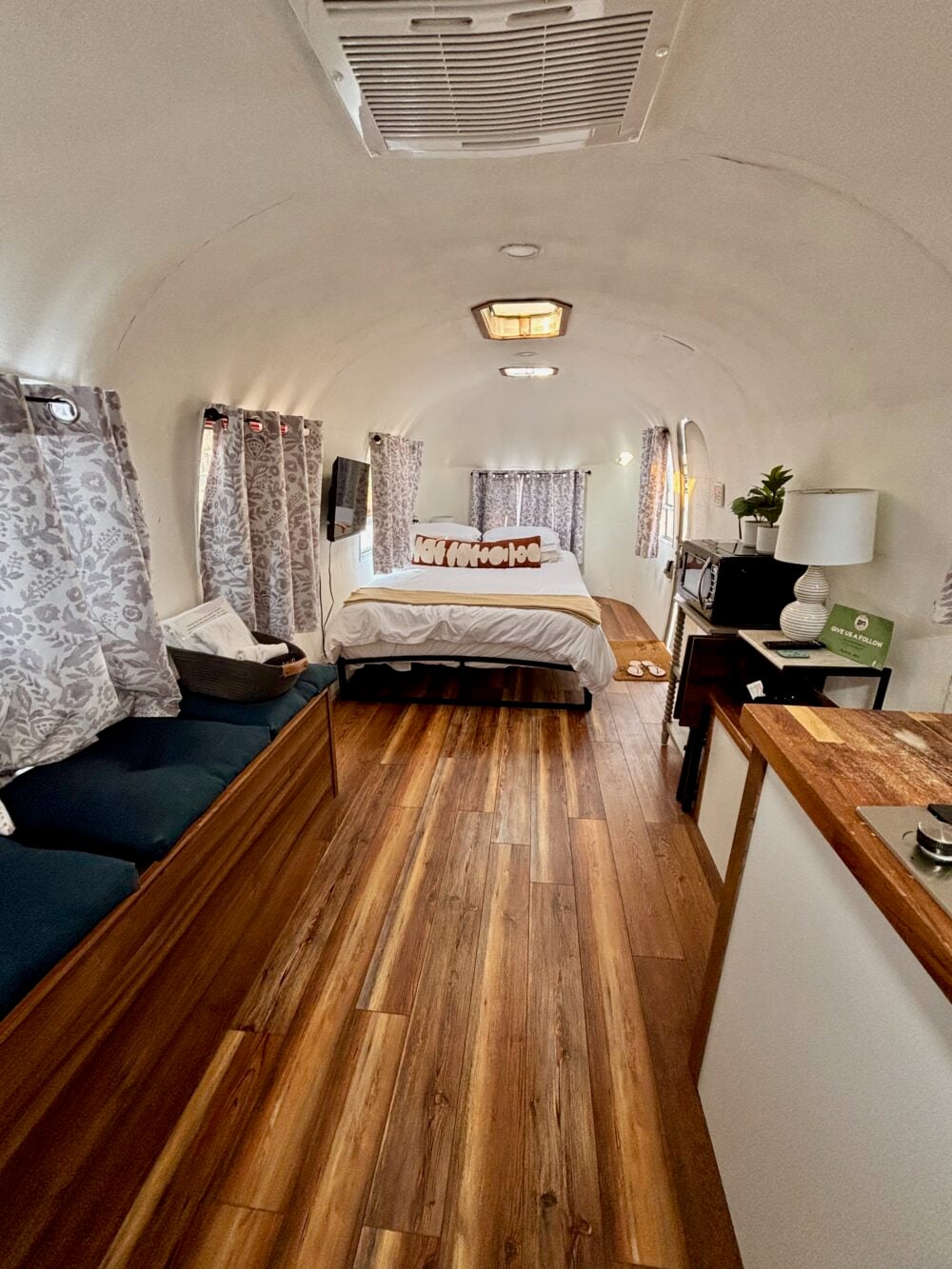
We stayed at Camp Eddy, a riverside spot in Las Colonias Park right on the banks of the Colorado River. It’s an unusual choice for a road trip base. We stayed in a renovated Airstreams (with great aircon, thank goodness!) but they also have tiny homes too. It was a fun change to a standard hotel room, with the river, walking and biking trails, and downtown Grand Junction all within easy reach. It’s pet-friendly too if you’re travelling with a dog.
Otherwise, there’s a selection of other places to stay. I’ve picked out some of the best options here:
- Budget: DoubleTree by Hilton Grand Junction (doubles from £73 per night), Hampton Inn Downtown (doubles from £84 per night)
- Mid-Range: Tru By Hilton Grand Junction Downtown (doubles from £88 per night), Best Western Grande River Inn & Suites (double rooms from £101 per night),
- Luxury: Hotel Maverick (doubles from £167 per night, The Hotel Melrose (doubles from £169 per night)
Grand Junction surprised me with the number of low rise fast food restaurants across the city. We may have treated ourselves to a delicious Chick-fil-A after our big hike!
We ended up doing a bit of self catering in our Airstream, so made good use of the nearby Sprouts Farmers Market, which had a fantastic array of food options and produce.
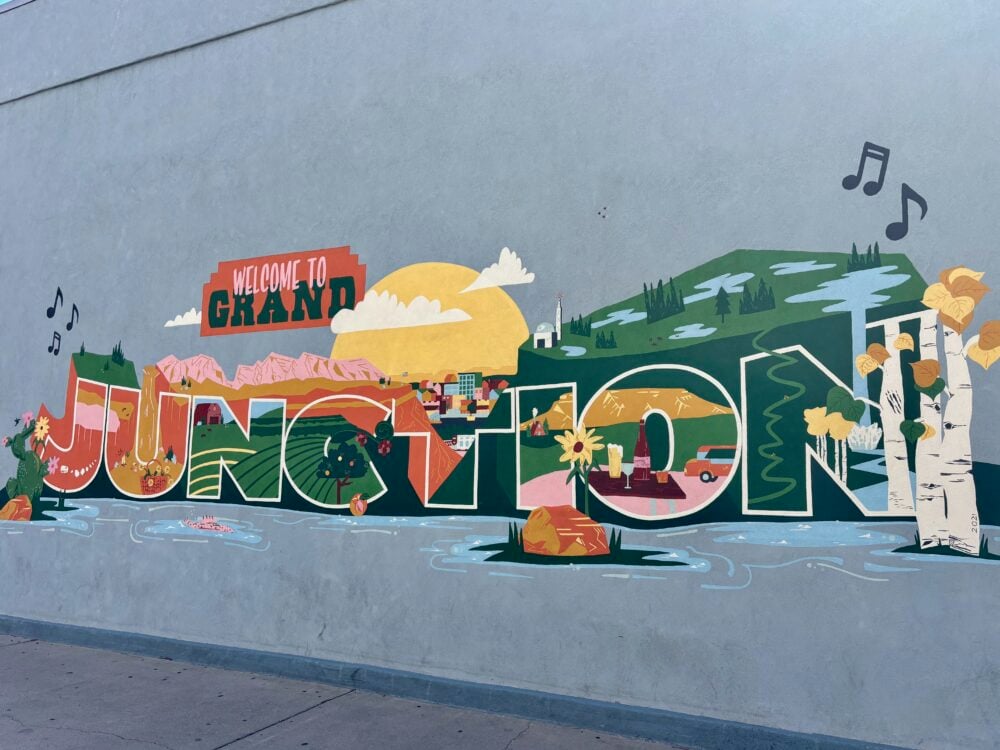
Downtown’s Main Street is where most of the best food is, an easy walk from Camp Eddy or any of the downtown hotels above:
Budget & Quick
- Café Sol — a locally owned, organic-leaning café on Main Street, great for brunch, soups, and paninis, with a charming patio
- Rockslide Restaurant & Brewery — Grand Junction’s original brewpub, over 25 years old, serving solid pub food alongside its own craft beers
Mid-Range
- Il Bistro Italiano — a cosy, chef-owned Italian bistro with a good wine list featuring local vineyards
- The Winery Restaurant — a Western Slope institution for over 40 years, steaks and wild seafood served in a vine-canopied breezeway setting
Special Occasion
- Bin 707 Foodbar — a James Beard-nominated chef’s seasonal, responsibly sourced menu, widely considered one of the best tables in town
- Devil’s Kitchen (atop Hotel Maverick) — rooftop dining with some of the best views in Grand Junction, a seasonal menu, and a special-occasion feel
Day 4: Carbondale and Basalt
Grand Junction → Carbondale and Basalt: 100 miles, ~1 hr 50 min.
From Grand Junction, it’s under two hours to Carbondale and Basalt, two small, laid-back towns in the Roaring Fork Valley that make a nice quieter stop between the desert and the mountains.
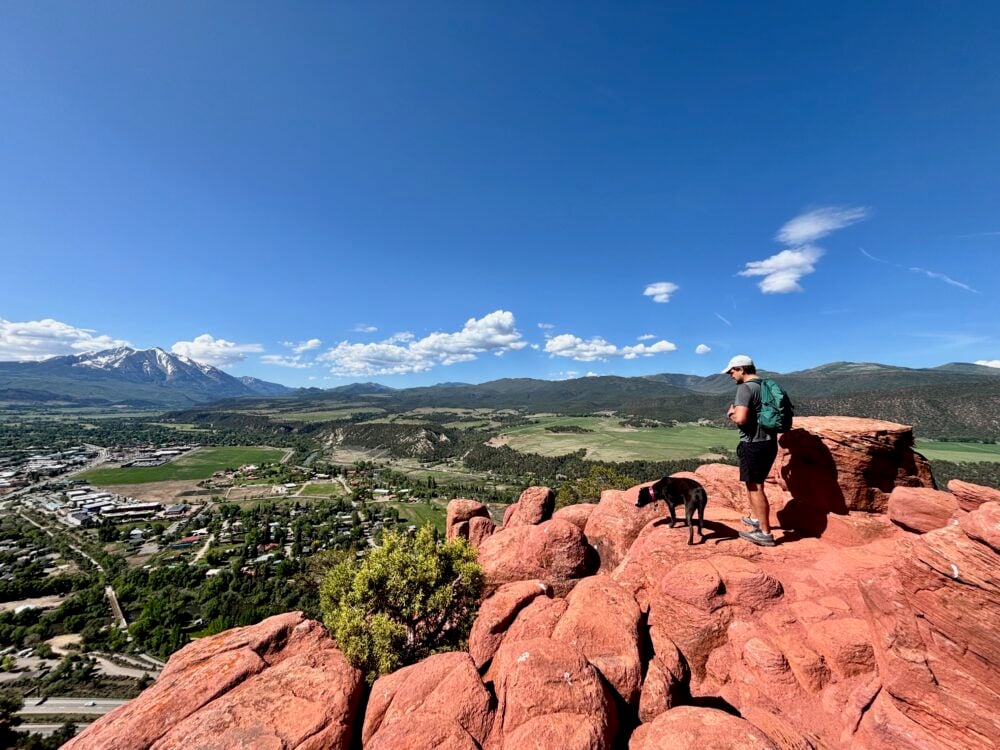
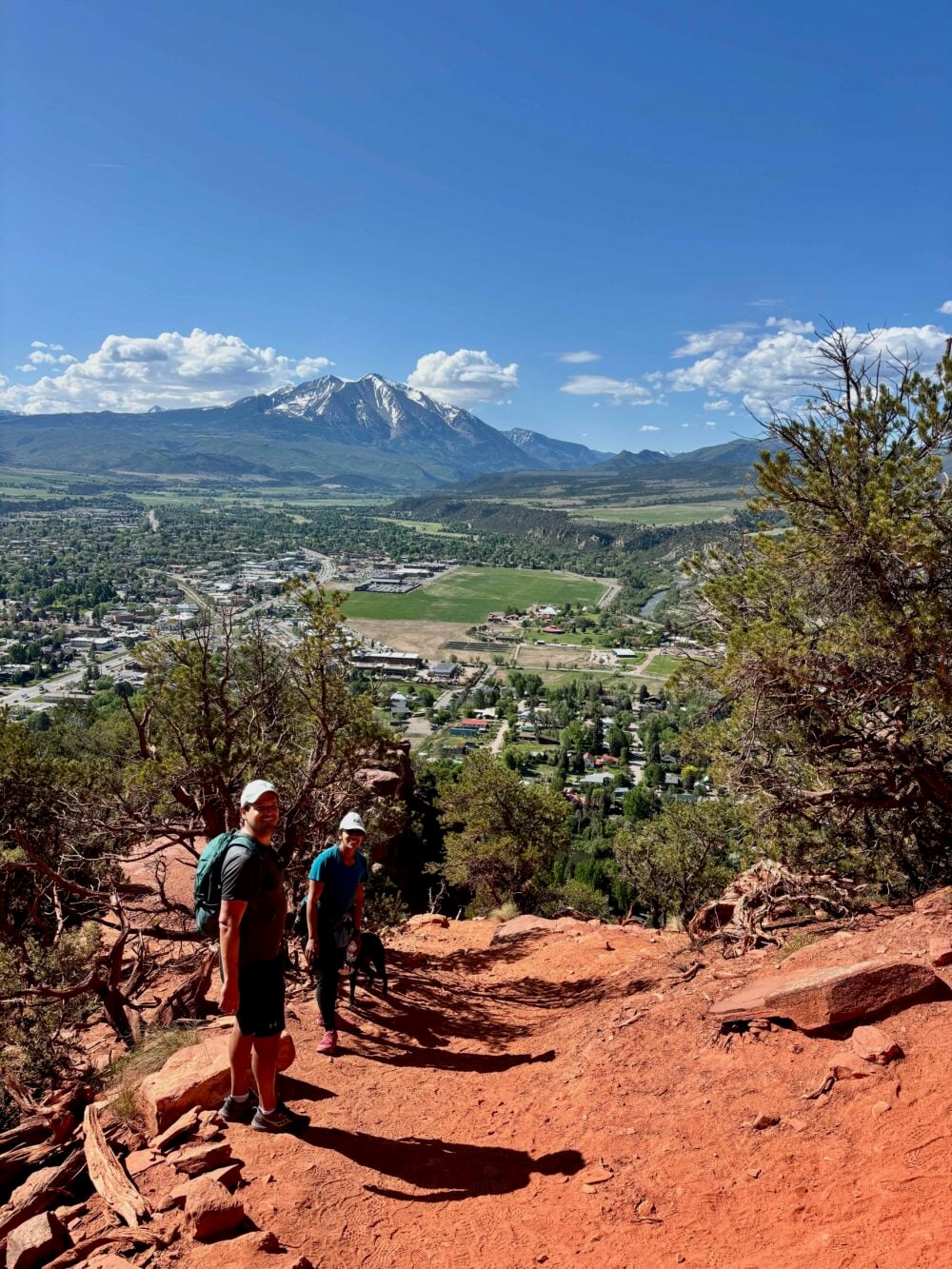
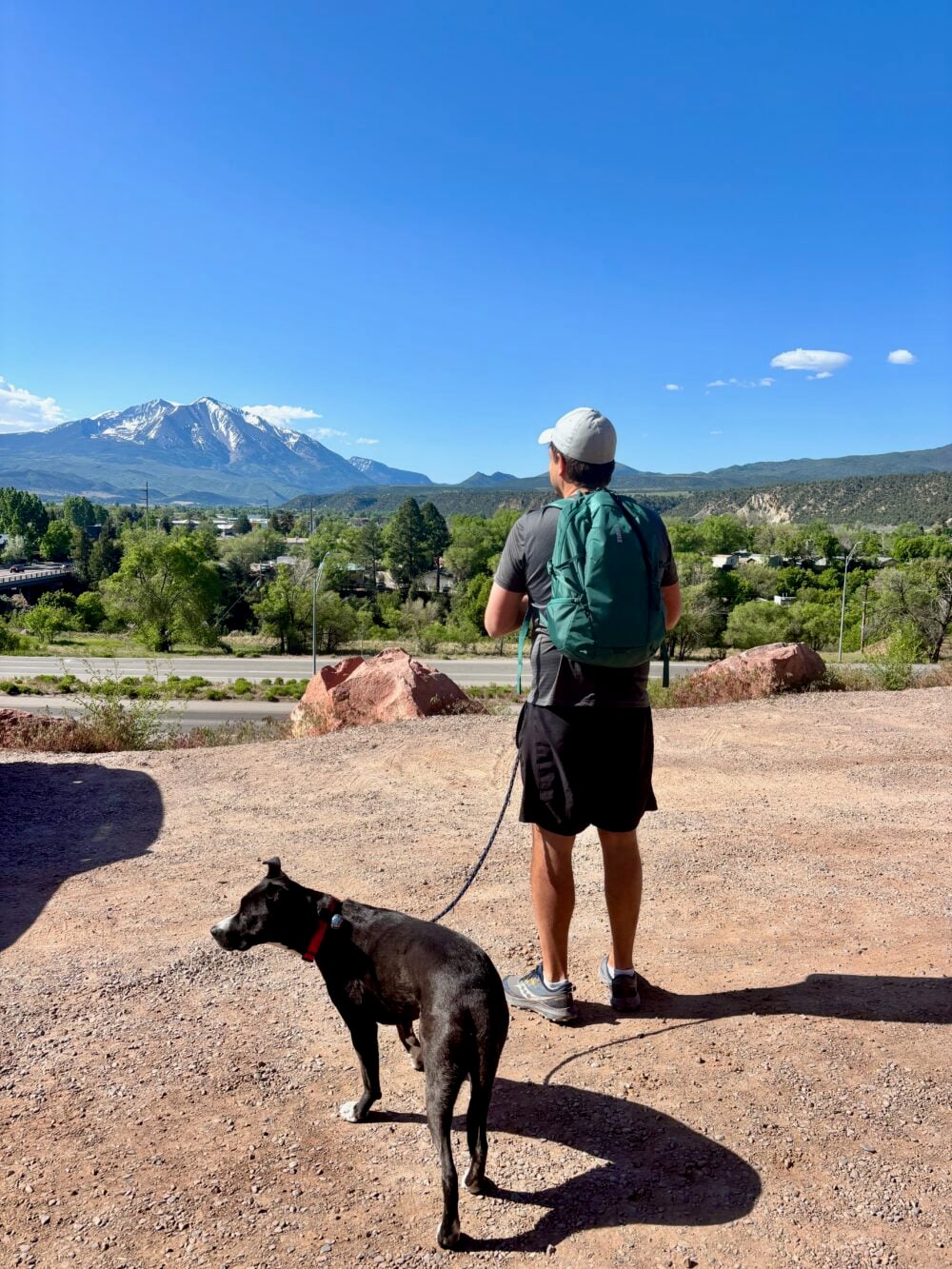
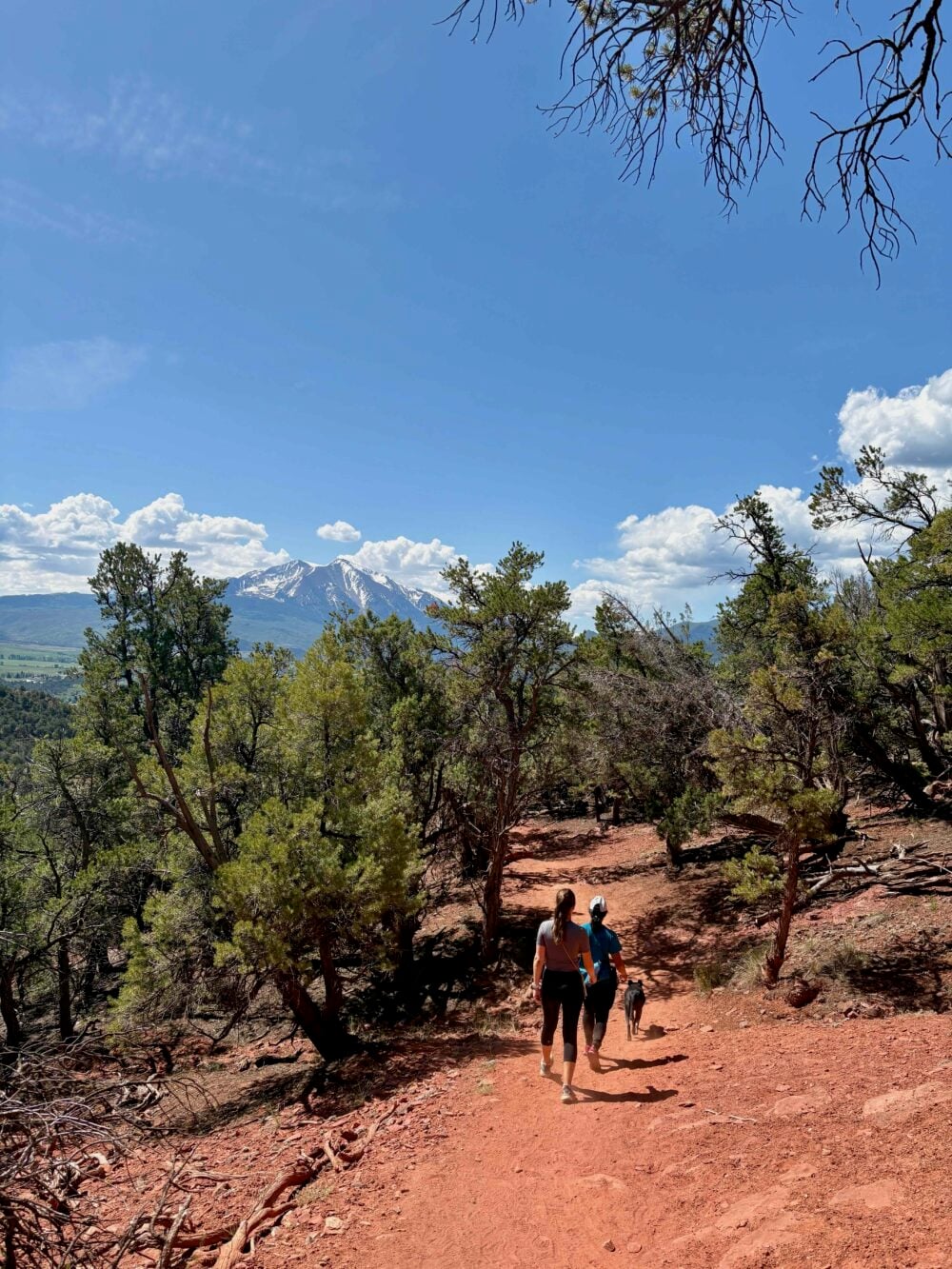
We spent the the day hiking the Red Hill trail system, right on the edge of Carbondale. The classic loop climbs through red sandstone and juniper up to Mushroom Rock, with some of the best views in the valley of Mount Sopris, the striking double peak that dominates the skyline here. Routes range from a couple of miles to longer loops if you want more of a workout.
Carbondale itself is worth an afternoon wander too. It has a charming, walkable little downtown with a handful of good coffee shops and restaurants, and a nice change of pace before Aspen. There weren’t any or many tourists in Carbondale and we really enjoyed our day here.
Where to stay, eat and drink in Carbondale and Basalt
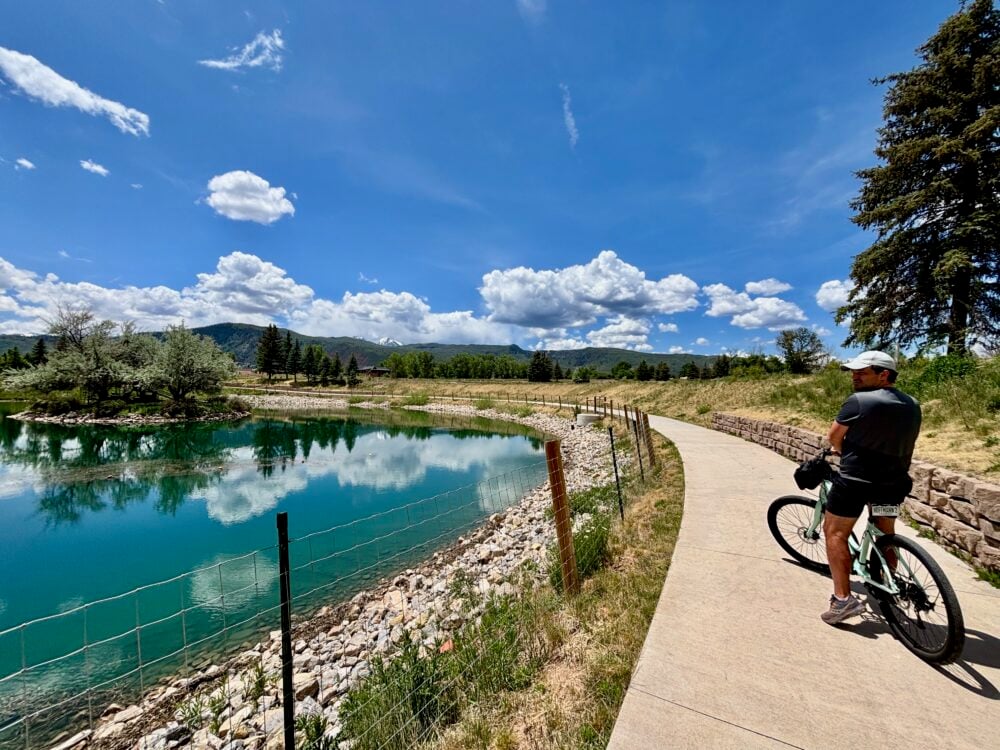
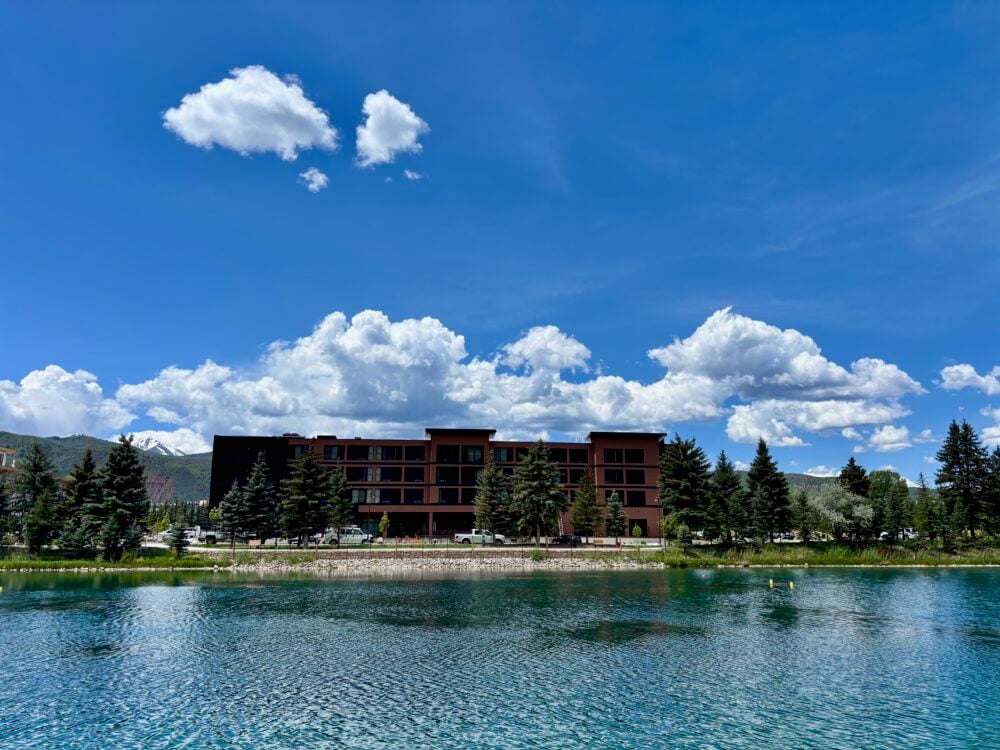
We stayed in Basalt at the The Hoffmann Hotel (part of Tapestry Collection Hilton), which we’d highly recommend. It was a stunning hotel, set beside a beautiful lake. We took their hire bikes and cycled around.
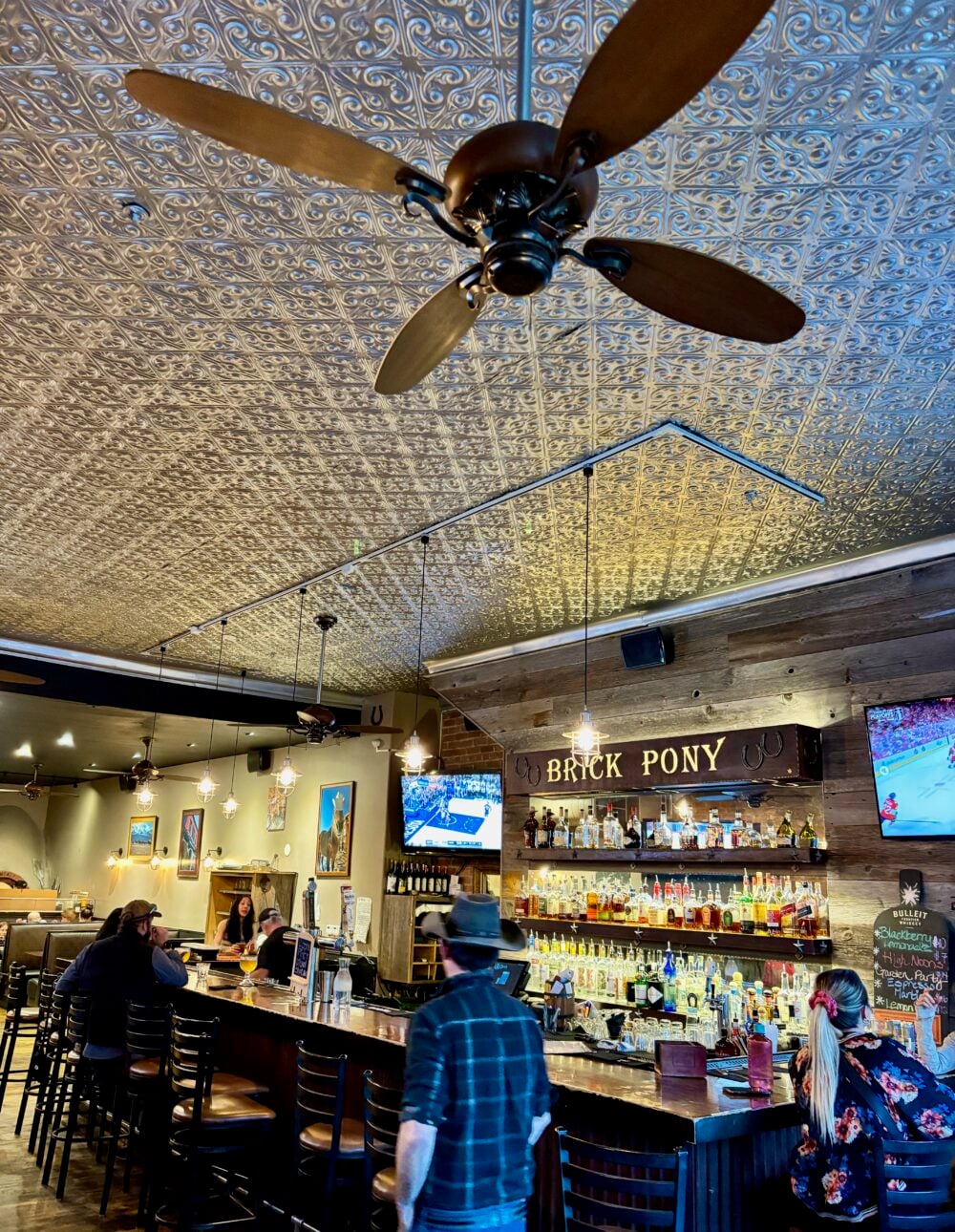
In the evening, we headed into the centre of Basalt for dinner, and enjoyed a delicious meal at The Brick Pony Pub.
Budget
- Days Inn by Wyndham Carbondale (doubles from £122 per night)— a reliable, pet-friendly budget option near the Roaring Fork River
- Comfort Inn & Suites Carbondale on the Roaring Fork (doubles from £135 per night). A well-rated, good for adventure-focused travellers wanting an easy base
Mid-Range
- Basalt Mountain Inn (doubles from £132 per night). Set on Basalt’s Midland Avenue commercial strip, an easy walk to restaurants and shops
- Element by Marriott Basalt – Aspen (doubles from £203 per night). A stylish and modern, with free bikes and a fitness centre, close to Willits Town Center
Luxury
- The Hoffmann Hotel Basalt Aspen, Tapestry Collection by Hilton (doubles from £214 per night). A boutique and design-led, with an on-site restaurant and terrace
Both towns punch well above their size for food, both with excellent, varied downtown dining scenes for places so small:
Budget & Quick
- White House Pizza — a Carbondale institution serving hand-stretched Colorado-style pies, calzones, and stromboli in a casual, dog-friendly setting
- FatBelly Burgers — fast, no-frills comfort food with a local twist: grass-fed beef and lamb burgers, hand-cut fries, thick milkshakes
- Bonfire Coffee — the go-to local coffee stop in Carbondale
- Heather’s Savory Pies and Tapas Bar (Basalt) — known for its savoury pot pies and desserts, with good outdoor seating on Midland Avenue
Mid-Range
- Mi Casita — authentic Mexican and seafood in the heart of downtown Carbondale, home of the valley’s famous “turborita”
- Tempranillo (Basalt) — excellent Spanish tapas with lovely outdoor porch dining
- Café Bernard (Basalt) — a local favourite since 1990, classic bistro fare
- The Brick Pony Pub (Basalt) — great atmosphere, with an excellent pub menu
Special Occasion
- Amara — widely considered one of Carbondale’s best restaurants, with a polished, contemporary menu
- Izakaya Carbondale — Japanese small plates in a stylish, atmospheric setting
- Gemma by Angelo Elia (Basalt) — an elevated, authentic Italian restaurant from a well-known Aspen-valley restaurant family
Day 5-6: Aspen & Snowmass, with Maroon Bells
Carbondale → Snowmass: 25 miles, ~35 min.
Carbondale to Snowmass is a short, easy drive, so you’ll have plenty of time on Day 6 to settle in.
We based ourselves in Snowmass rather than Aspen itself for these two nights. It’s quieter and generally better value, and just a 10/15 minute drive from the heart of Aspen.
For our first day, we explored Aspen and took it easy before spending our second day doing some serious hiking.
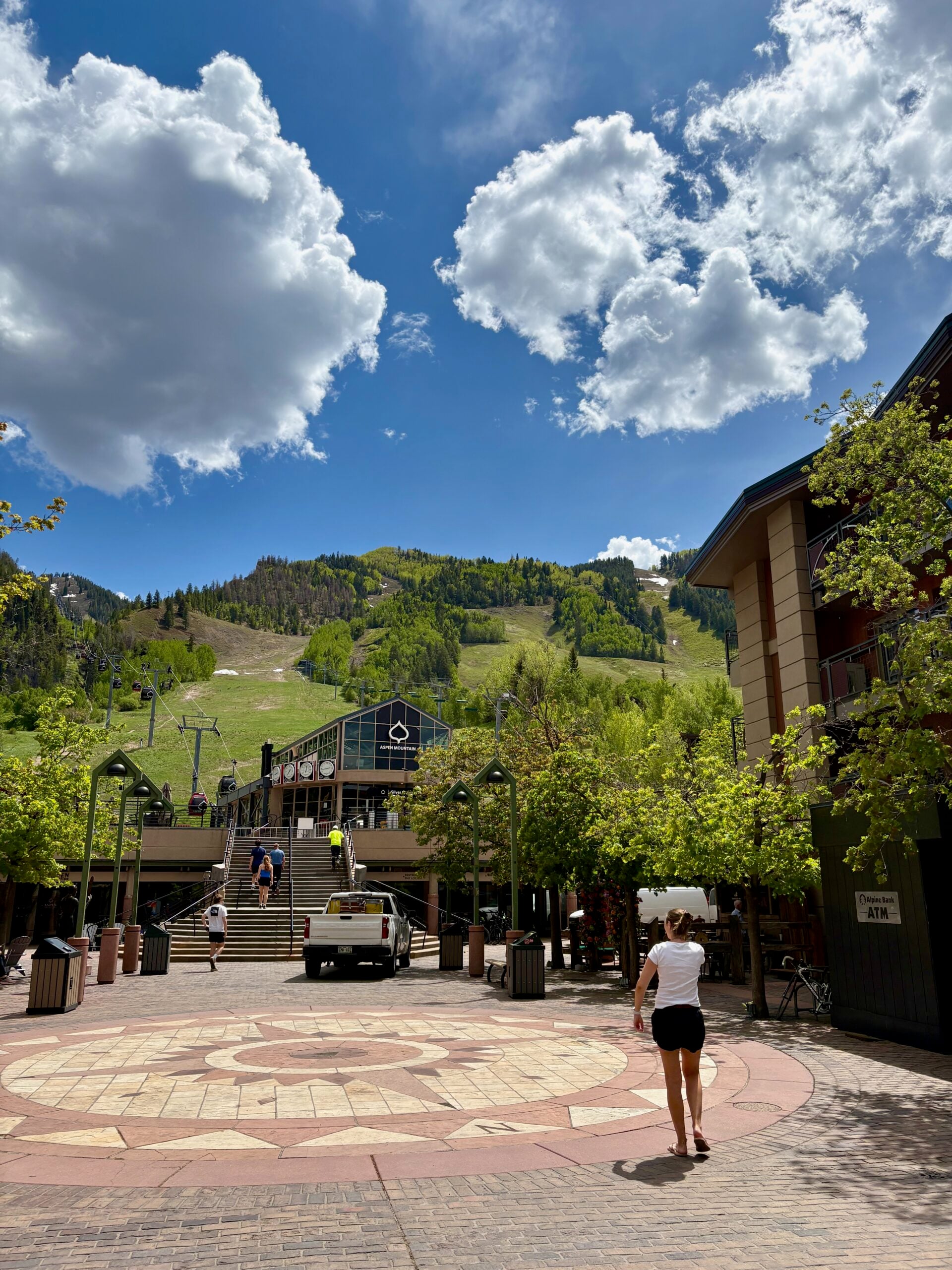
I’ve got to caveat visiting Aspen in late May. It wasn’t the best time to visit. The skiers had long gone (as had the snow) and the ski lifts were closed. Turns out there is this awkward period between the end of Aspen’s winter season and the start of their summer season, when the ski lifts open up to hikers.
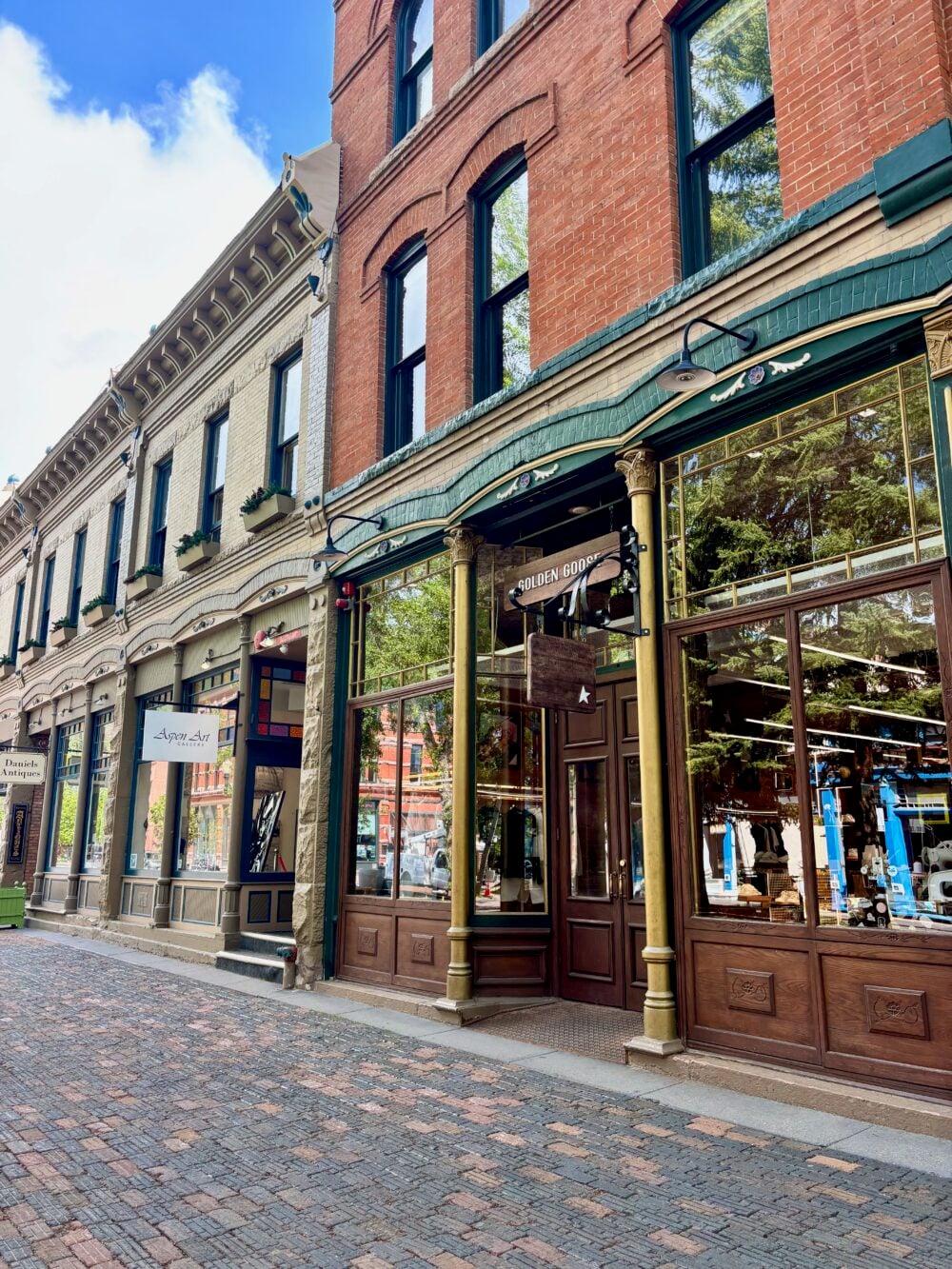
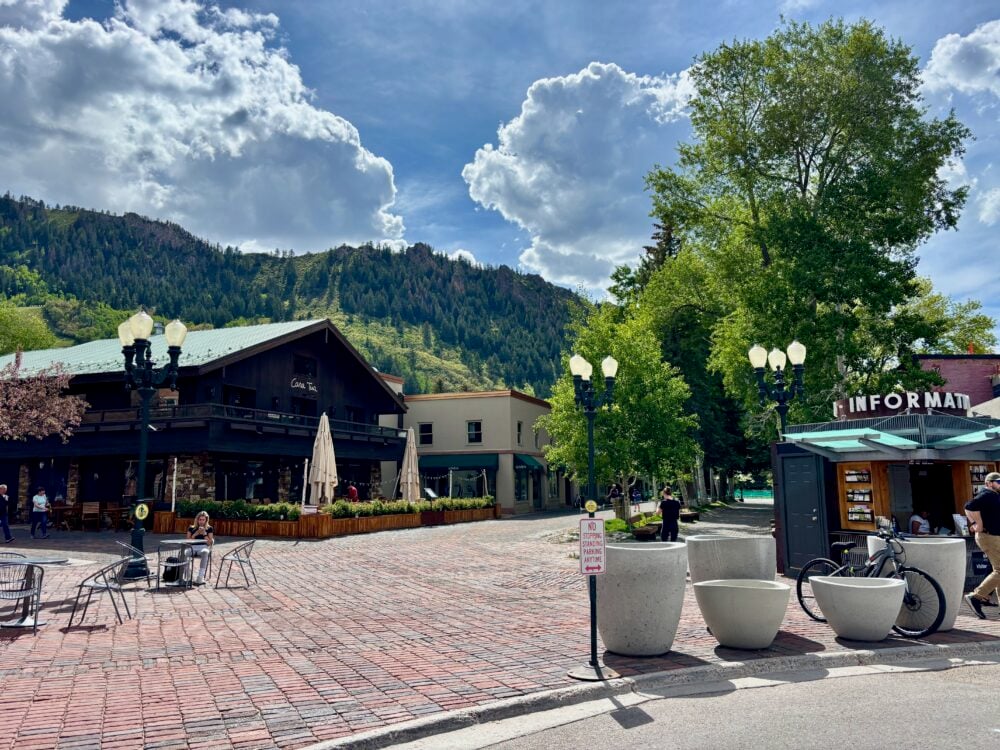
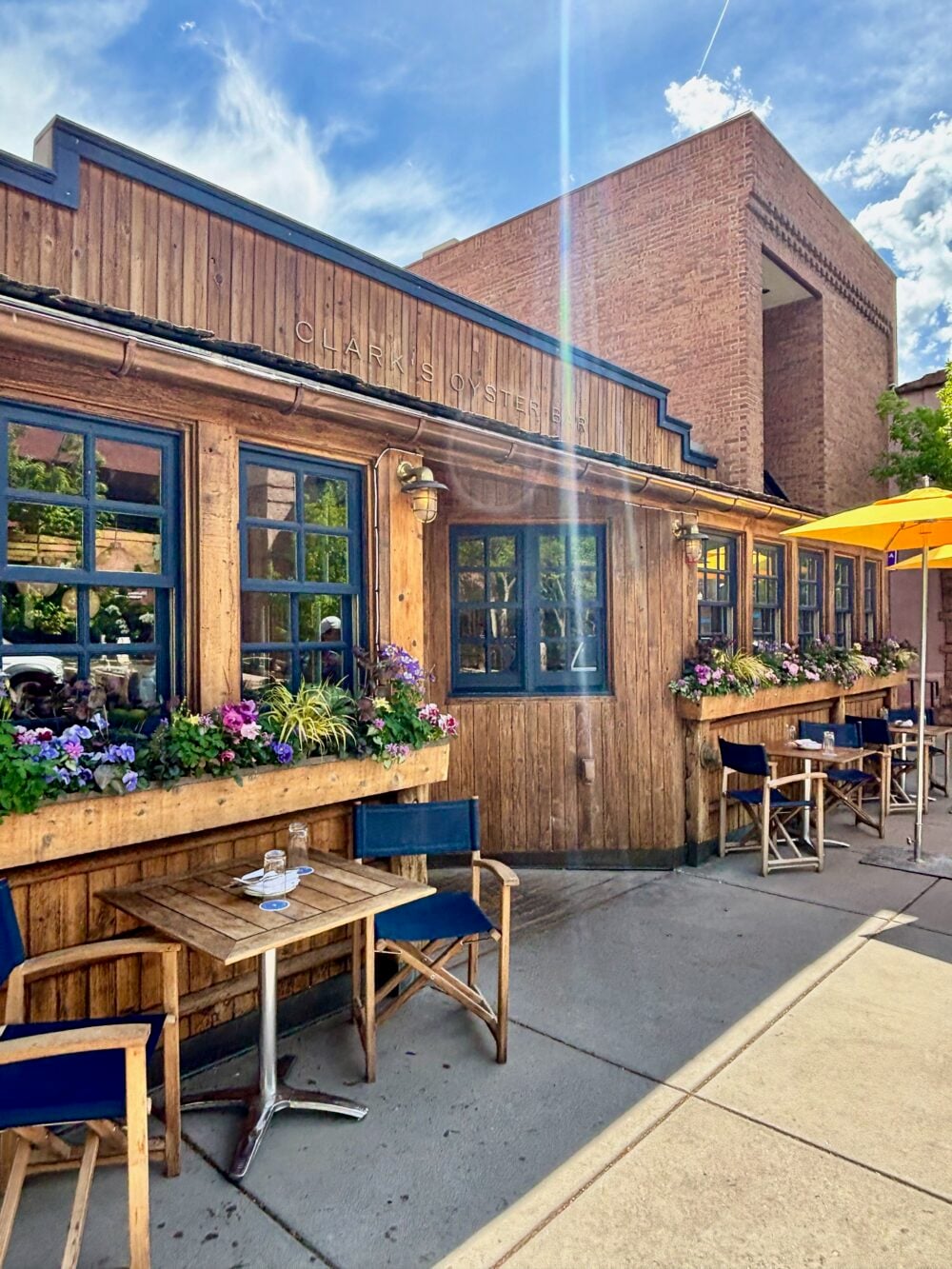
A lot of Aspen town centre was closed or very quiet, with a lot of building and street upgrades taking place. It was almost deserted actually. So whilst we did wander and enjoy our slow day there, I know it would have been a very different experience had we gone earlier in Spring or later in Summer. If I visit again in the core summer months (June to August), I would definitely join a guided walking tour to see more of Aspen (from £36 per person).
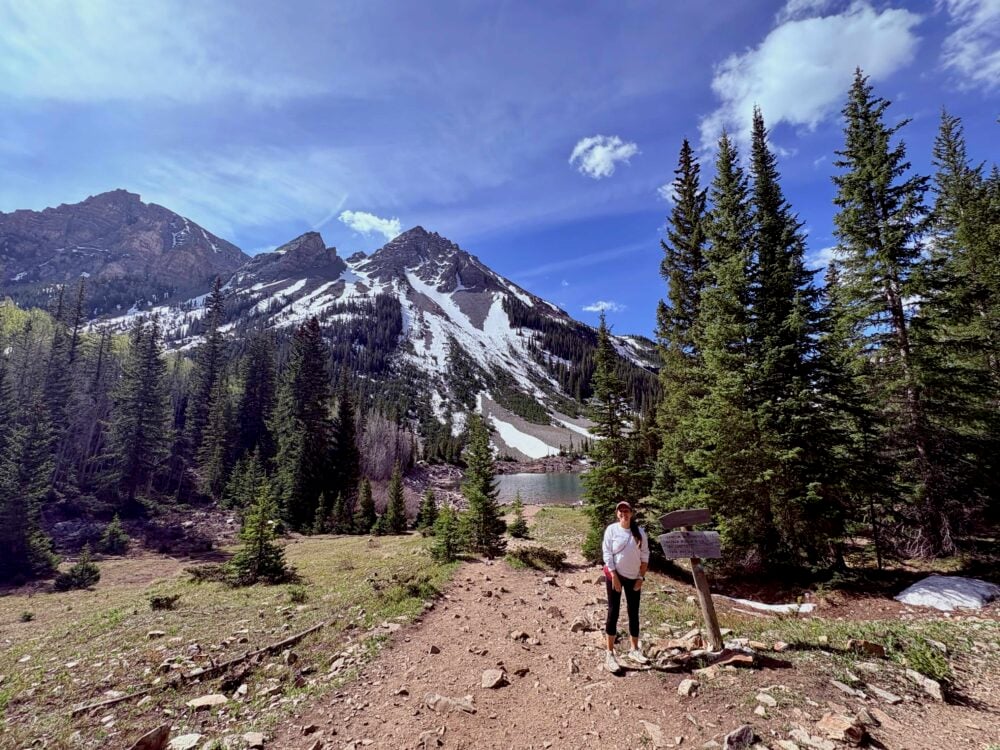
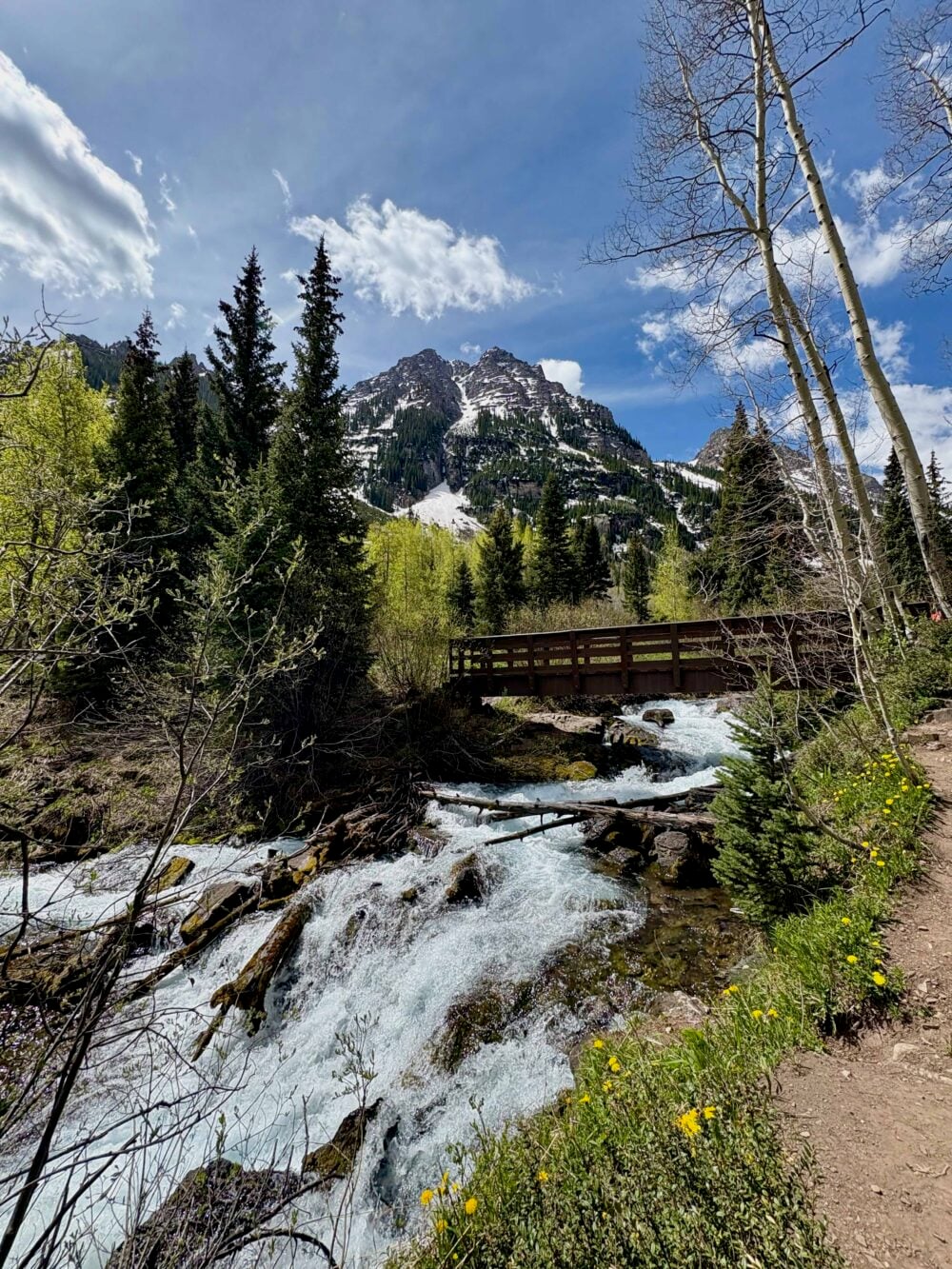
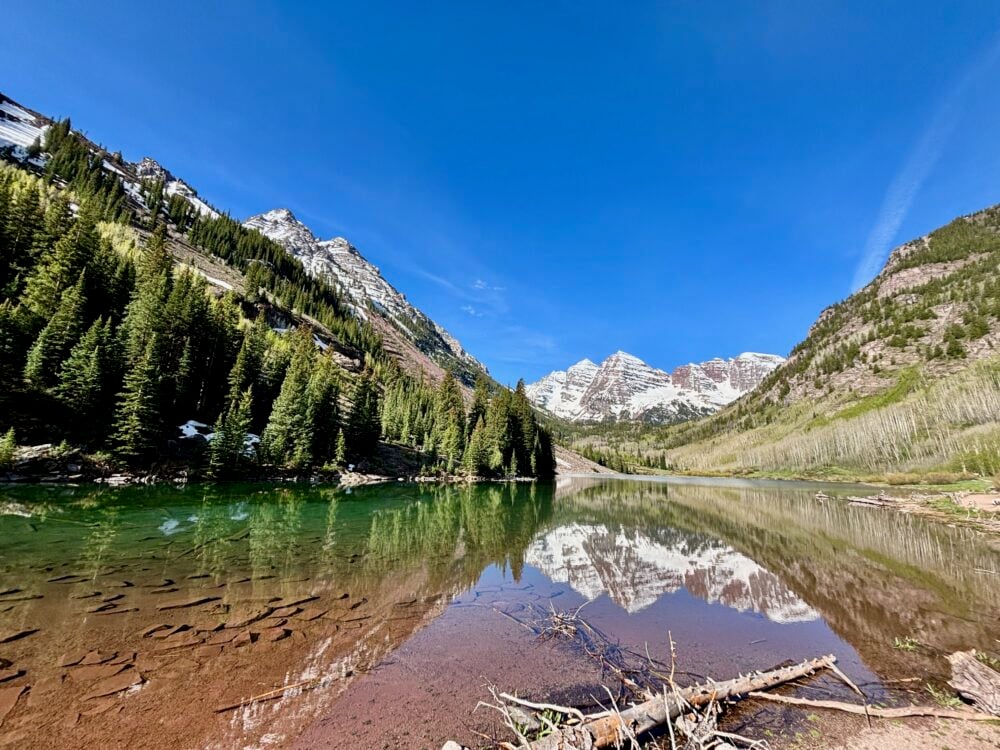
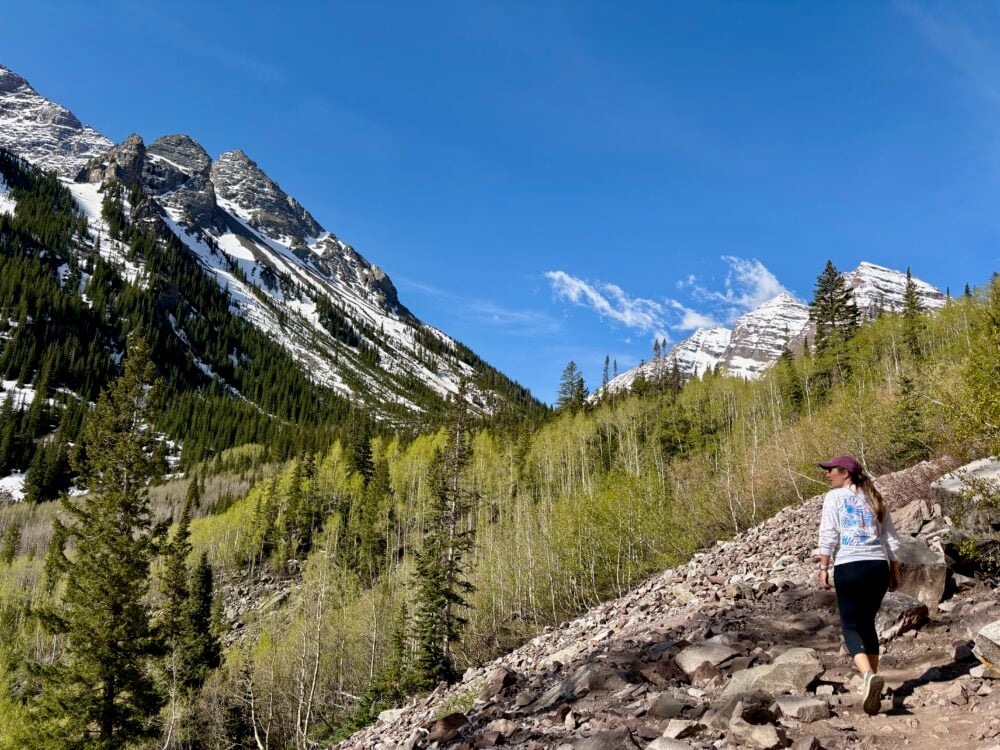
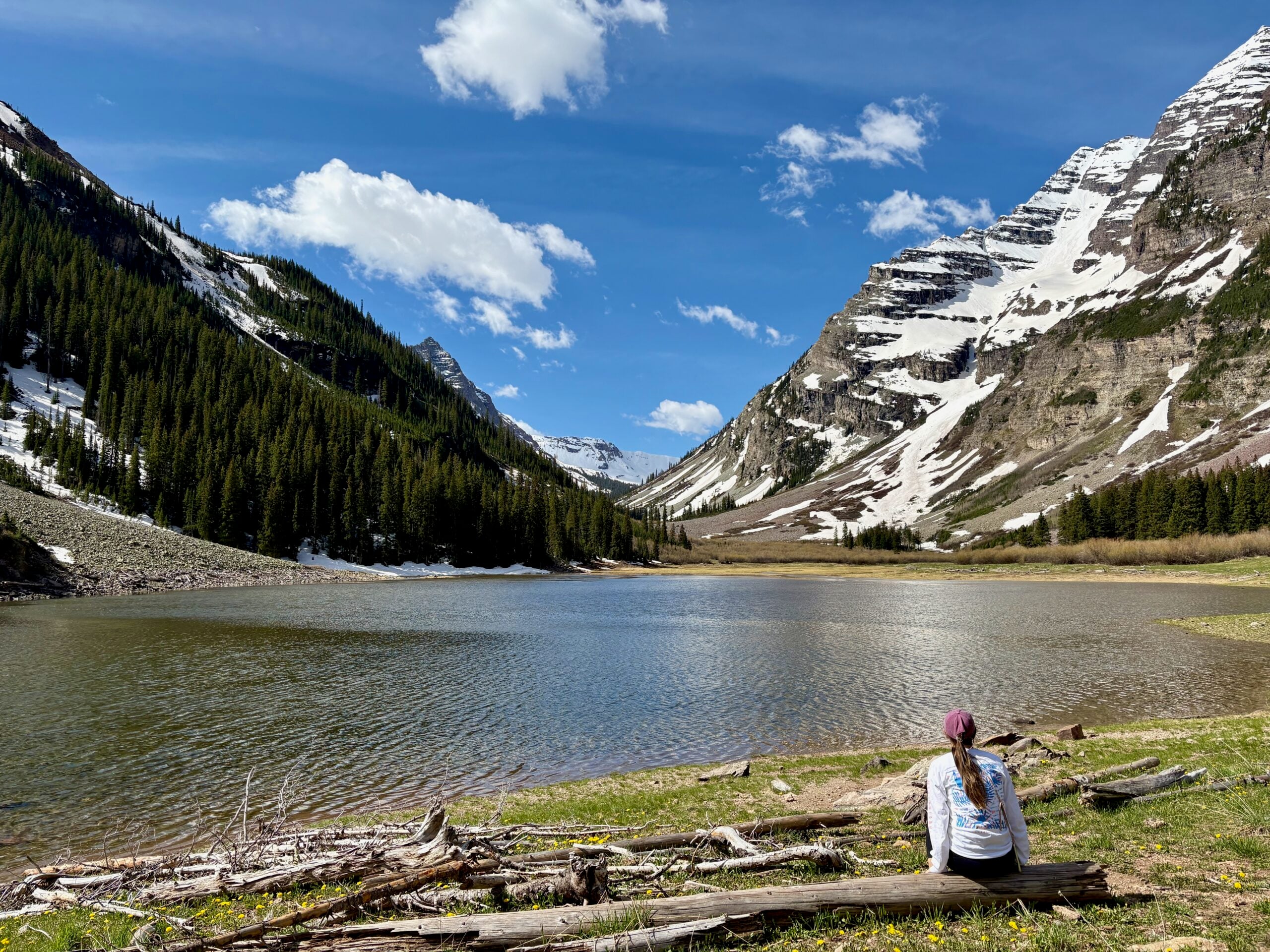
The must-do activity in Aspen is the hike to Maroon Bells. I believe that these are the most photographed mountains in North America, and good reason. They rise up high and are reflected in Maroon Lake against the Elk Mountains.
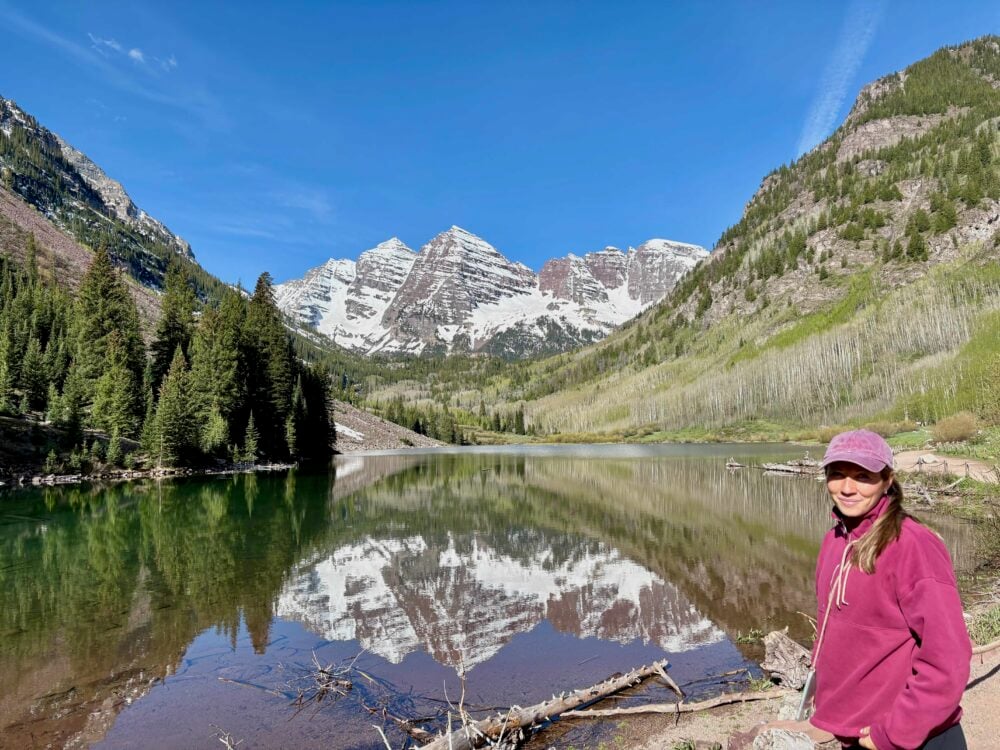
Accesss is tightly managed and you cannot freely drive up from mid-May to late October. This rule applies to Maroon Creek Road between 8am and 5pm. So during those hours you’ll need either the RFTA shuttle from Aspen Highlands or a timed parking reservation to arrive before 8am or after 5pm. Both need to be booked ahead at aspenchamber.org, and they do sell out on summer weekends, so sort this before you arrive.
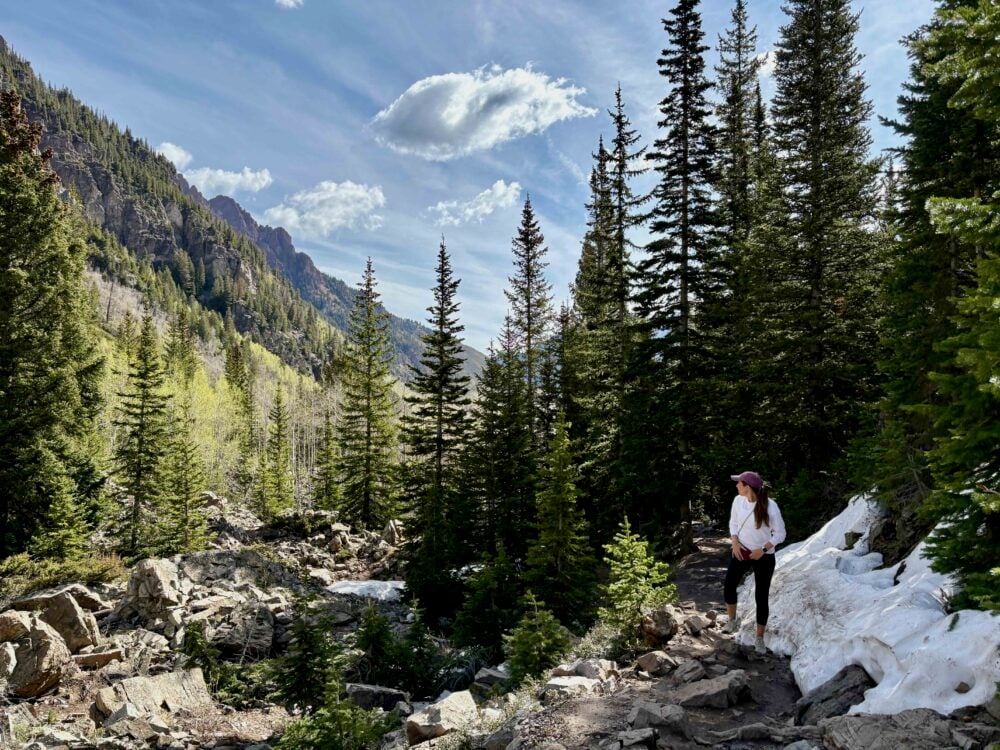
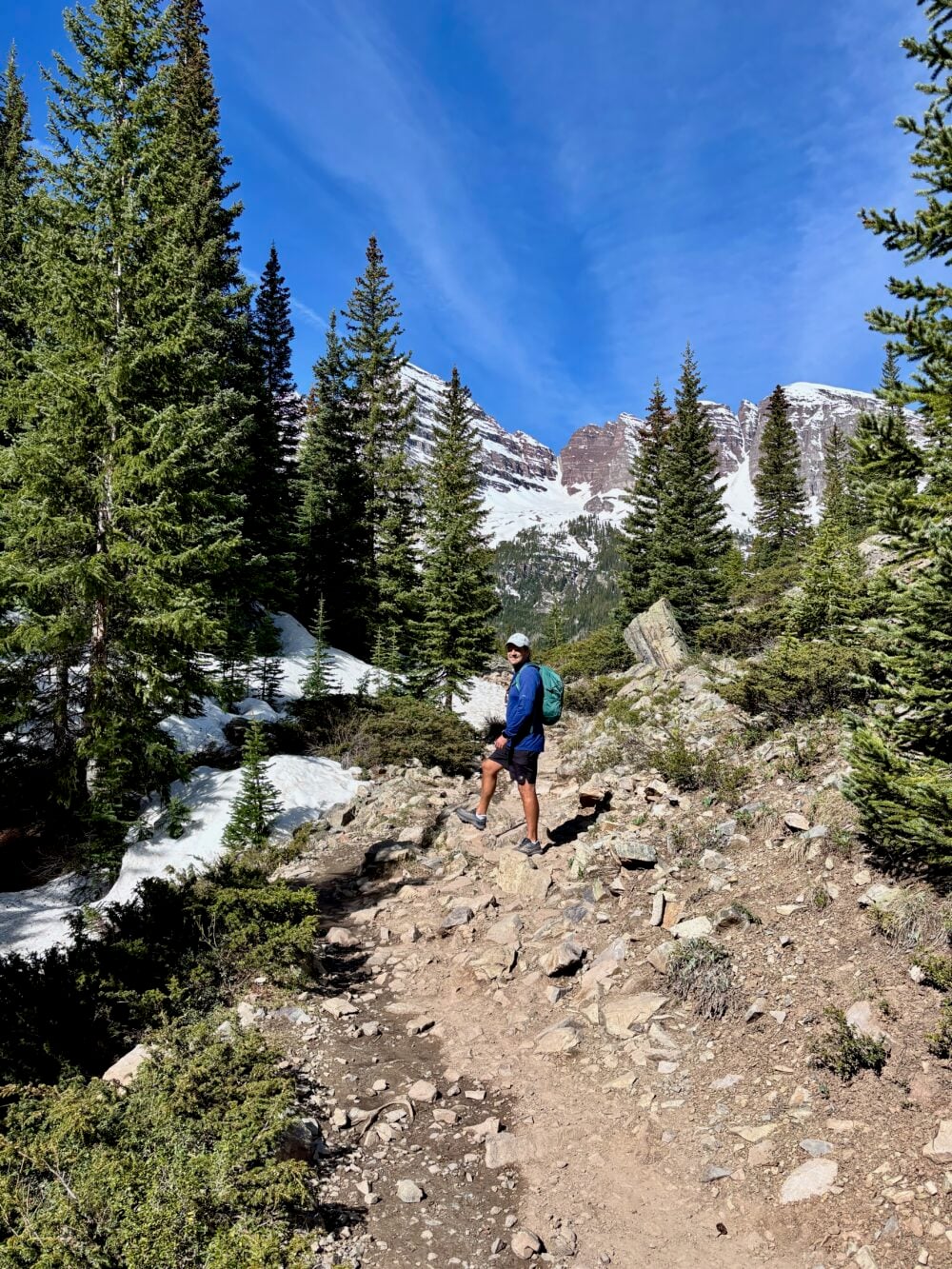
Once there, the walk around Maroon Lake itself is short and flat, but if you want more of a hike, the trail up to Crater Lake (about 3.5 miles round trip) climbs further into the wilderness with even fewer crowds. We absolutely loved our hiking day here, and it was so fun hiking about in the snow higher up. There are no cafes or shops, so bring everything you need for a day’s hiking.
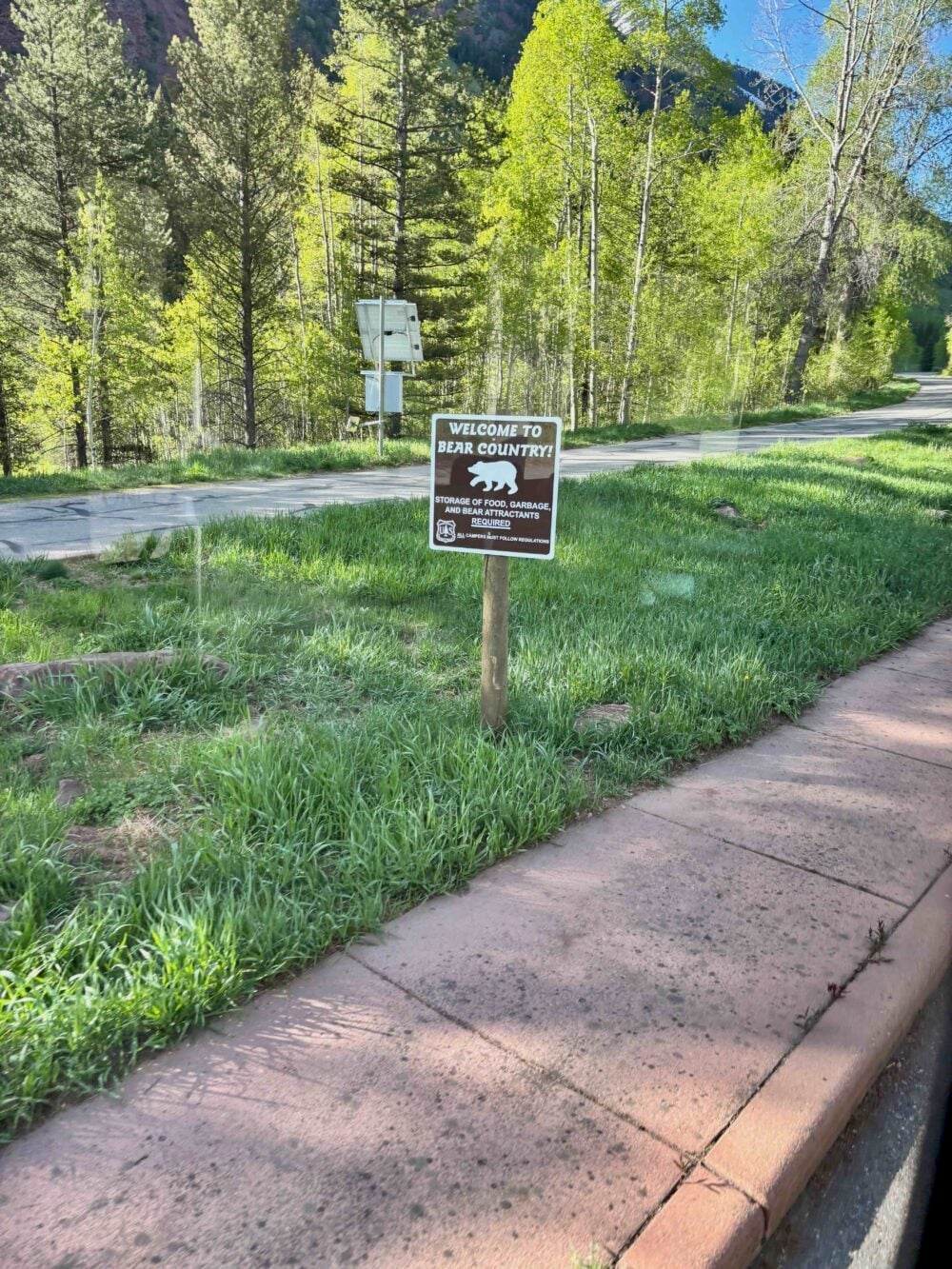
There are signs to look out for bears!
Where to stay, eat and drink in Snowmass and Aspen
Snowmass is the better-value base for this route, but Aspen has its own excellent (very expensive) options if you’d rather be right in town for the second night:
Budget
- Pokolodi Lodge (Snowmass) (doubles from £238 per night). A well-reviewed, simple option close to restaurants and shops, easily the best value pick in the village
- St. Moritz Lodge & Condominiums (Aspen) (doubles from £273 per night). The closest thing Aspen has to a budget stay, including hostel-style dorm rooms, an easy walk to downtown
Mid-Range
- Viewline Resort Snowmass (doubles from £353 per night) — a lively, design-forward hotel with a natural hot spring-style pool experience
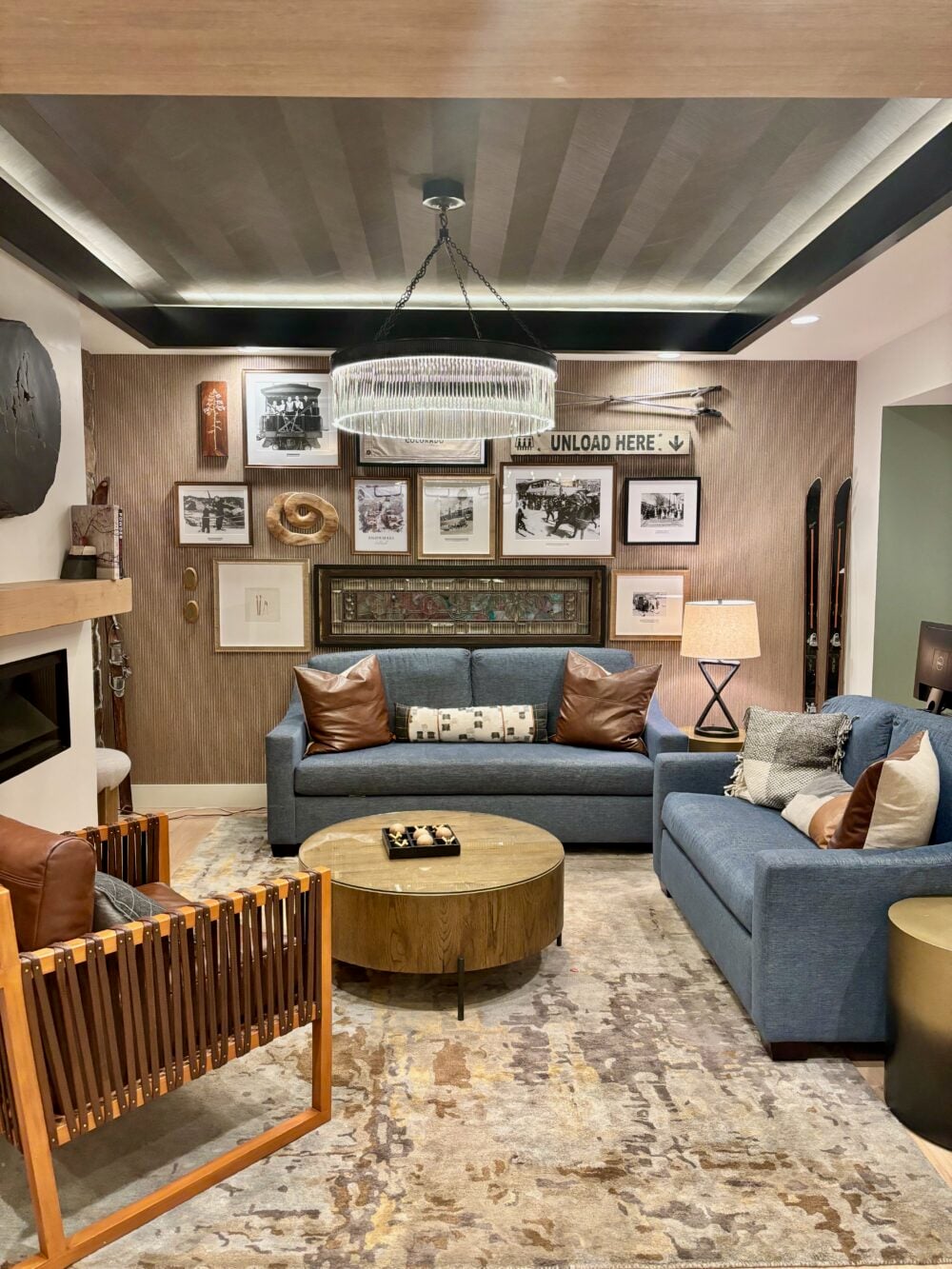
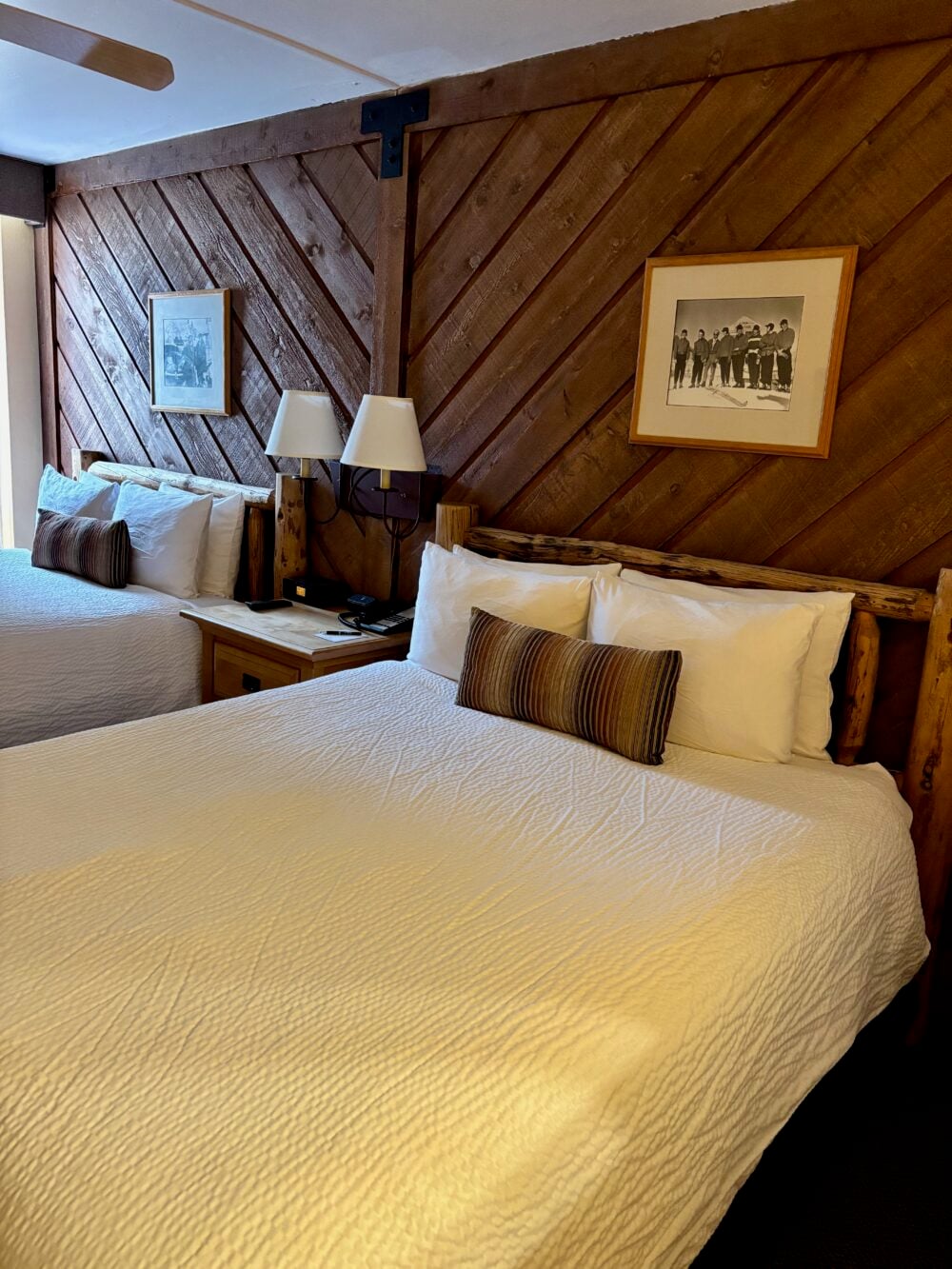
- Stonebridge Inn (Snowmass) (doubles from £371 per night) — good value for the location, close to the Snowmass Mall. We stayed at Stonebridge Inn, a charming alpine style hotel. We also ate at their restaurant for dinner, which was pretty good.
Luxury
- Viceroy Snowmass (doubles from £414 per night) — a luxury slopeside resort with a full-service spa and excellent on-site dining
- Limelight Hotel Snowmass (doubles from £462 per night)— Aspen Skiing Company’s approachable-luxury brand, right in the Base Village
- The St. Regis Aspen Resort (Aspen) (doubles from £714 per night). A historic, iconic Aspen property and one of the town’s most special places to stay
- The Little Nell (Aspen) (doubles from £857 per night) — Aspen’s top-tier luxury pick, ski-in/ski-out with award-winning on-site dining
Like Vail, there’s no shortage of places to eat. Cafes and restaurants are even more expensive in Aspen, but Snowmass has some great options too.
Budget & Quick
- Stew Pot (Snowmass Mall) — one of the oldest, most reliably good-value spots in the village
- Big Hoss Grill (Snowmass Mall) — solid, grilled comfort food
- Big Wrap (Aspen) — quick, locally sourced grain bowls and wraps, a favourite with locals for a fast, affordable bite
- Hickory House (Aspen) — a longtime local favourite for burgers, ribs, and BBQ
Mid-Range
- Venga Venga (Snowmass Mall) — Mexican food and margaritas on a sun-friendly patio
- The Artisan (Stonebridge Inn, Snowmass) — upmarket without the eye-watering prices, a good in-between option
- Jing Aspen — Asian fusion, dim sum, sushi and sashimi, well regarded locally
Special Occasion
- il Poggio (Snowmass Mall) — an Italian institution with a warm, cosy setting and an extensive wine list
- Toro Kitchen & Lounge (Viceroy Snowmass) — polished, elevated dining within the resort
- Element 47 (The Little Nell, Aspen) — fine dining with a stellar wine programme, locally sourced seasonal menu
- Matsuhisa (Aspen) — Nobu founder Chef Matsuhisa’s original mountain outpost, superb sushi
- Pine Creek Cookhouse —this rustic alpine-meadow restaurant, reached by hiking or biking in summer, serves wild game and Rocky Mountain trout
Day 7-8: Colorado Springs via Independence Pass
Snowmass → Colorado Springs: 171 miles, ~4 hr 10 min.
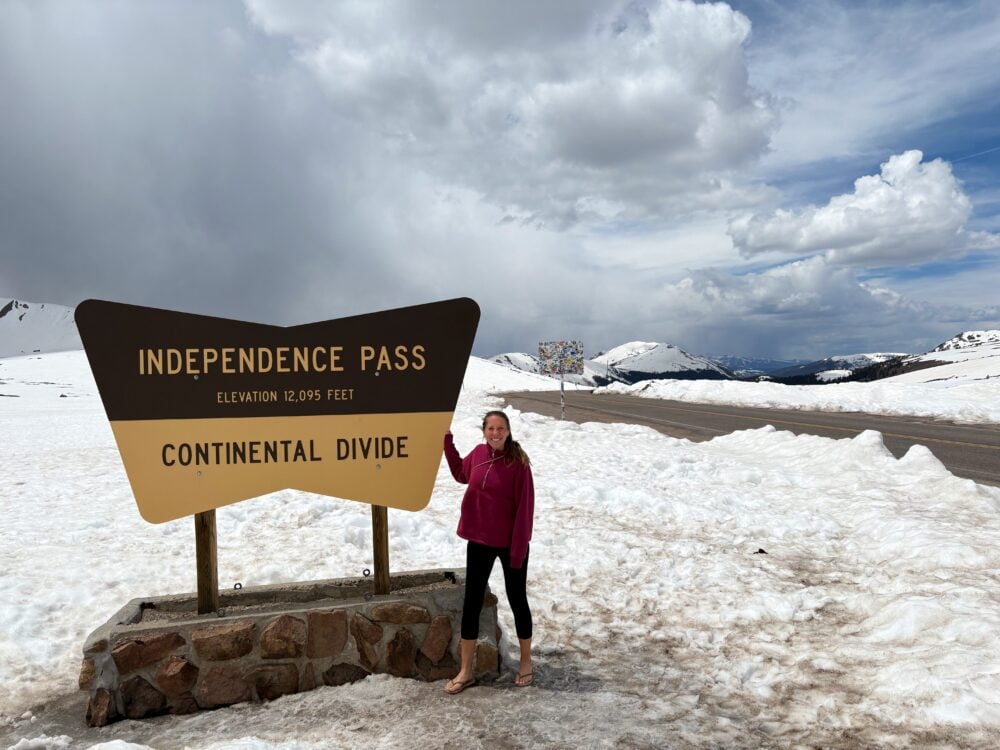
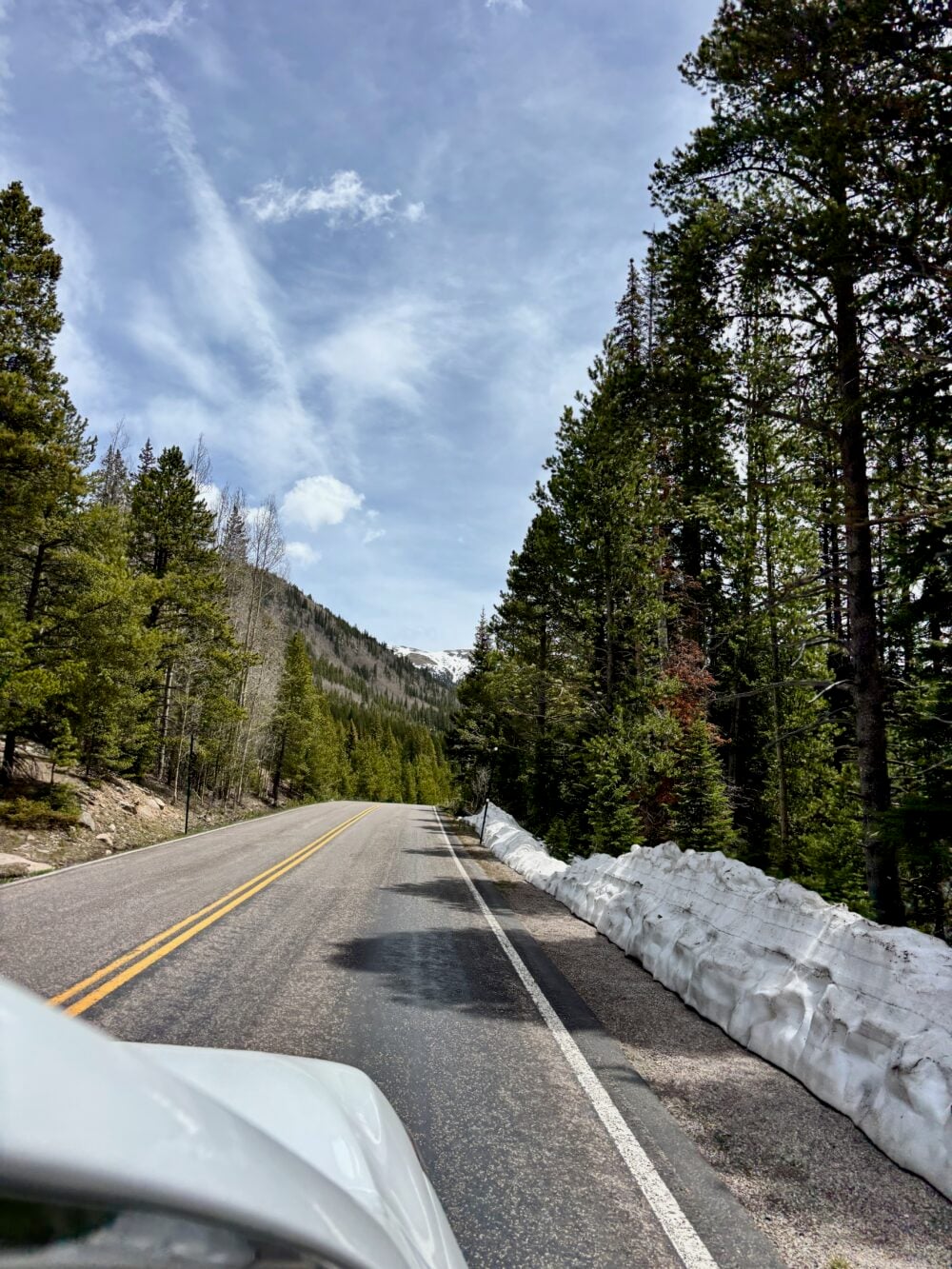
This is the longest driving day of the trip by some margin, so it’s worth setting off straight after breakfast. There are two ways to go onwards to Colorado Springs. The most exciting route is over Independence Pass, but note that it only opens in late May, once the snow has cleared. The date varies every year, and we were lucky that it had literally opened a day or two before we planned to drive it.
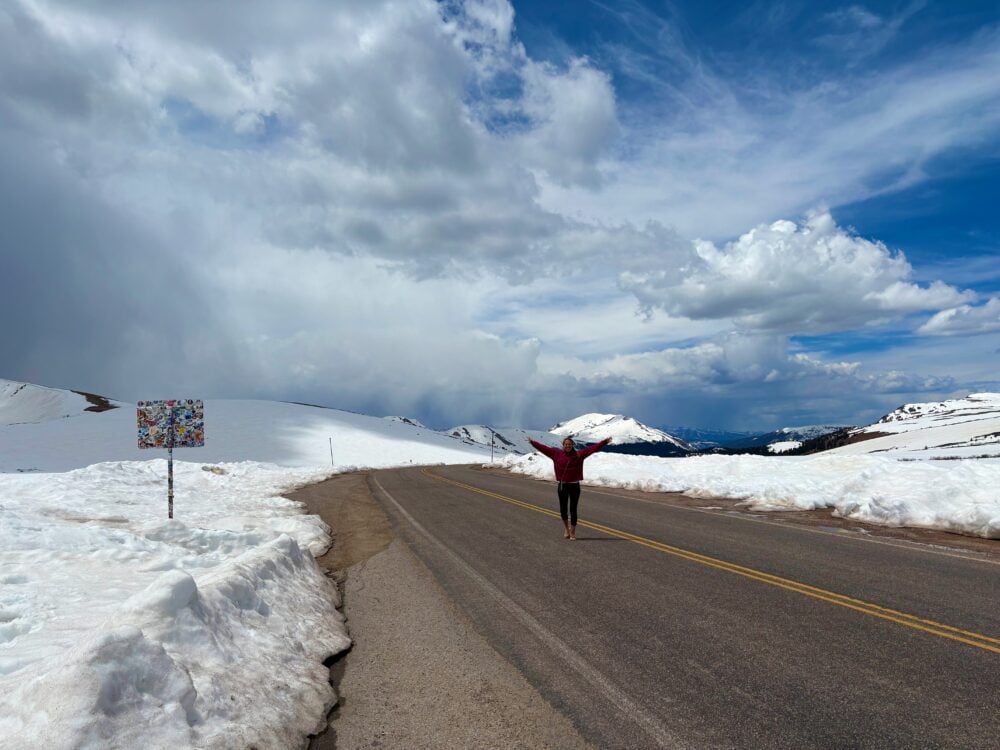
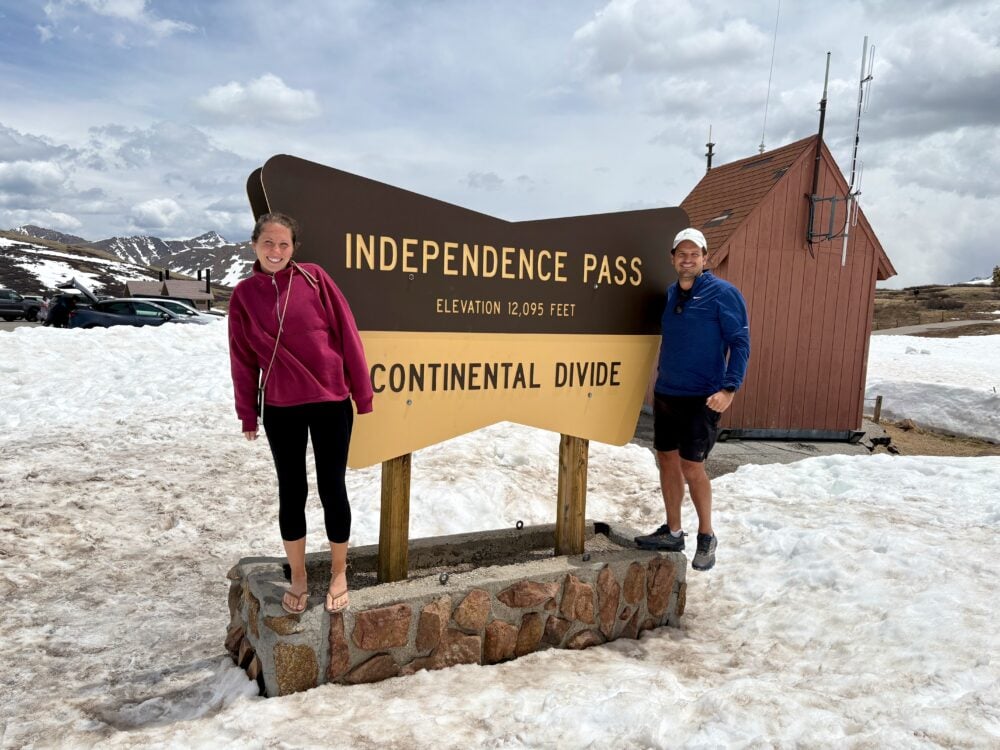
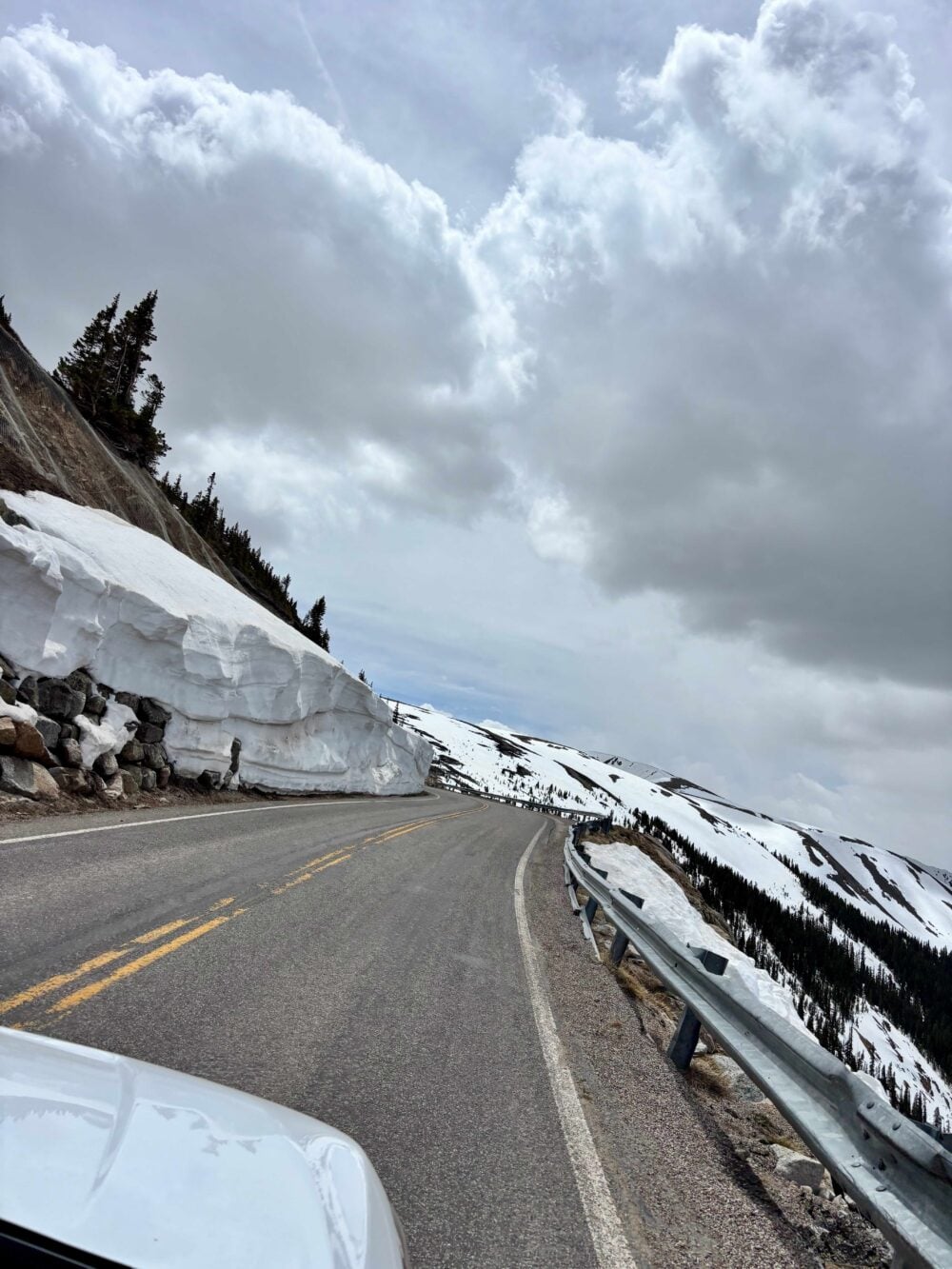
On the way up from Aspen, keep an eye out for the Independence ghost town, about 4 miles below the summit on the Aspen side of the pass. It’s the site of Colorado’s first mining camp in the Roaring Fork Valley, founded after a gold strike on 4th July 1879 that grew the town to around 1,500 people within a few years.
However, by the brutal winter of 1899, supply routes were cut off entirely, and the remaining residents built makeshift skis and escaped en masse to Aspen. Today it’s a preserved open-air site maintained by the Aspen Historical Society, with cabins, an old general store, and the ruins of the Farwell Stamp Mill still standing. It only opens once the pass itself does for the season.
If the Independence Pass Route is closed, then the main route is via Glenwood Springs to I-70 and then south.
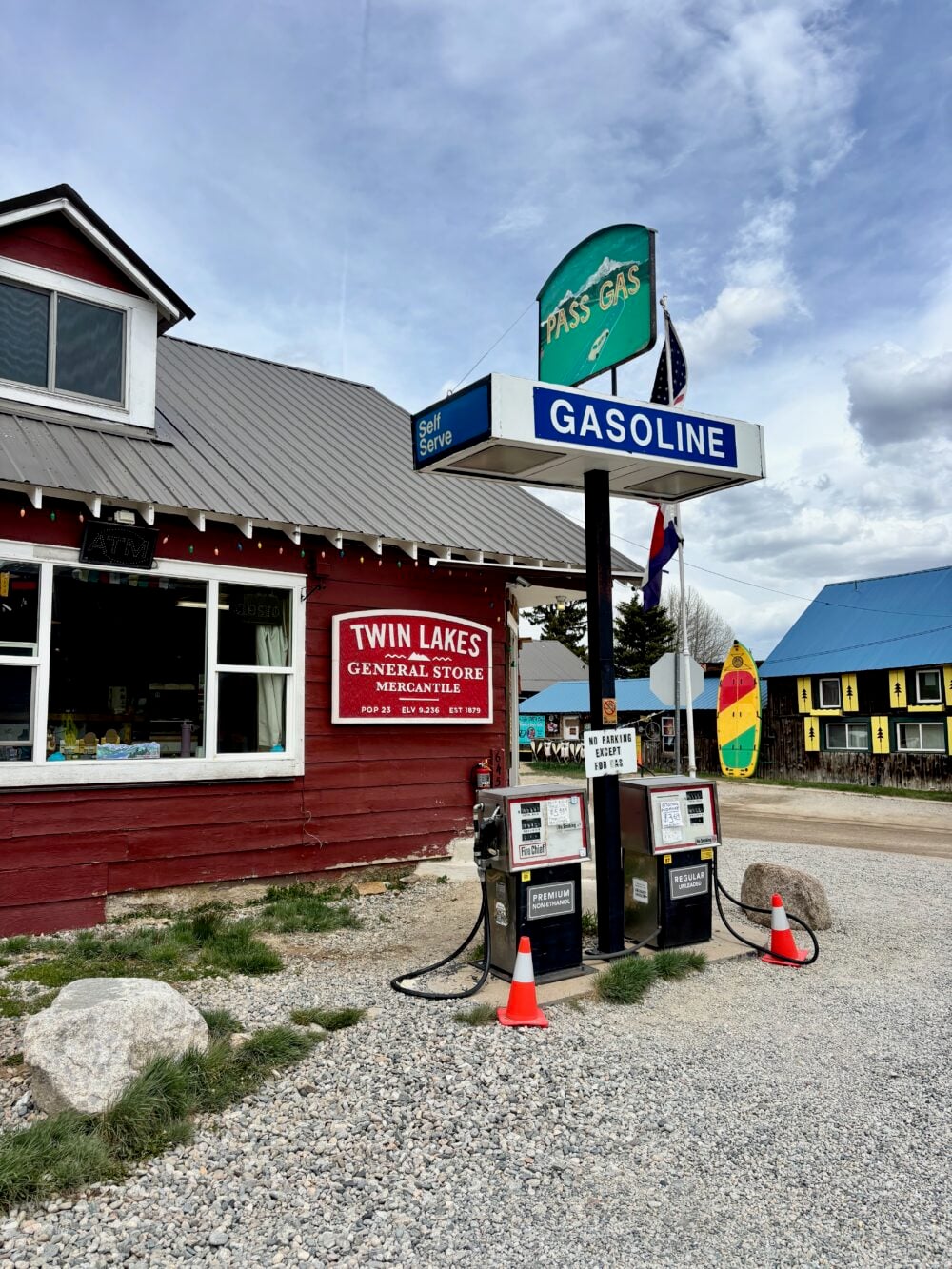
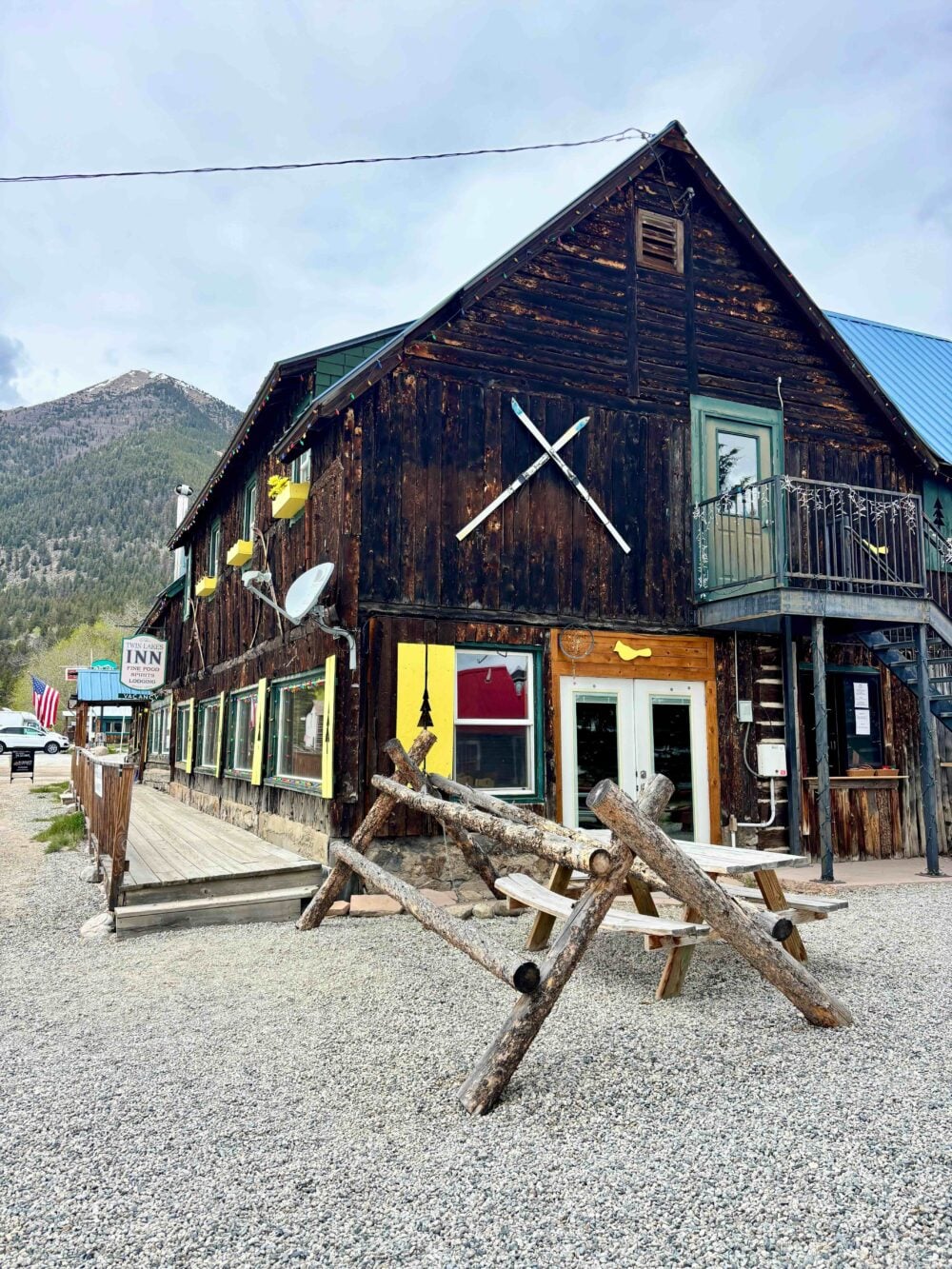
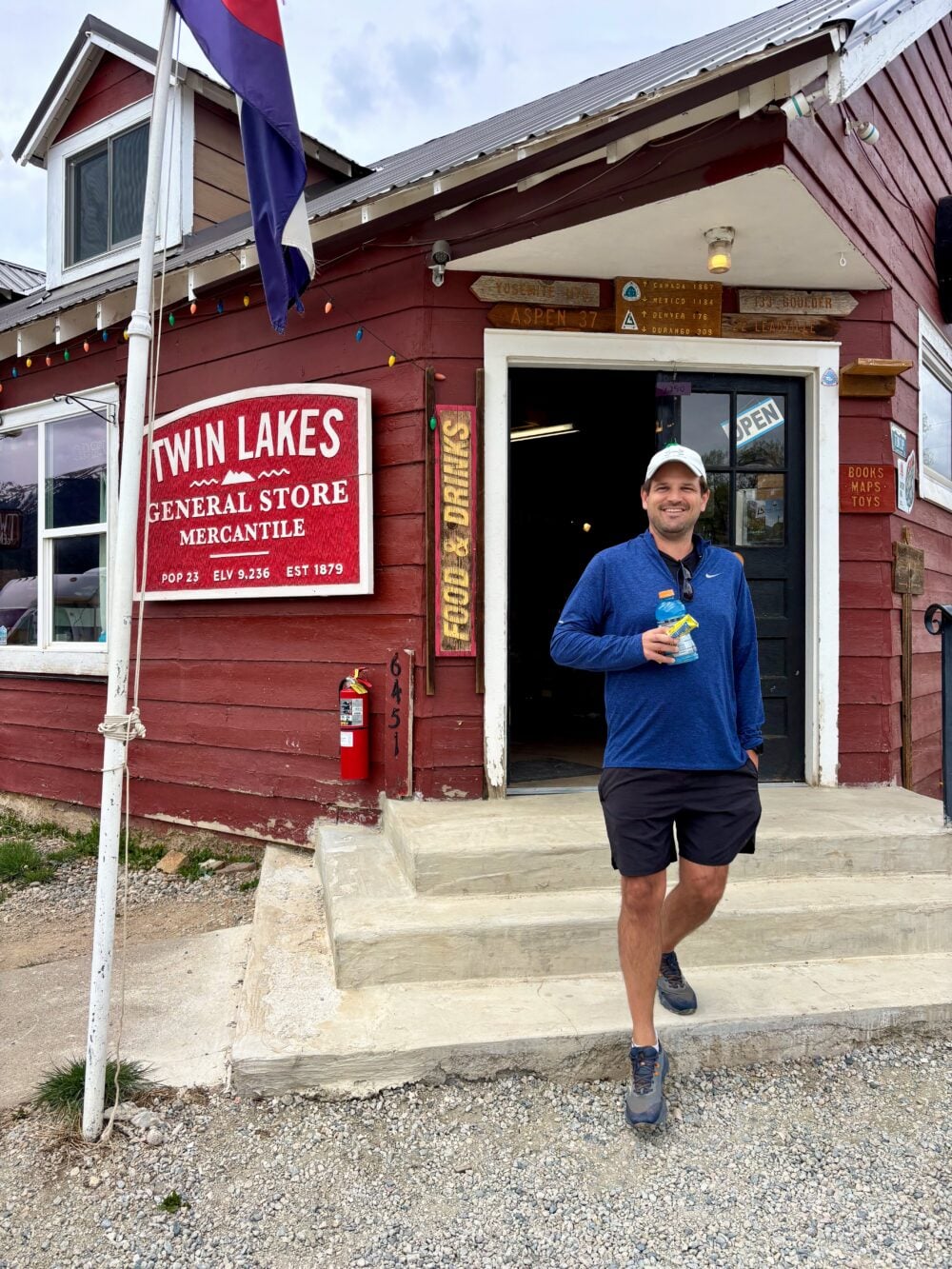
It’s a big day of driving, with some incredible stops on the way. Once you’ve descended from the heavens on Independence Pass, there are few great little stops to stock up on some snacks. We stretched our legs at the quirky roadside stop called Twin Lakes, then had a longer break in Buena Vista. This historic town is much bigger and you’ll find some great eateries and shops here.
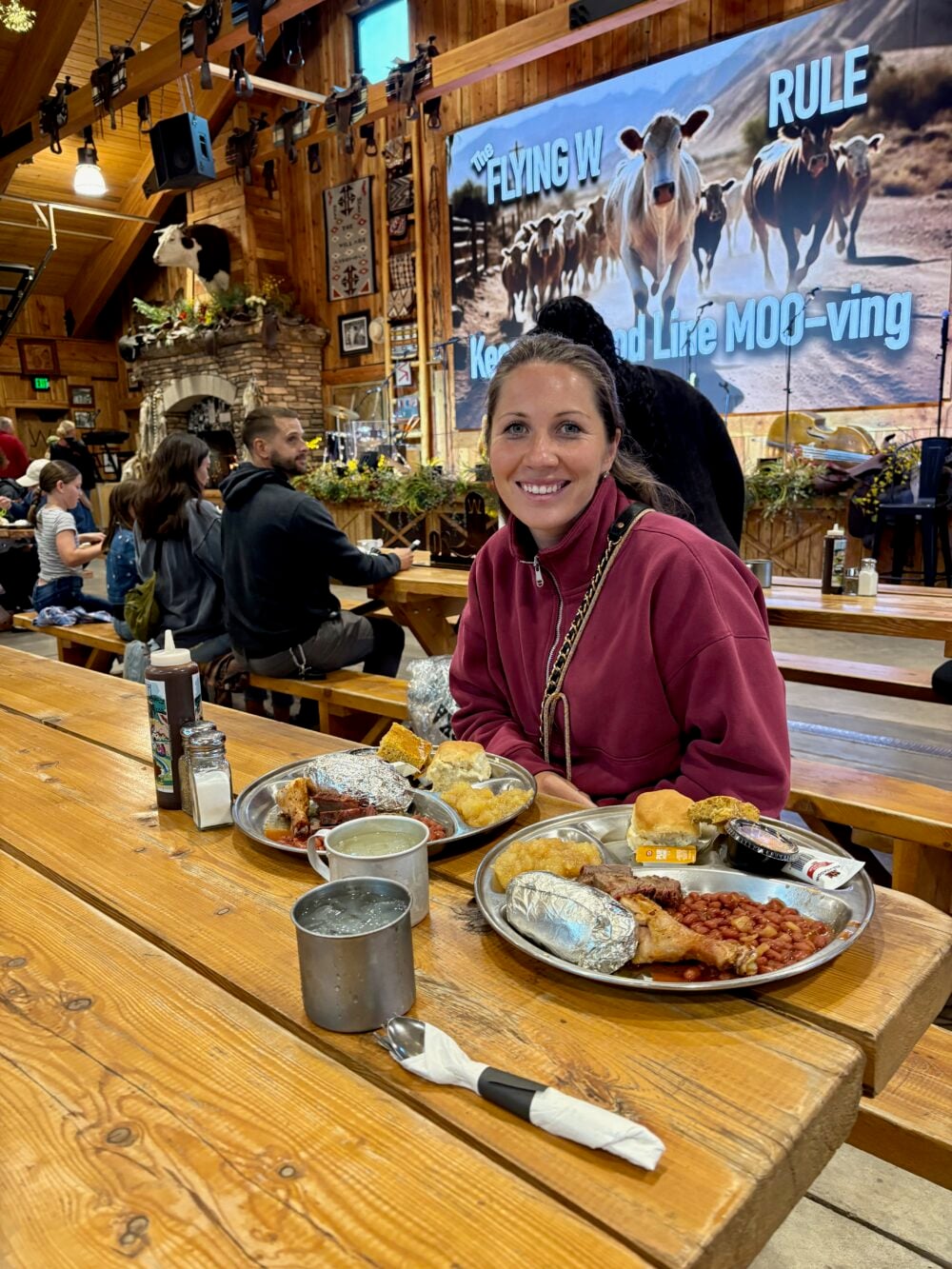
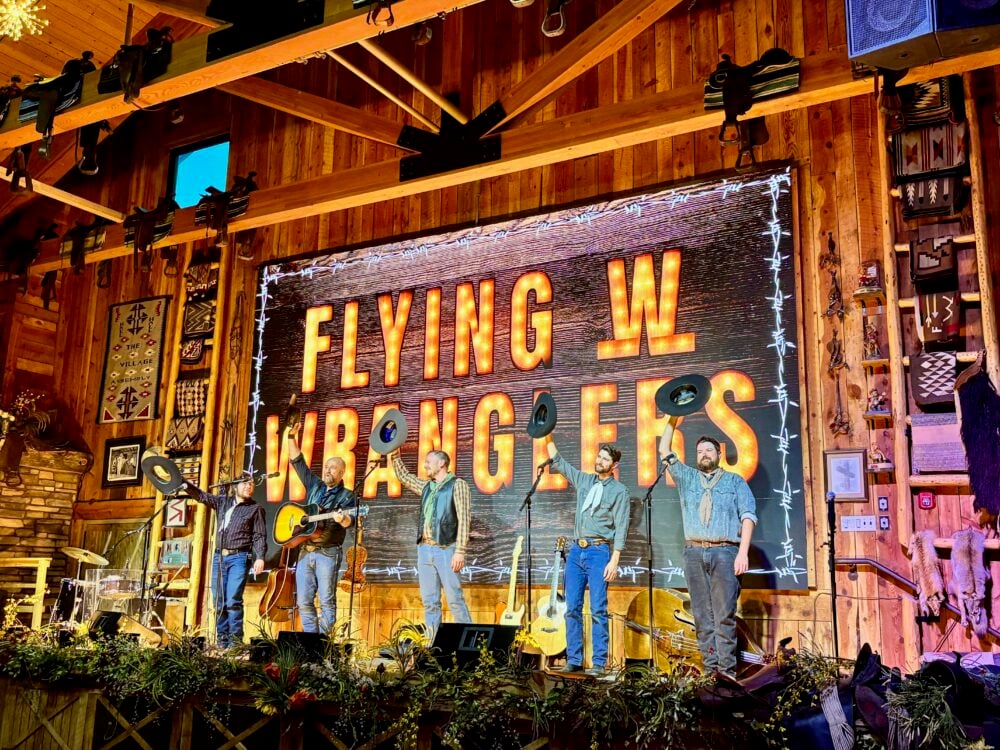
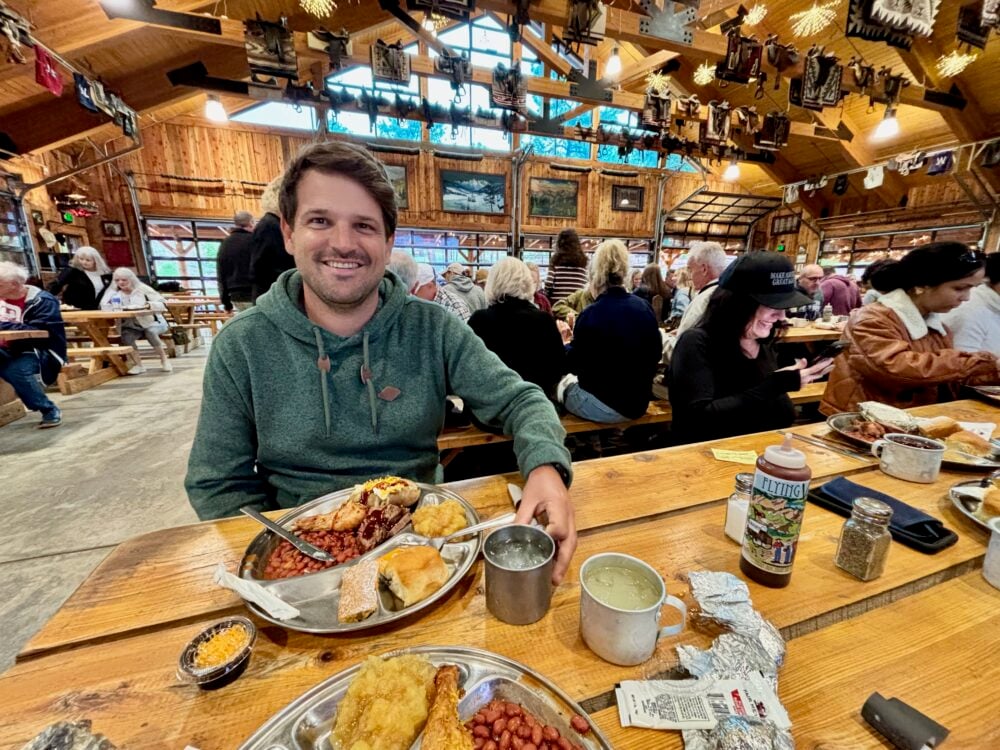
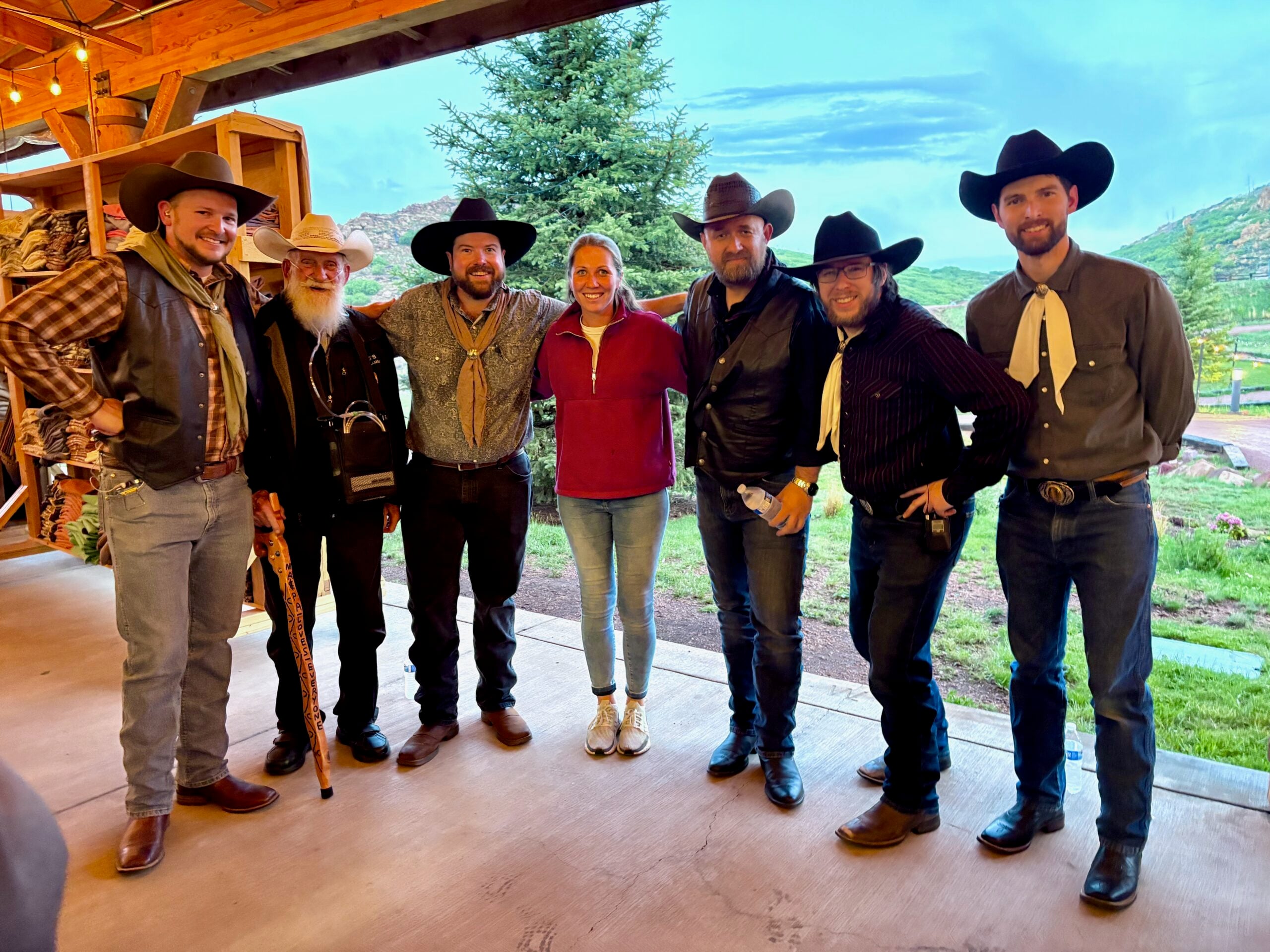
Assuming you’ve made it to Colorado Springs in the late afternoon, I highly recommend booking tickets for an evening at the Flying W Ranch Chuckwagon Dinner & Western Stage Show, a Colorado Springs tradition since the 1940s. This was a total highlight during our Colorado road trip. I’m certain we were the only Brits there!
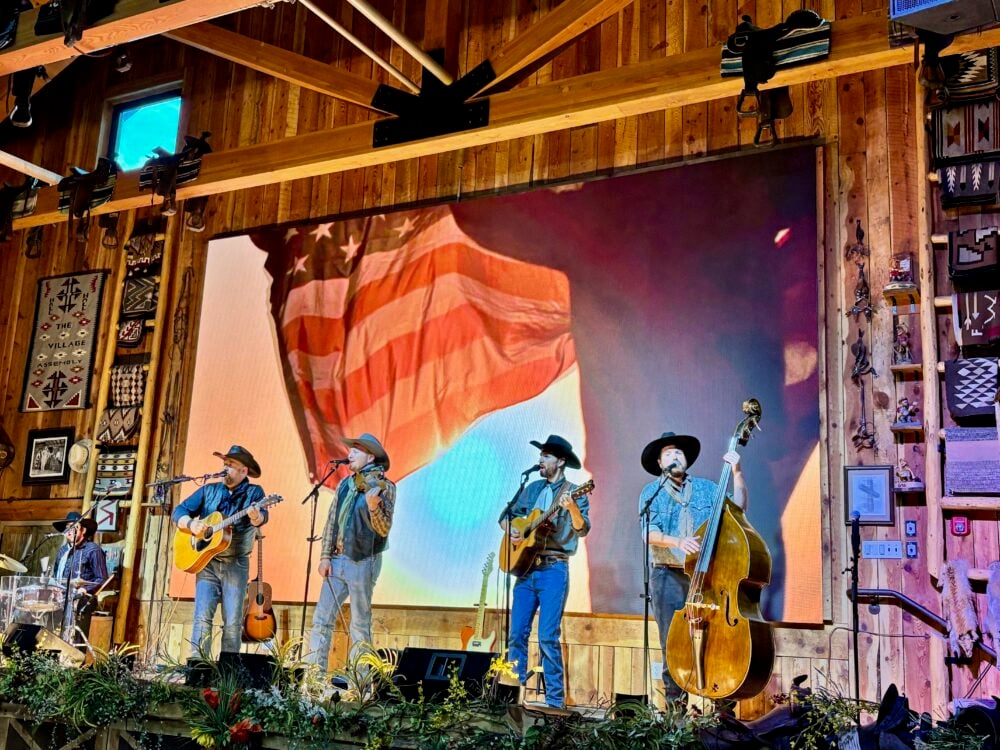
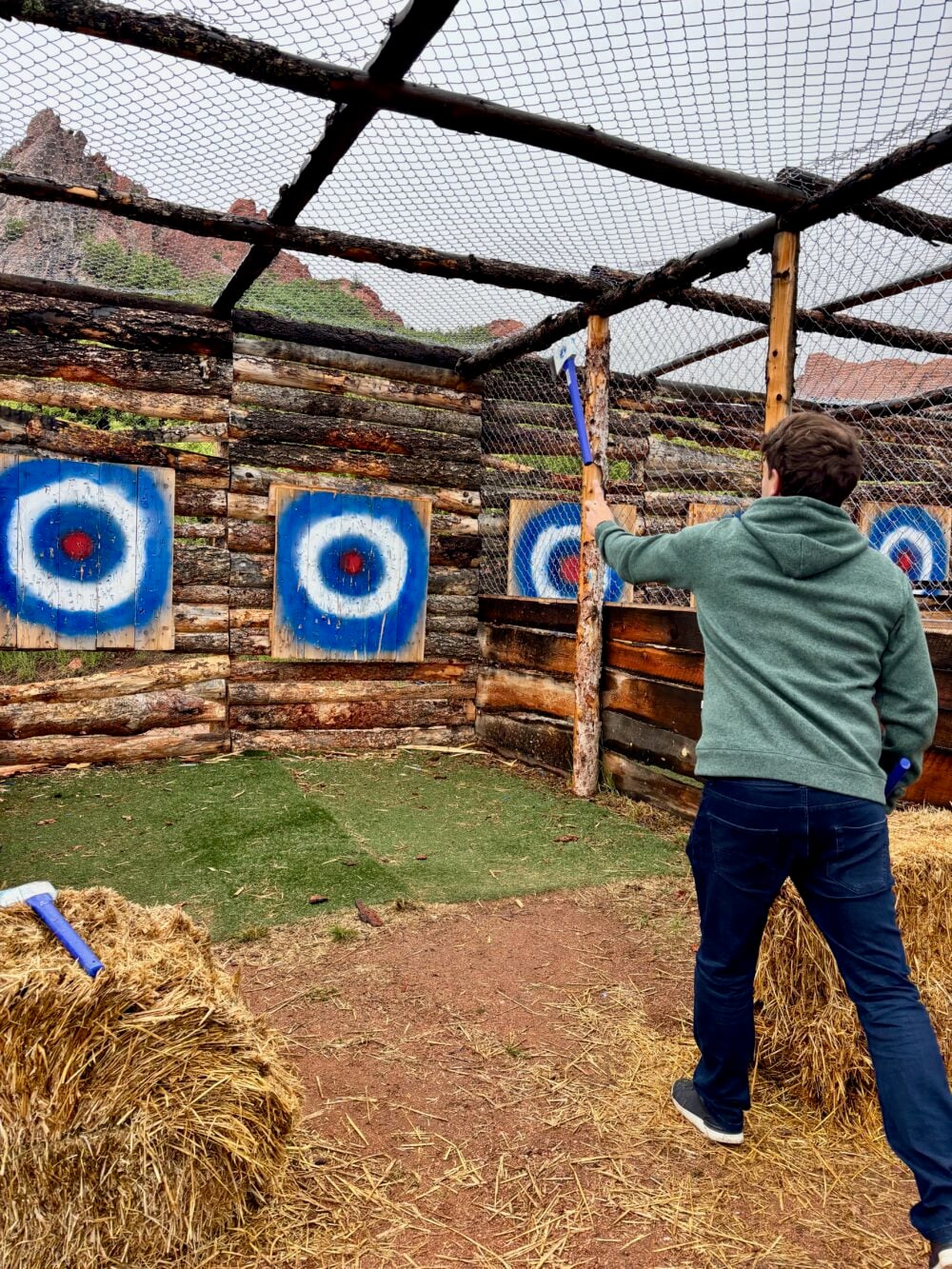
Arrive early from around 5pm to wander the ranch’s Western Grounds. There’s actually plenty do and participate in before the show begins. Meet and feed the ranch animals, learn native crafts like weaving, have a go at activities like axe throwing and make sure to jump on their a narrow-gauge train ride too. A hearty cowboy-style barbecue dinner starts at 6.30pm, followed by a live Western music stage show from the Flying W Wranglers. It’s touristy, but a seriously fun family night out and a nice change of pace after several days of hiking. It was a great experience of Western music and heritage, we absolutely loved it!
Book ahead at flyingw.com. The Chuckwagon dinner show is $69 per adult aged 13 & up for a Sunday – Thursday show. Fridays are $73 and Saturdays $75. Children, seniors and military all have discounts.
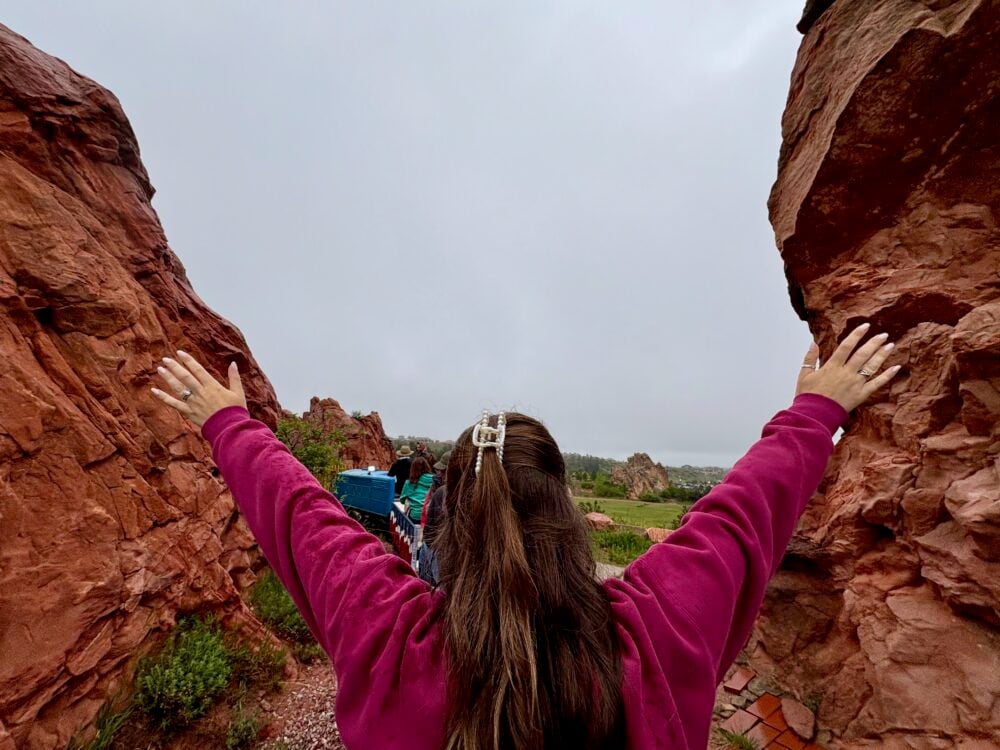
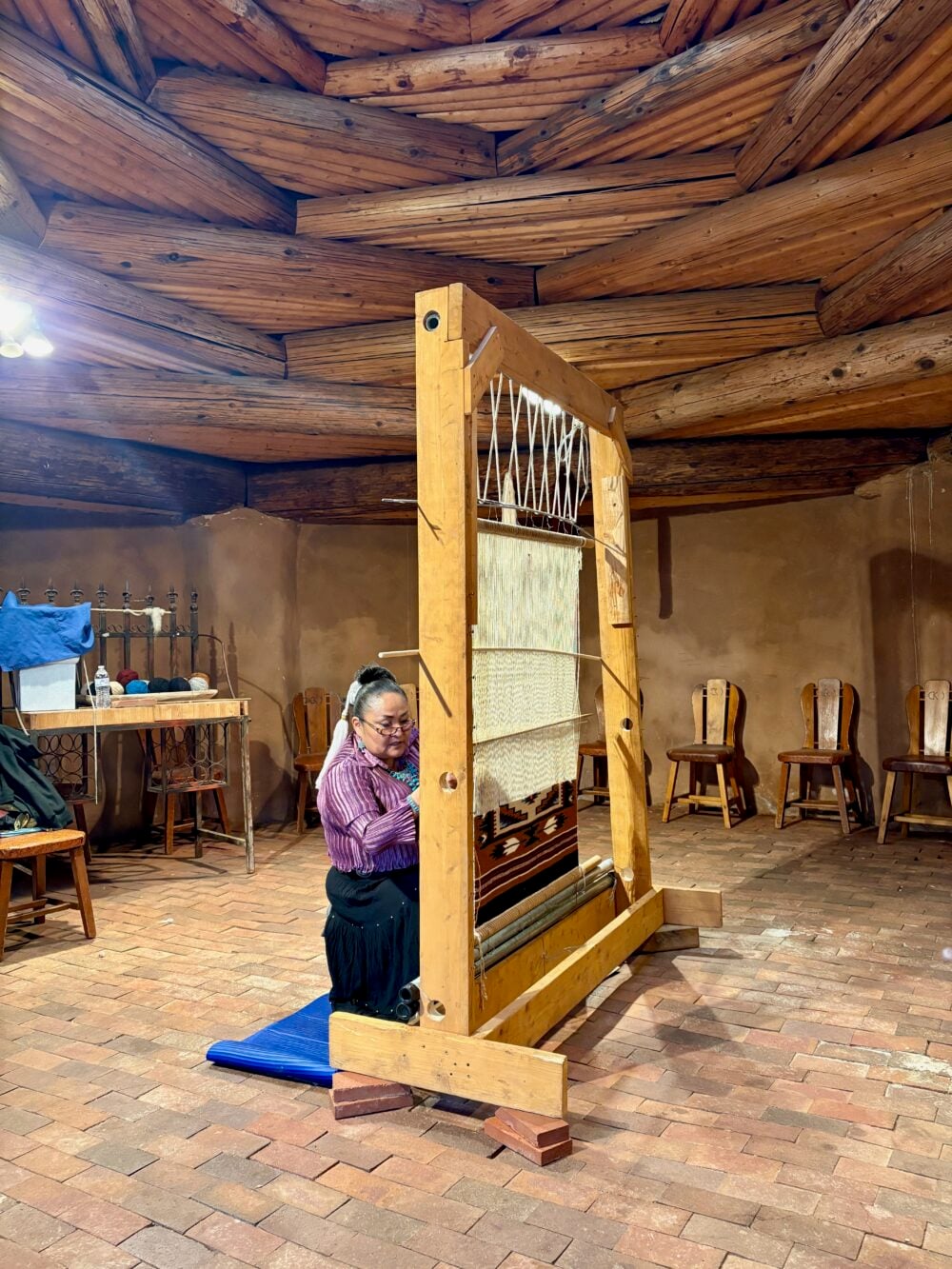
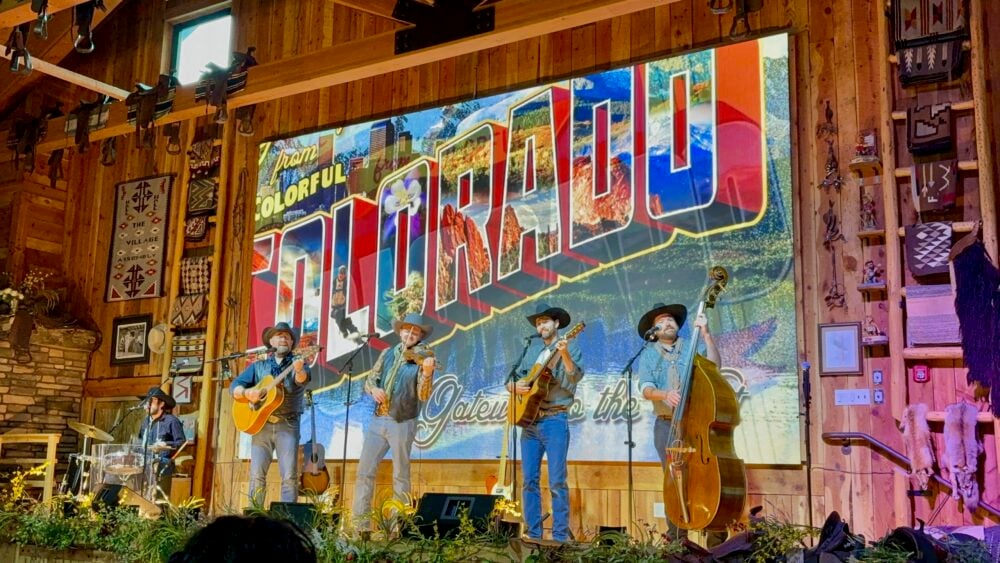
Use your second day to explore Colorado Springs and its surrounds. Some suggestions include:
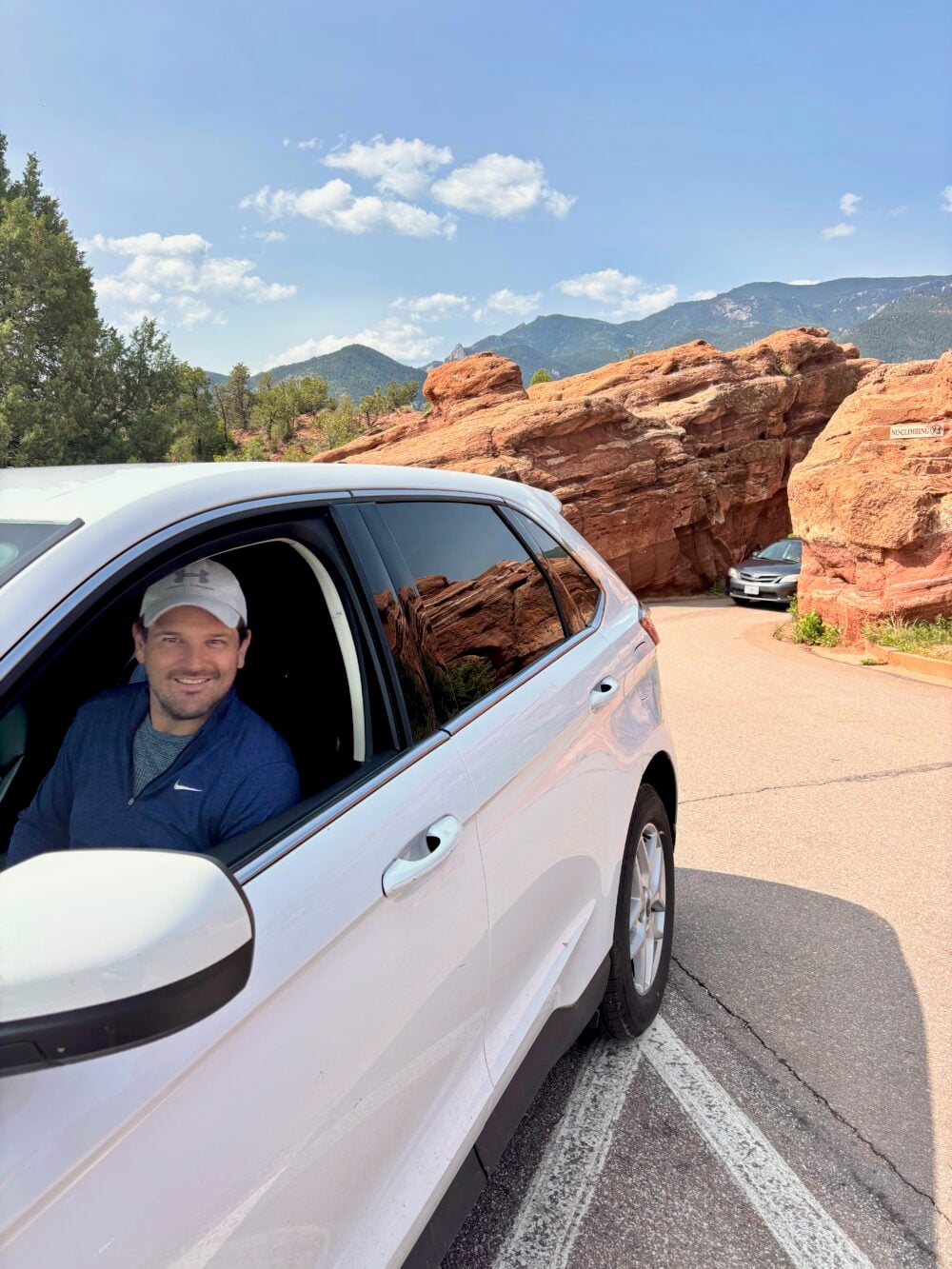
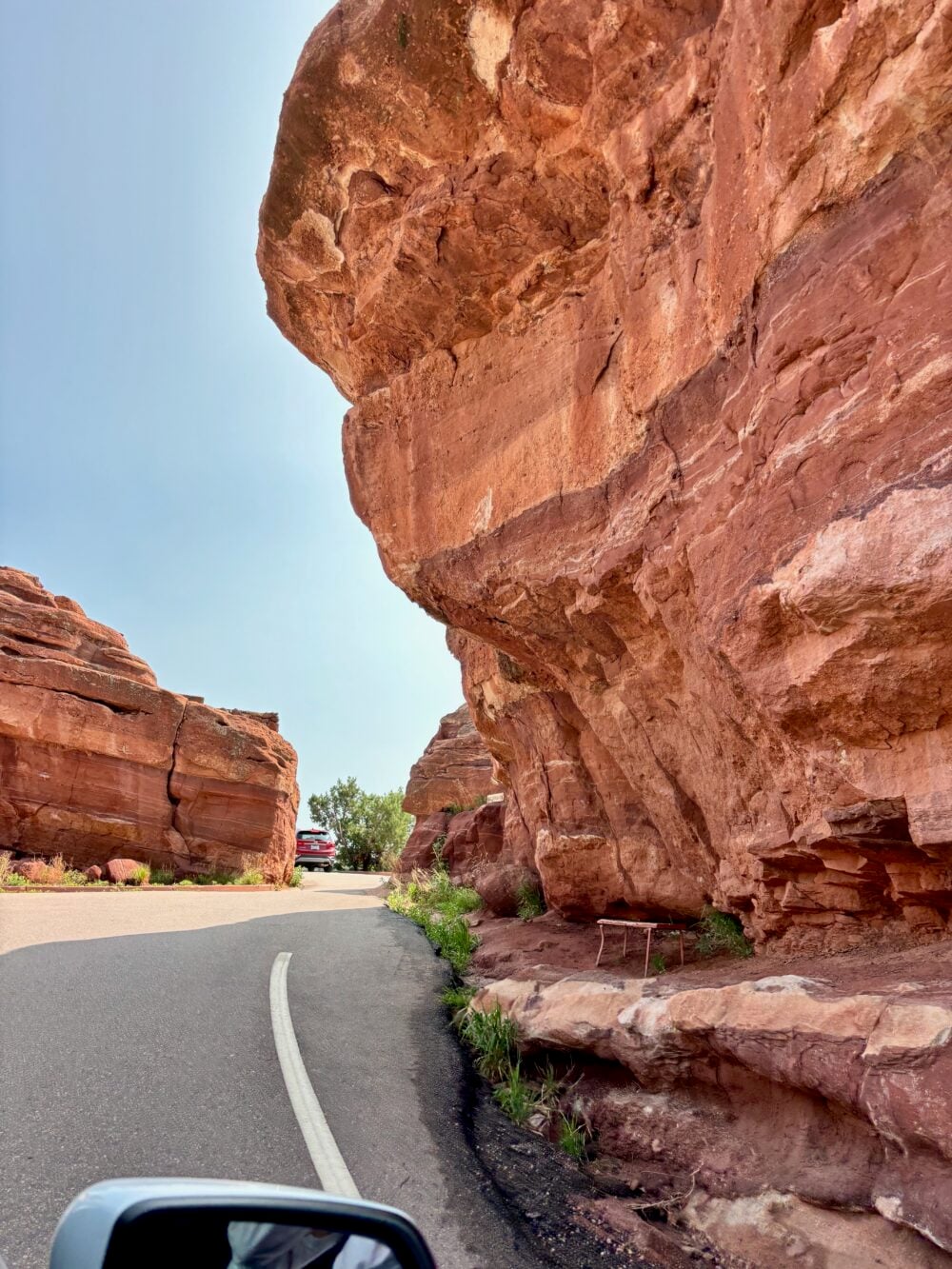
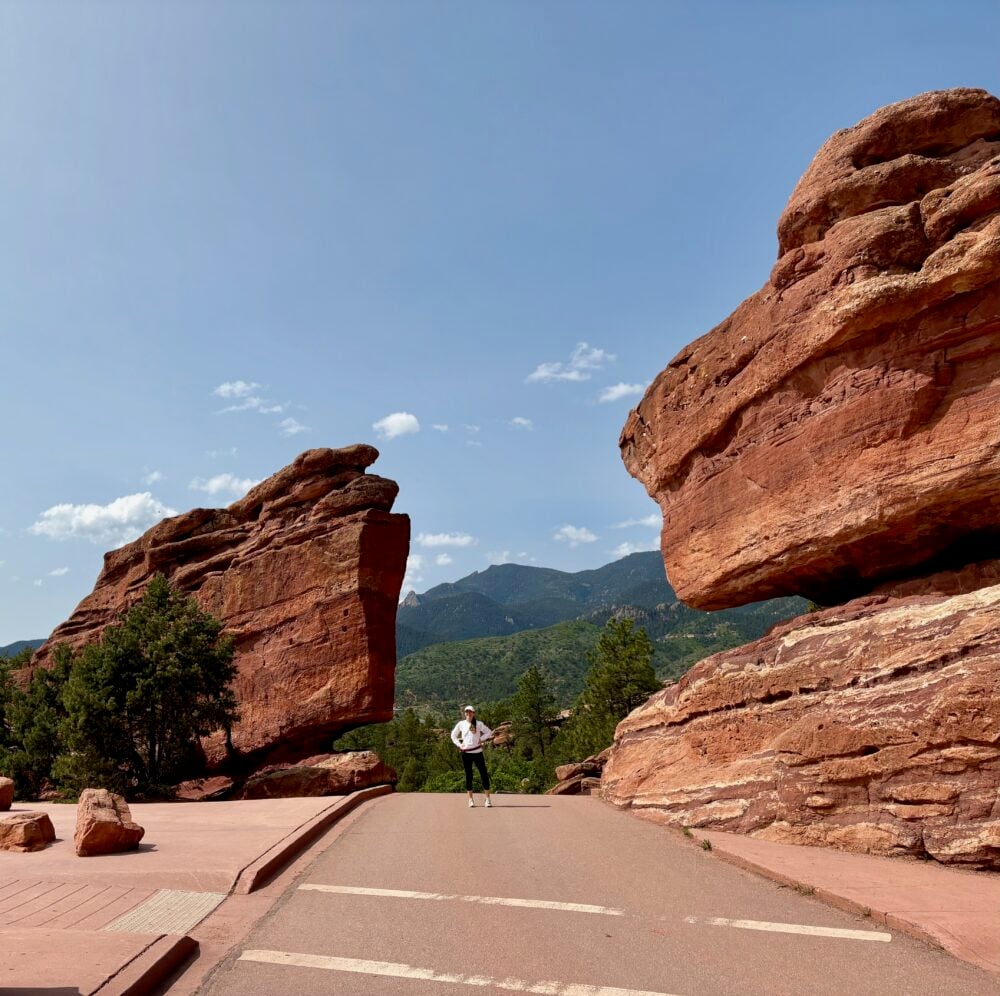
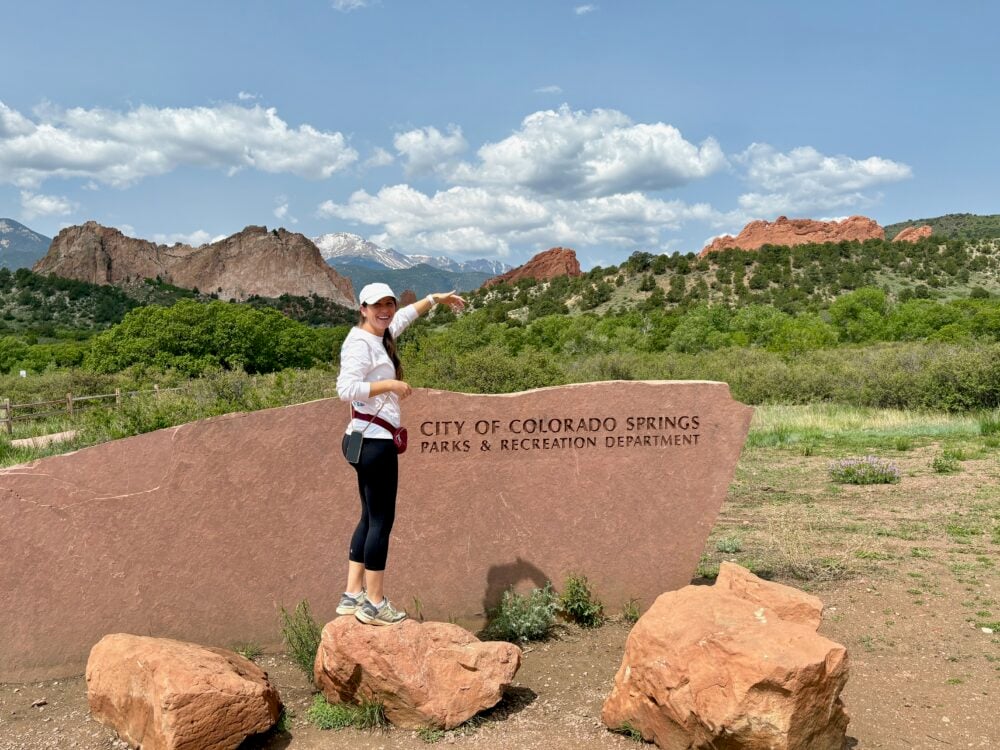
- Garden of the Gods — dramatic red sandstone rock formations, free to enter, with easy walking trails and one of the best free views in the city. We drove around and kept parking up to walk, but you can explore by guided e-bike tour which looked awesome (from £82 per person)
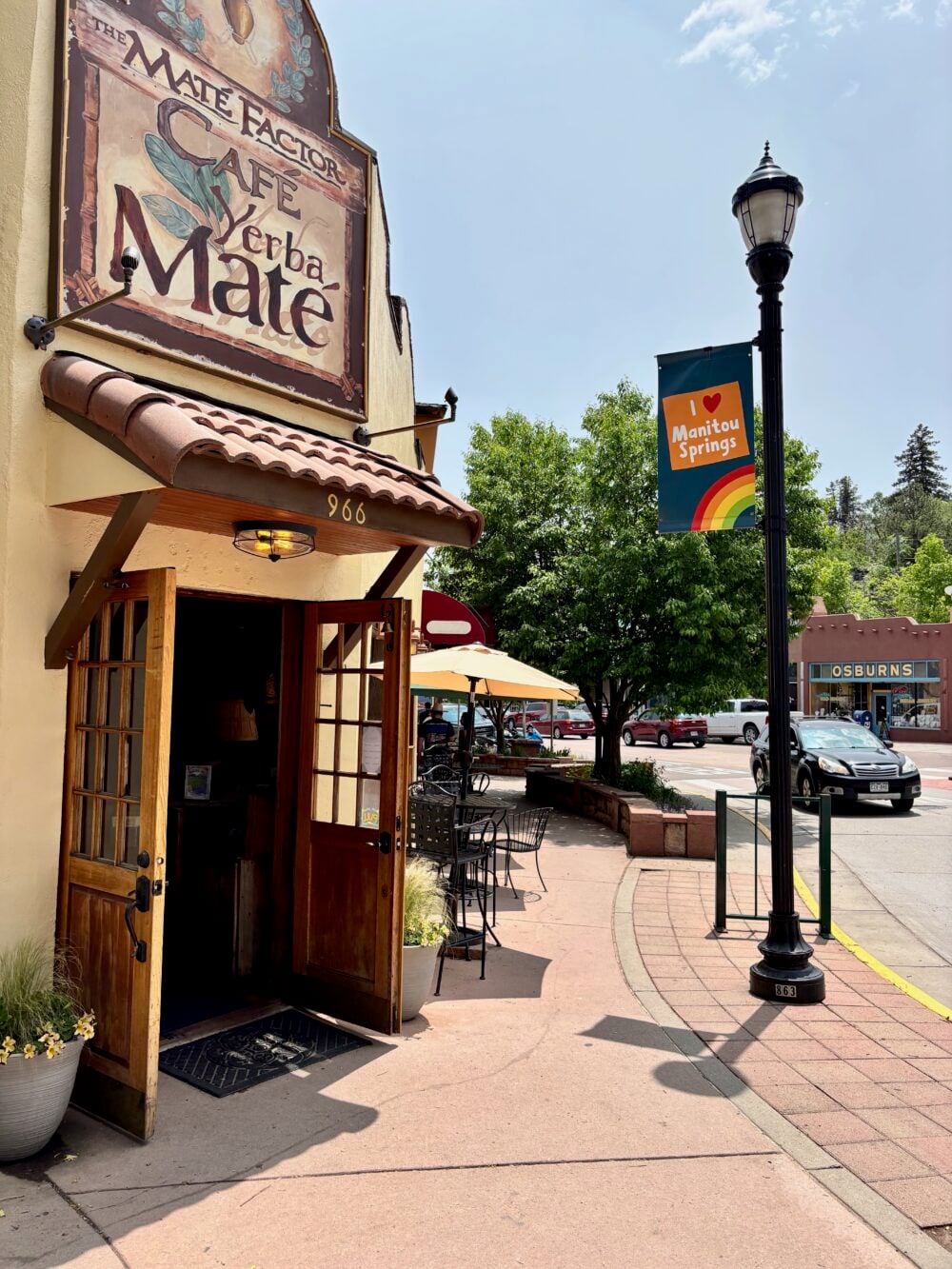
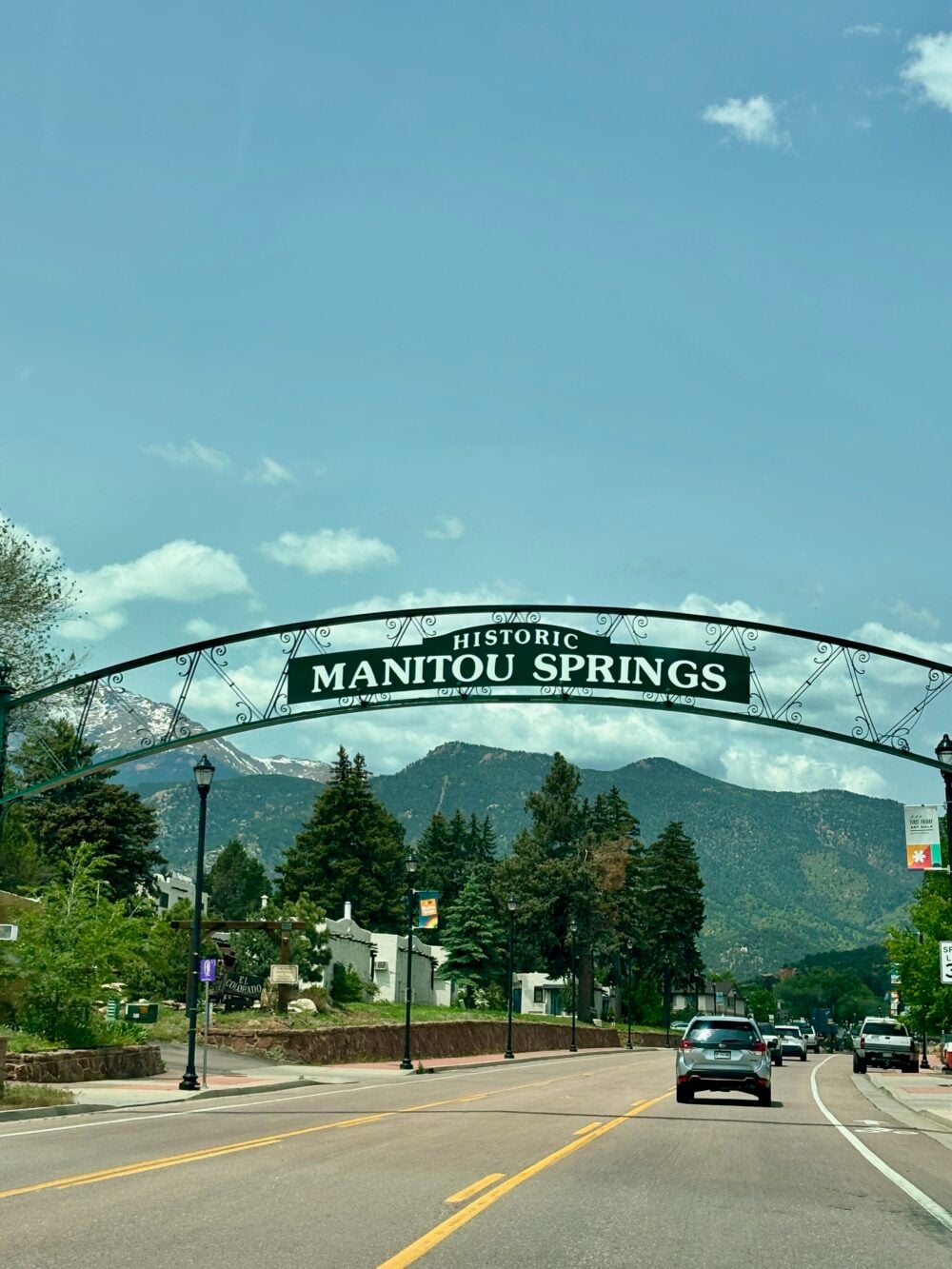
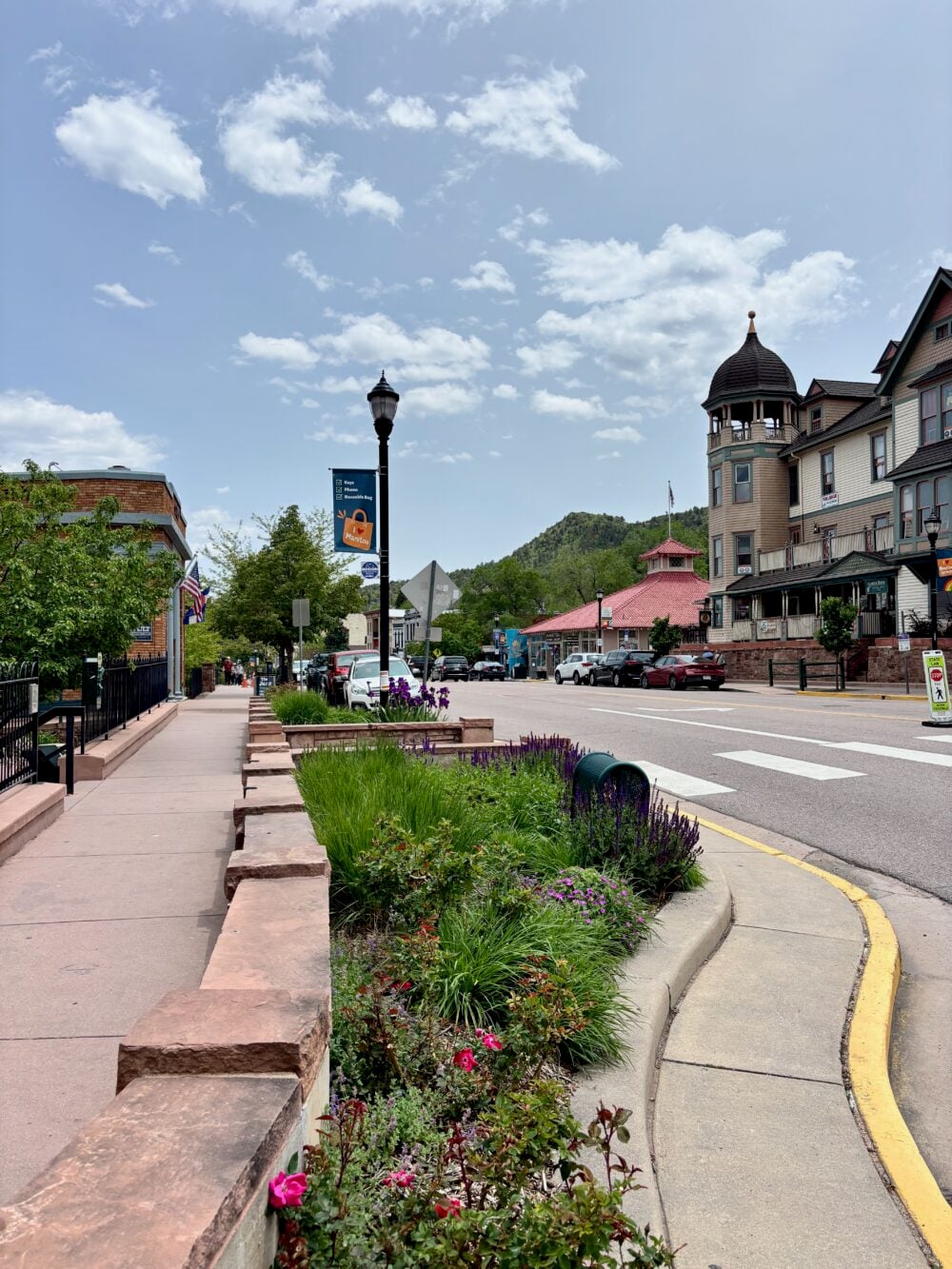
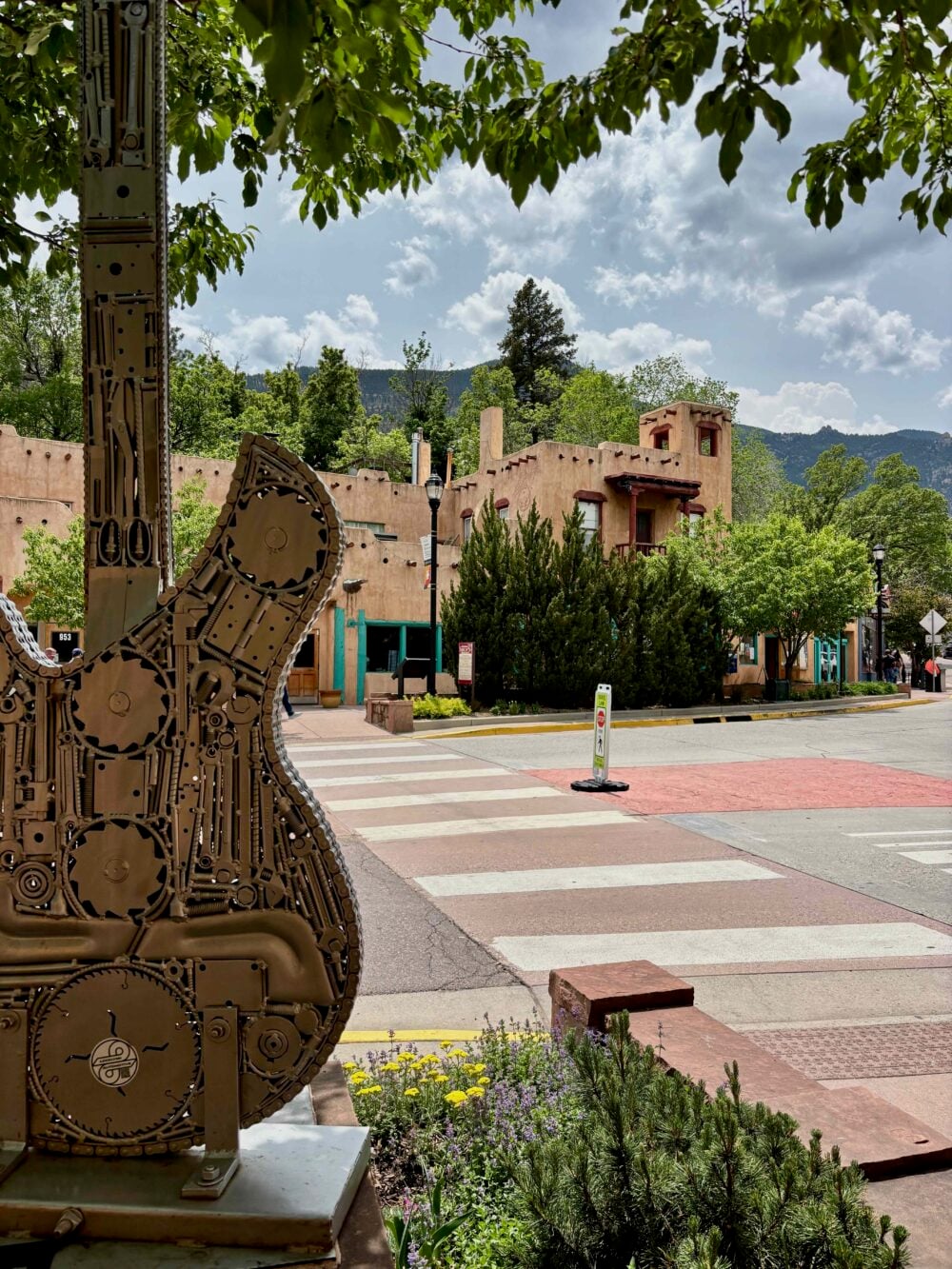
- Manitou Springs — a charming, slightly eccentric little town just outside Colorado Springs, good for a wander, to view its mineral springs, and some quirky shops
- Manitou Incline — just nearby is an infamous hiking trail. On this route, you gain over 2,000 feet of elevation in less than one mile by climbing 2,768 stairs. It’s a serious workout. In fact, top level athletes often consider it a bit of a bucket list training experience!
- Pikes Peak — drive (or take the cog railway) to the 14,115-foot summit for sweeping Front Range views, if you have the time
- Cave of the Winds — cave tours and adventure activities set into a canyon just outside Manitou Springs
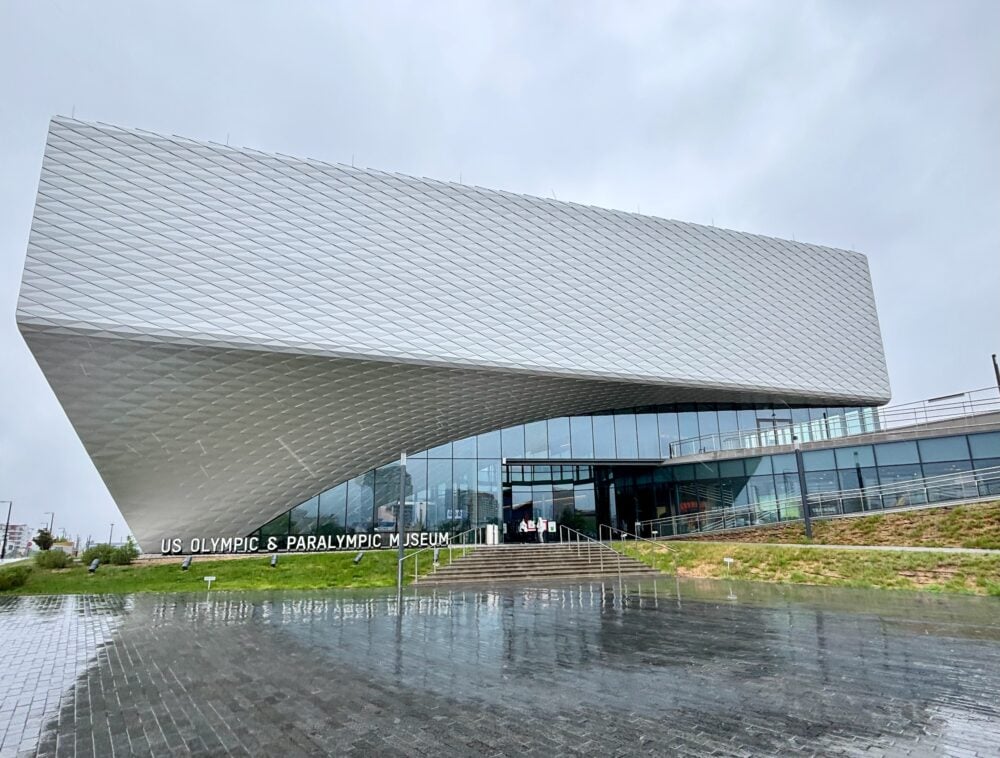
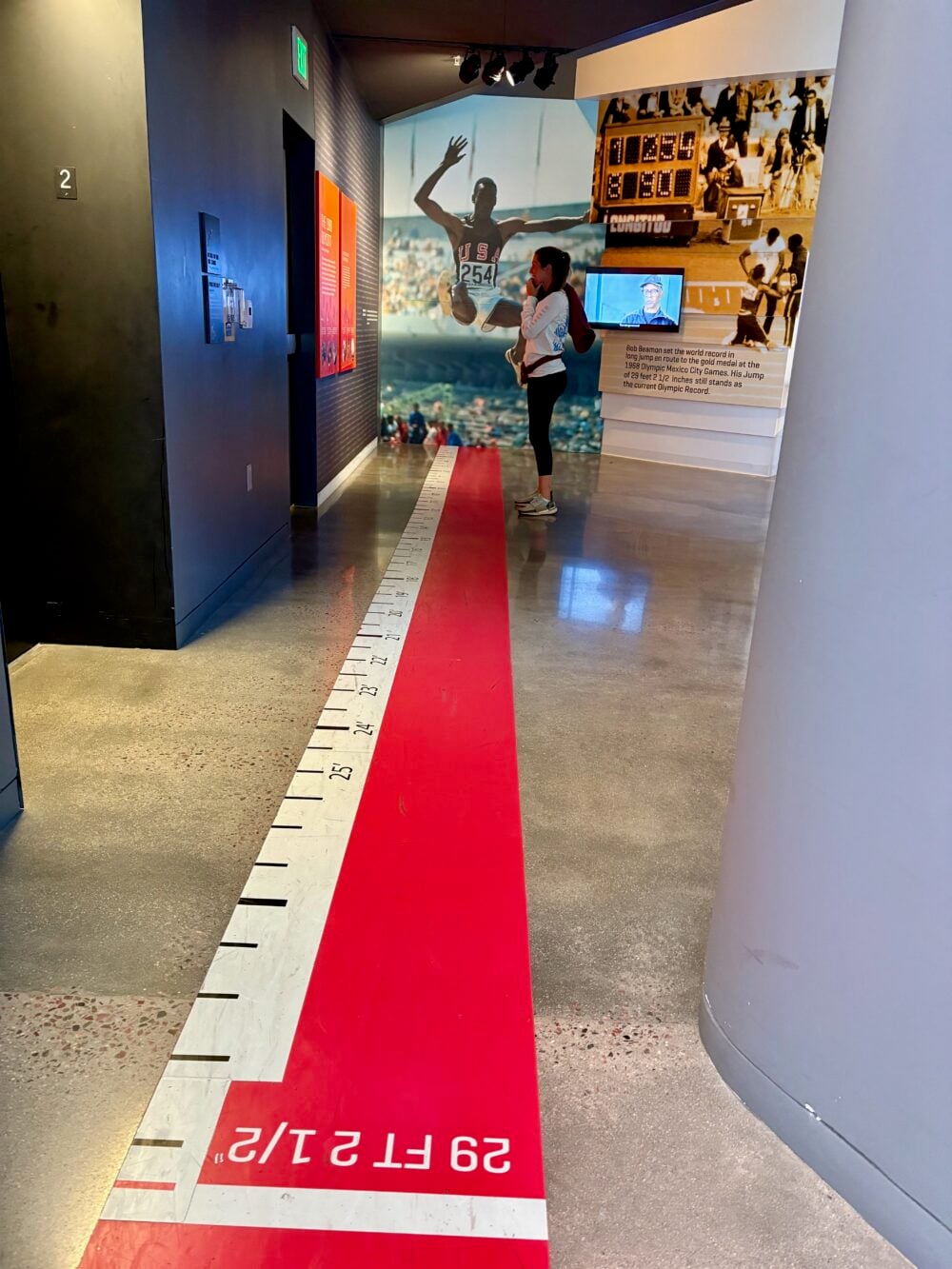
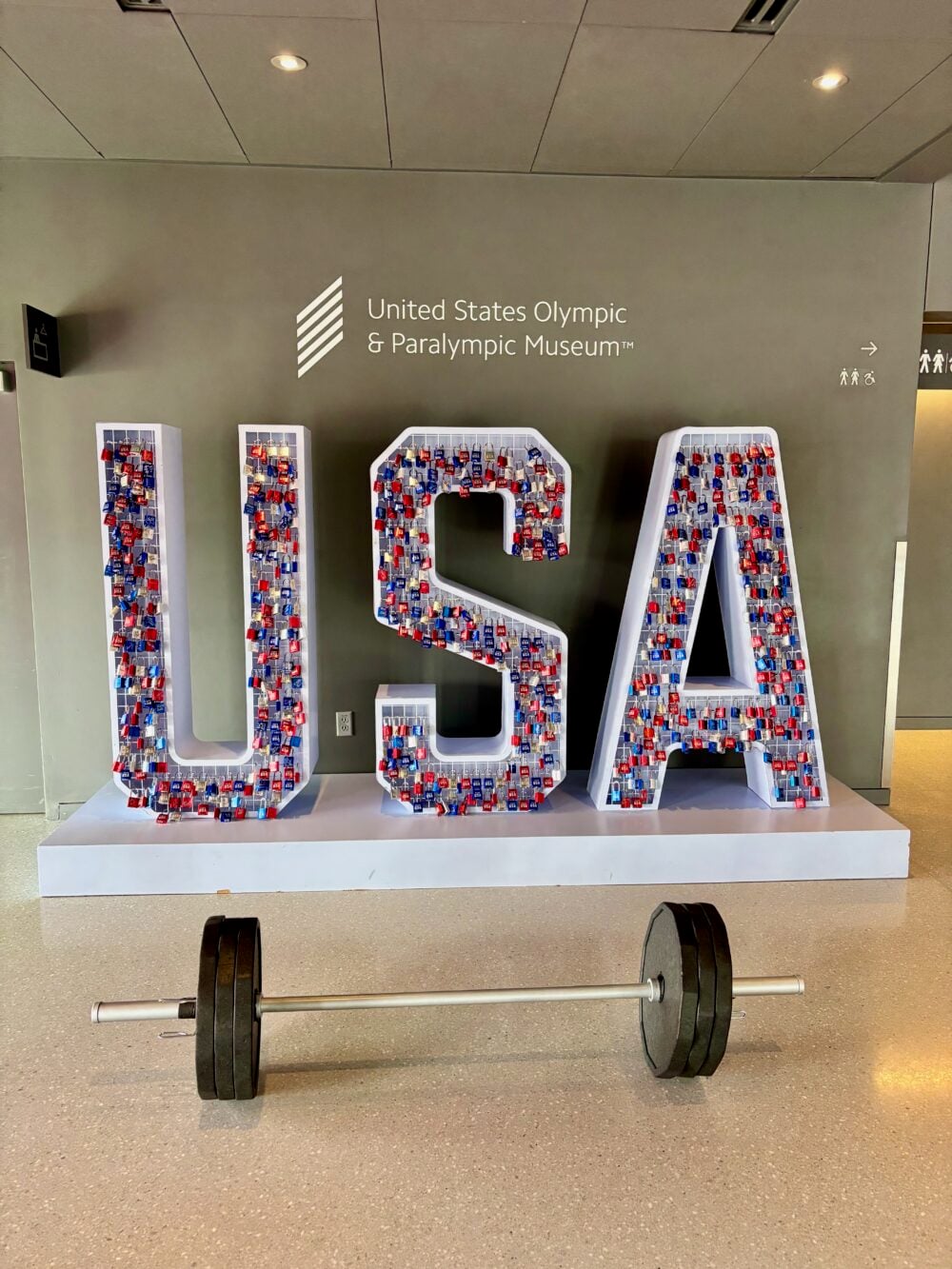
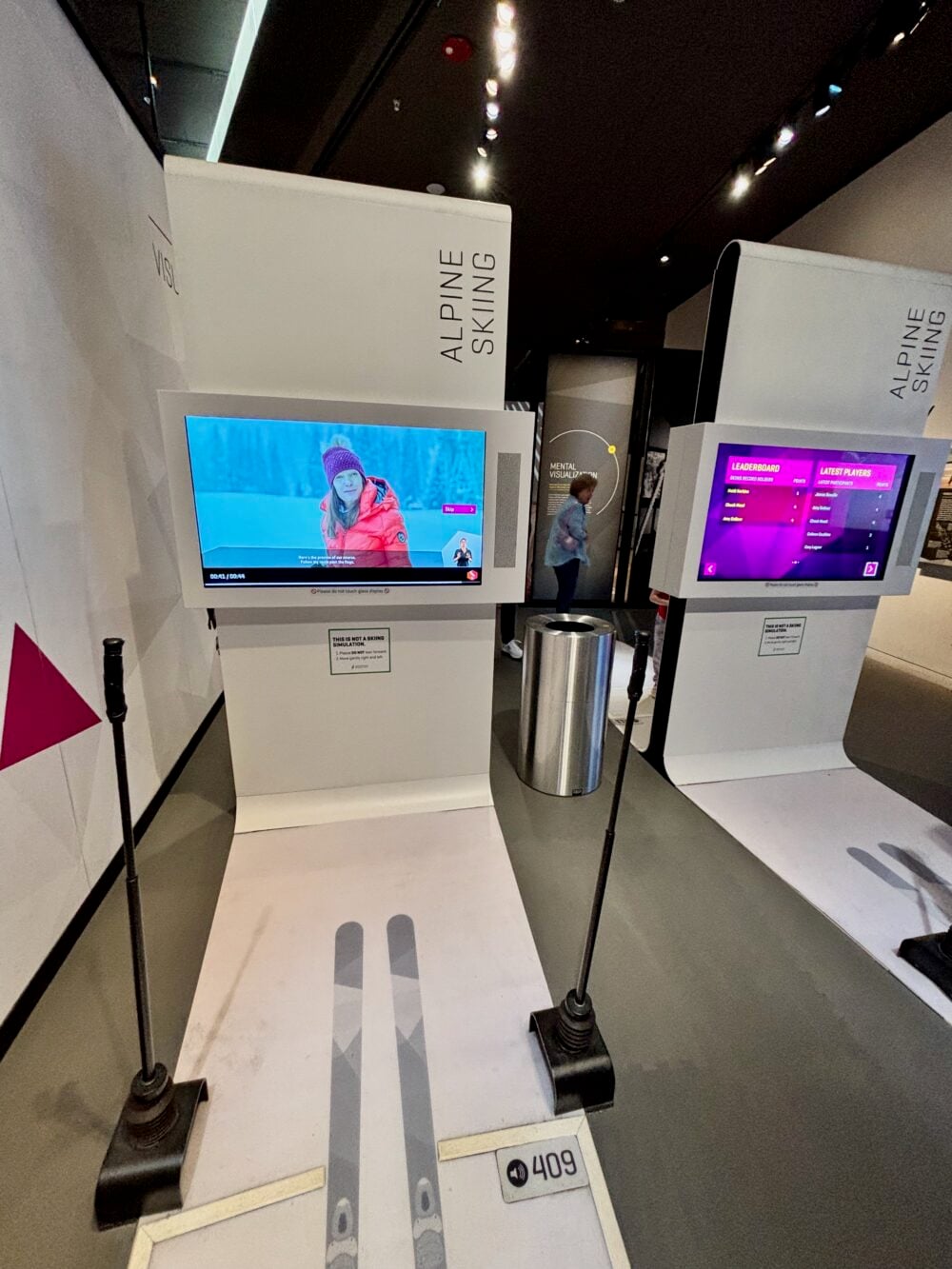
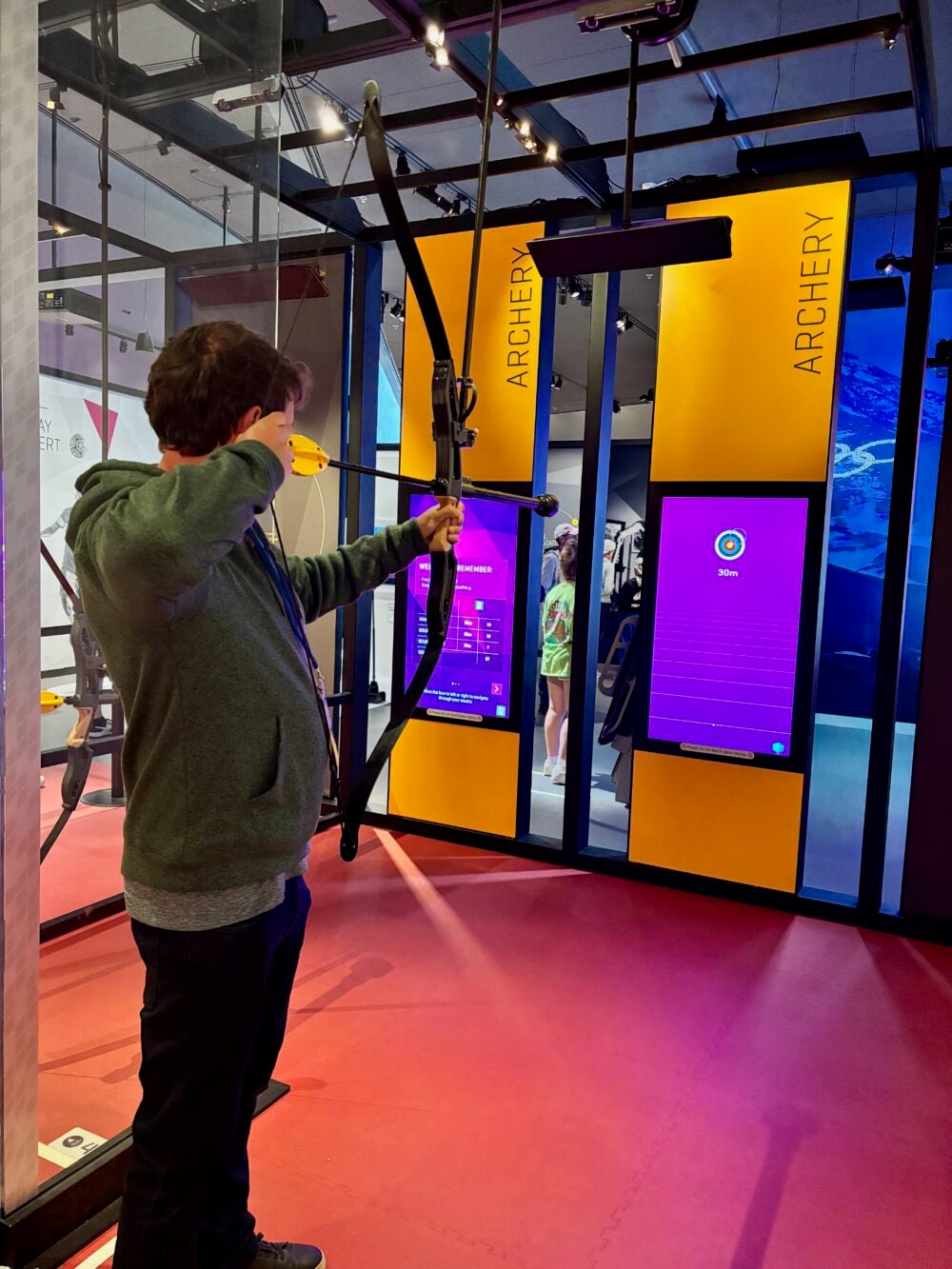
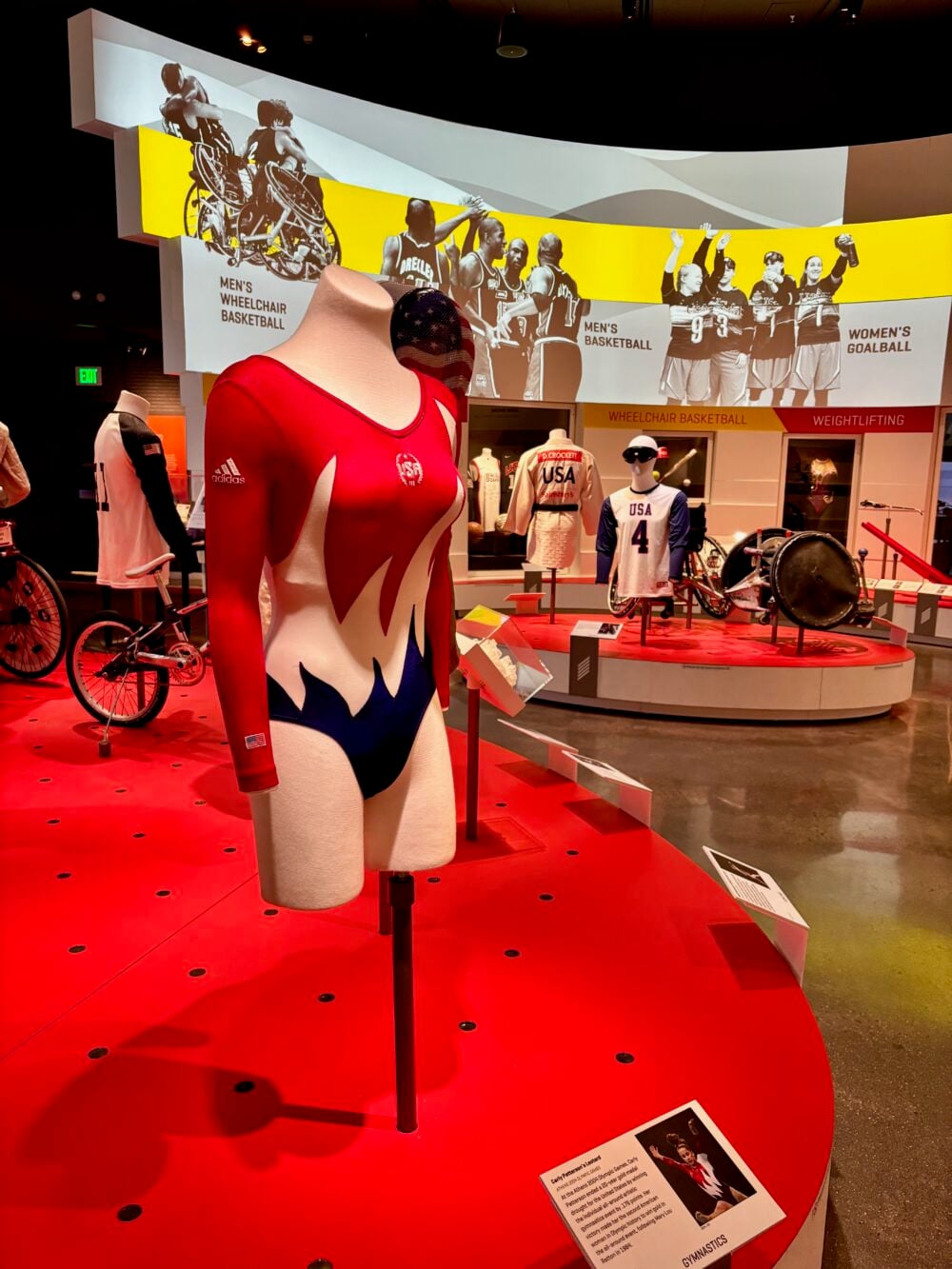
If you have heavy rain like we did, then it’s well worth stopping at the United States Olympic & Paralympic Museum if that’s your kind of thing. It’s a fully interactive experience and such fun. We loved our morning here whilst we waited for the rain to clear up!
Tickets are $23.95 per adult and $13.95 for children aged 5-12 (0-4 are free). It’s open 10am-5pm Thursday to Monday, and closed on Tuesdays and Wednesdays.
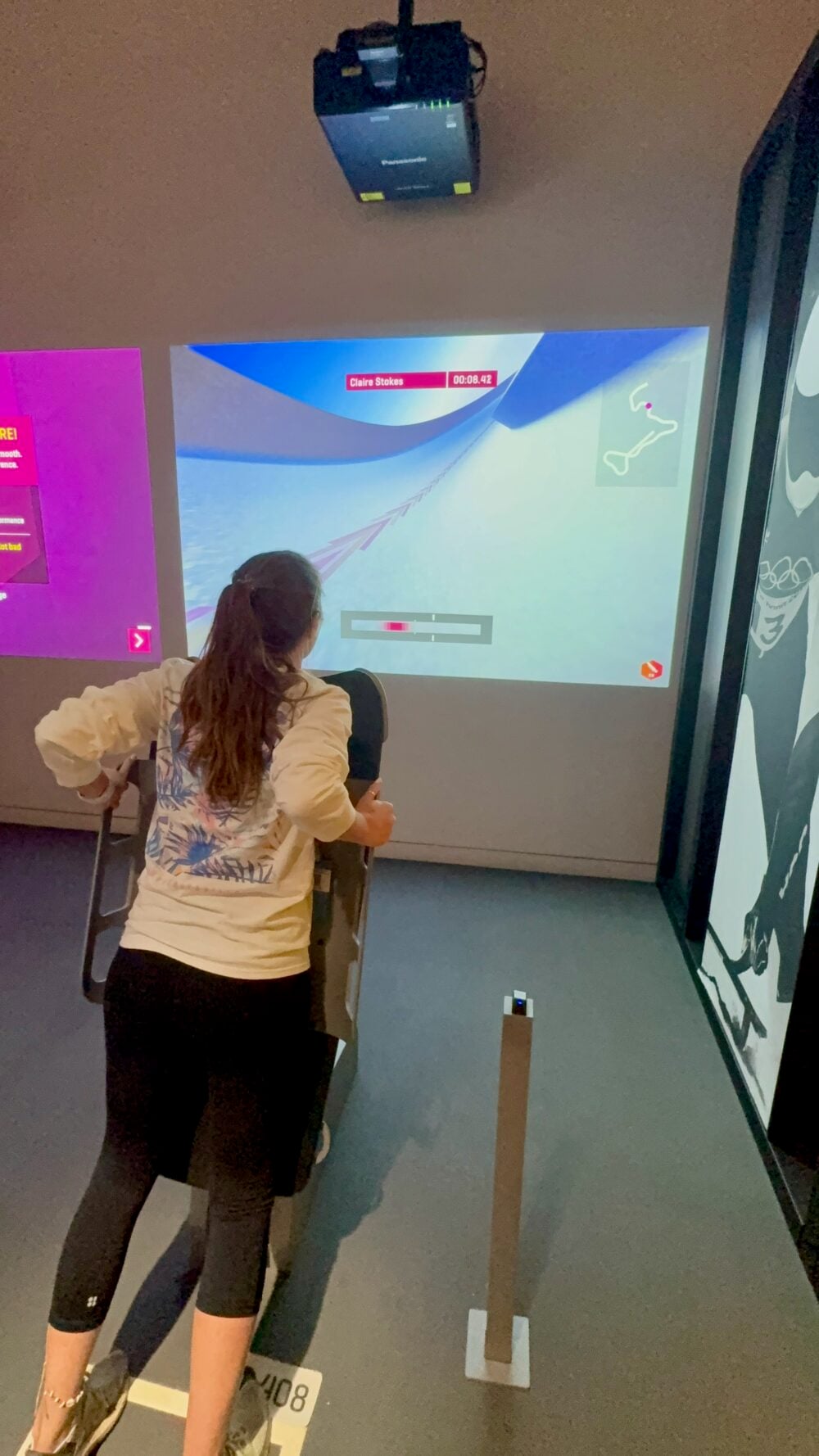
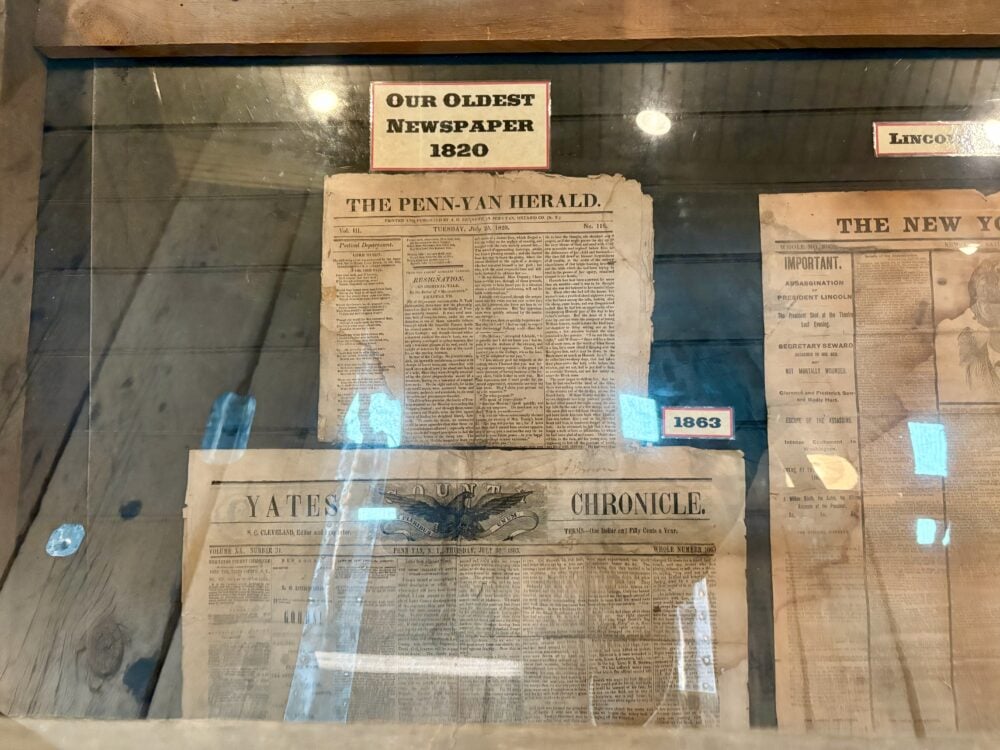
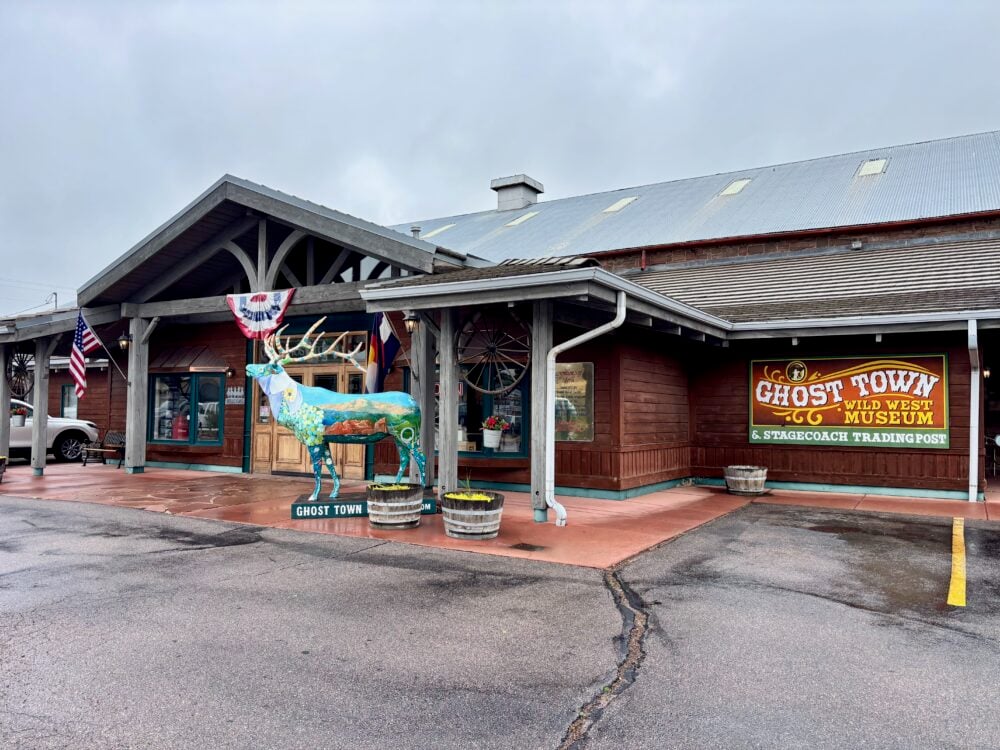
Another rainy day alternative is the Colorado Springs Pioneers Museum. Housed in the beautifully restored 1903 El Paso County Courthouse and located in downtown Colorado Springs. Entry is free (donations welcome) and it’s open Tuesday–Saturday 10am–5pm. The experience covers the region’s mining, health-resort, and Native American history, with a preserved 1900s courtroom. It’s an enjoyable easy add for your second day alongside Garden of the Gods/Manitou Springs, and a good alternative or companion to the Olympic Museum.
Where to stay, eat and drink in Colorado Springs
We did some of our best eating in this area. Especially after coming from the expense of Aspen!
Just near the Olympic Museum on S Nevada Ave is a great cafe called Loyal Coffee, which served up the best barista coffee I had on the entire road trip. It was so good.
But there’s actually dozens of brilliant places to eat and drink in Colorado Springs.
In Old Colorado City, just a few minutes drive away, we had a incredible southern BBQ dinner at a place called Front Range. It gets super busy, and you may have to wait some time for a table, but it’s well worth it. The live music was awesome too.
If you stop in Manitou Springs, which I highly recommend, then there’s dozens of great cafes and restaurants here too. We had a delicious lunch at a bistro called Toasted which was ideal after a morning of hiking around Garden of the Gods.
Budget
- Hyatt Place Colorado Springs / Garden of the Gods (doubles from £83 per night). This hotel is well located for the park, straightforward and comfortable
- Embassy Suites Colorado Springs (doubles from £94 per night). Reliable and good value, around 15 minutes from Garden of the Gods
Mid-Range
- SpringHill Suites Colorado Springs Downtown (doubles from £119 per night). A convenient, central base if you want to be close to downtown restaurants and bars
- Cheyenne Mountain Resort (doubles from £148 per night). A 4-star resort set on its own 35-acre lake, with an 18-hole golf course, indoor and outdoor pools, and a wellness spa
- The Mining Exchange, a Wyndham Grand Hotel (doubles from £180 per night). A characterful 4-star property in a beautifully restored historic downtown building, with two on-site restaurants
Luxury
- The Broadmoor (doubles from £470 per night). Colorado Springs’ most famous hotel by some distance, a grand, historic 5-star resort with multiple pools, restaurants, a spa, and its own golf courses
- Garden of the Gods Resort and Club (doubles from £240 per night). Perched right on the mesa facing the park itself, with views across the red rocks to Pikes Peak
Day 9: Back to Denver
Colorado Springs → Denver: 70 miles, ~1 hr 10 min.
Your last driving day is a short, easy one from Colorado Springs back to Denver. Return your car and spend your final night exploring the city properly before your flight home. Alternatively, use the extra time for a final wander around whichever Denver neighbourhood you didn’t get to on Day 1.
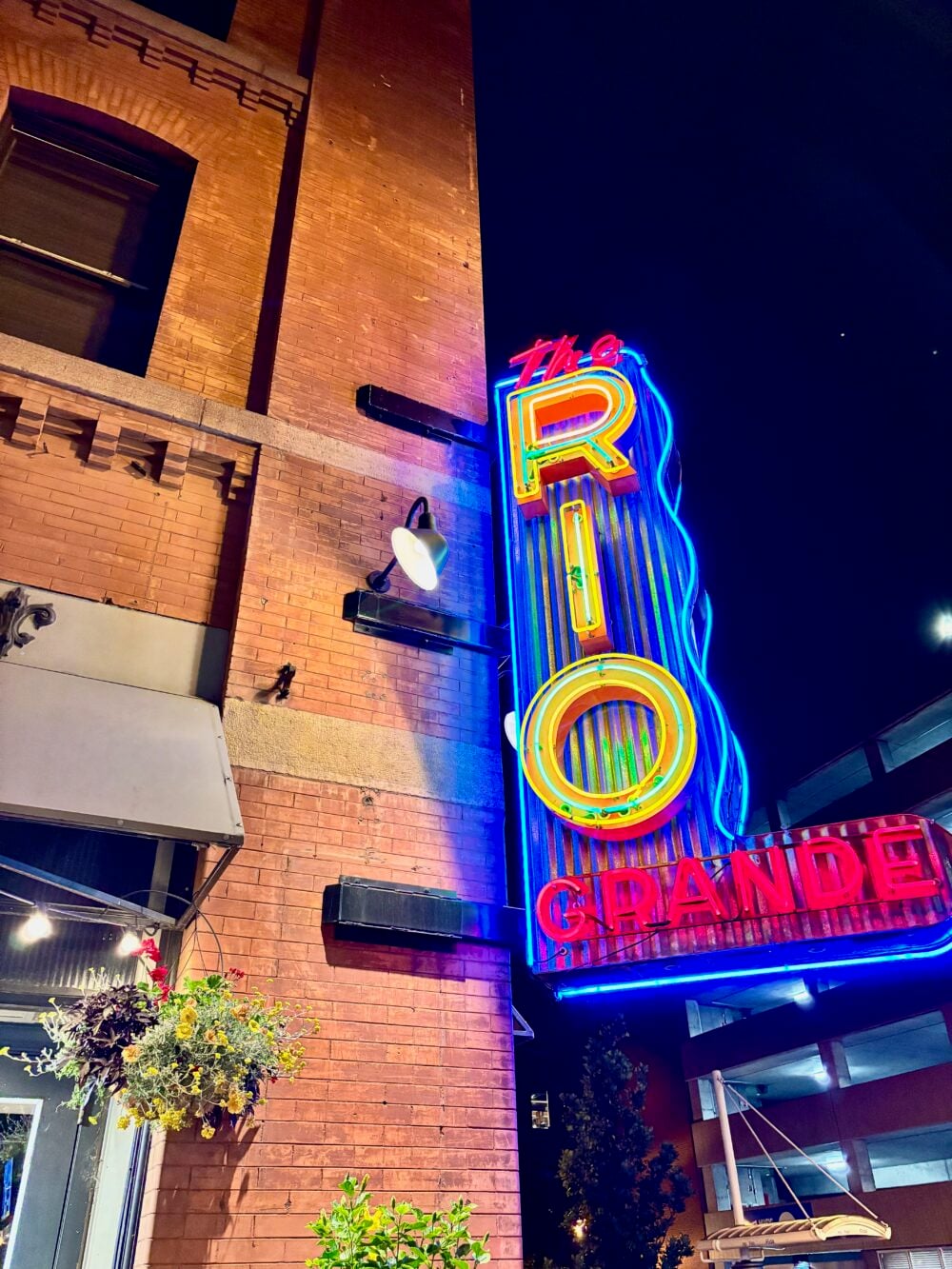
We finished our trip with dinner at Rio Grande Mexican, before nightcaps at the The Cruise Room, an iconic Denver bar located in The Oxford Bar.
Optional Add-Ons
If you have an extra day or two to build into this itinerary, here are a few worth considering:
- Boulder — around 45 minutes from Denver, this could easily be added onto Day 1 or Day 10. Known for the Pearl Street pedestrian mall, easy access to the Flatirons for a short hike, and a lively food and coffee scene, it’s a nice contrast to Denver’s bigger-city feel. There’s so many activities and awesome things to do in Boulder. Here’s my pick of the best:
- Flatirons Rock Climbing Tour with Gear (from £153 per person)
- Electric Bike Tour with Local Guide (from £78 per person)
- Guided Astronomy Tour (from £39 per person)
- Guided Yoga Hike (from £89 per person)
- Glenwood Springs — sits right on your route between Vail and Grand Junction (or Grand Junction and Carbondale), home to Hanging Lake and the Glenwood Hot Springs Pool, if you fancy breaking up the drive. Either soak in the warm waters of the springs around town, or head out onto the Colorado River and go white water rafting! (From £52 per person).
- Palisade — just outside Grand Junction, Colorado’s answer to wine country, with a cluster of vineyards and orchards worth a slow afternoon.
- Pikes Peak Cog Railway — if you don’t have time to drive up on Day 9, the cog railway is a scenic alternative and a nice thing to book ahead if you know you want to do it. You can also join a tour from Colorado Springs for this jeep adventure, if it takes your fancy (from £105 per person).
- Rocky Mountain National Park — Estes Park, the main gateway, is around an hour and a half from Denver, so it’s best tackled as an extra night or two tacked onto Day 1 or Day 10 rather than as a detour. It’s worth the effort though! Trail Ridge Road, the highest continuous paved highway in the US, climbs to over 12,000 feet through fragile alpine tundra, and the park is packed with classic Rockies hiking, from short walks to glacial lakes like Dream Lake and Emerald Lake to full-day routes.
- As with Maroon Bells, access is restricted from late May to mid-October.You’ll need timed entry reservation to enter the park between 9am and 2pm (5am–6pm if you want the popular Bear Lake Road corridor specifically), booked in advance via recreation.gov. It’s only a couple of dollars, but reservations do sell out, so book as soon as your dates are set, or simply plan to arrive before 9am or after 2pm if you’d rather not deal with the system at all. If you fancy having that all taken care of, then consider a guided tour from Denver such as this one (from £134 a person).
- Red Rocks Park & Amphitheatre — Just 15 miles west of Denver, about a 20–25 minutes’ drive is this beautiful 868-acre public park with the amphitheatre inside it. Most first-timers assume it’s purely a concert venue, but it’s actually free to enter outside of concerts. You you can walk right into the famous seating bowl, wander the visitor centre and Colorado Music Hall of Fame, and hike the surrounding red sandstone trails for nothing.
- The Trading Post Trail (1.4 miles, easy) loops right through the rock formations and past the amphitheatre itself, while the more demanding Red Rocks Trail (6 miles) climbs further out with sweeping views back towards Denver. It’s an easy half-day add-on to Day 1 or Day 10, and if your dates happen to line up with a concert, it’s without doubt one of the best venues in the world to see a show. Alternatively, join a guided tour with transfers from Denver, and a brief visit to the famous Gold Rush town of Golden too (from £74 per person).
- Moab, Utah — OK well yes this isn’t in Colorado, but from Grand Junction, visiting this stunning corner of Utah is so easy. Moab is around 110 miles / 1 hr 45 min west along I-70 then south, and it’s one of the most spectacular short detours in the American Southwest. This is home to two national parks. There is Arches National Park, famous for Delicate Arch and over 2,000 natural sandstone arches. Then there’s the quieter, wilder Canyonlands National Park, carved by the Colorado and Green Rivers.
- As of 2026, Arches no longer requires a timed entry reservation, so you can simply show up during operating hours with a valid park pass, though it’s always worth double-checking before you travel, as it could be reinstated. It’s a full-day trip at minimum from Grand Junction, so if you want to do both Arches and Canyonlands properly, it’s worth building in an overnight in Moab itself rather than trying to cram it into a day trip.
A One Week Colorado Road Trip Guide
So that concludes my detailed guide to a one week Colorado road trip, covering mountains, monuments and the Wild West. I hope it’s been helpful in planning your trip to Colorado. Or provided the inspiration to plan a road trip through this wonderful destination. We had such a fun time in Colorado, and we’d love to go back!
Make sure to check out my other US and Canada guides here:
- The Complete Oahu Travel Guide: Best Things to See and Do in Oahu, Hawaii
- 5 of the Best Easy to Moderate Hikes on Oahu, Hawaii
- Guide to the Must-See Neighbourhoods in Miami: Where to Visit in Miami
- 3 Days in Miami – An Itinerary for a Long Weekend in Miami
- Best Day Trips from Miami: 8 Awesome Excursions from Miami
- Romantic Things to Do in Miami: The Best Date Ideas in Miami
- Montréal, Canada: A Complete One Day Guide
- One Day in Québec City – A Complete Guide
Have you been to Colorado? I’d love to hear about your experience in the comments below.